What are the most effective remedies for Pitra Dosh?
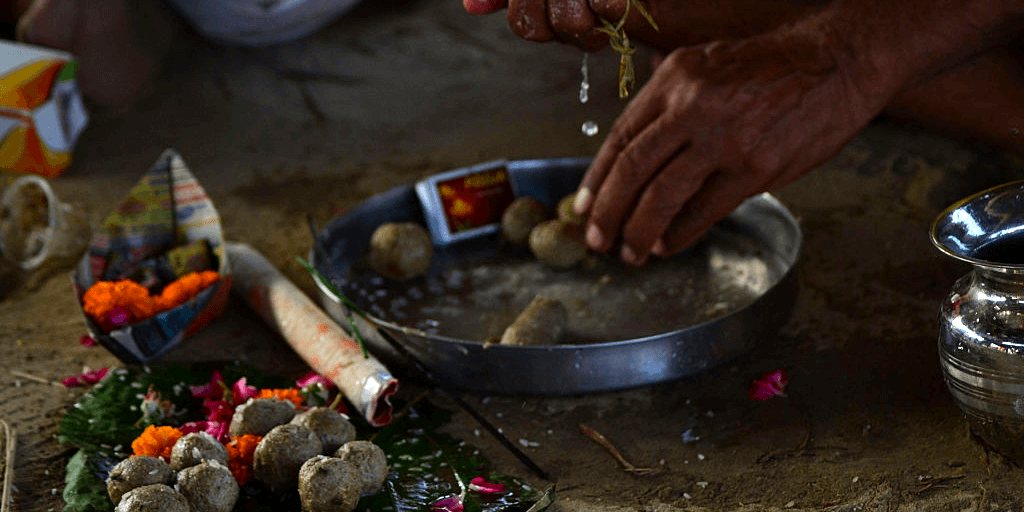
Effective remedies include performing Shraddha rituals (especially during Pitra Paksha), Pind Daan (offering rice balls), Tarpan (offering water and sesame seeds), Pitra Dosh Nivaran Puja, Narayan Bali Puja, Tripindi Shraddha, feeding Brahmins, donating food/clothes to the needy (especially on Amavasya), worshipping Lord Vishnu or Lord Shiva, chanting specific mantras (like Pitra Gayatri Mantra or Maha […]
Are there different types or levels of severity of Pitra Dosh?
Yes, the severity and specific effects of Pitra Dosh can vary depending on the exact planetary combinations causing it in the horoscope. Some astrological configurations are considered more severe than others. Astrologers analyze the chart to determine the intensity.
Can auspicious events like weddings or housewarming ceremonies be held during Pitru Paksha?
No, auspicious ceremonies like weddings, engagements, housewarmings (Griha Pravesh), inaugurations, or significant purchases are generally not conducted during Pitru Paksha. It is considered a period for remembrance, solemnity, and spiritual duty towards ancestors, not for celebrations or new beginnings.
What are the spiritual benefits for ancestors and descendants from observing Pitru Paksha?
For ancestors, observing Pitru Paksha is believed to provide their souls with nourishment, peace, and help in their onward journey, potentially leading towards liberation (moksha). For descendants, performing these duties brings blessings from ancestors for health, prosperity, longevity, progeny, and overall well-being, while also alleviating Pitru Dosha.
Do the rituals and customs of Pitru Paksha vary across different regions of India?
Yes, while the core concept of honouring ancestors during Pitru Paksha is pan-Hindu, specific rituals, food items offered (like specific vegetables or grains), timings, and customs can vary significantly based on regional traditions, community practices, and family lineage (gotra).
What is the importance of Sarva Pitri Amavasya the last day of Pitru Paksha?
Sarva Pitri Amavasya (or Mahalaya Amavasya) is the most significant day of Pitru Paksha. Shraddha can be performed on this day for all ancestors collectively, especially for those whose exact date (tithi) of death is unknown or whose Sradha was missed on their specific tithi during the fortnight. It’s a final opportunity to ensure all […]
Is it permissible to cut hair or nails during Pitru Paksha?
Traditionally, cutting hair, shaving, and cutting nails are avoided during the Pitru Paksha period. This is observed as a sign of mourning, respect, and focus on spiritual duties rather than personal grooming
What food items should be strictly avoided during Pitru Paksha?
Foods strictly avoided during Pitru Paksha include non-vegetarian items (meat, fish, eggs), onion, garlic, masoor dal (red lentils), hing (asafoetida), certain grains depending on tradition, processed foods, and stale food. Alcohol and tobacco are also prohibited
Are there specific mantras chanted during Pitru Paksha rituals?
Yes, specific Vedic mantras are chanted during Tarpan and Pind Daan rituals in Pitru Paksha. These mantras invoke the ancestors, request them to accept the offerings, and pray for their peace and liberation. Mantras often vary based on the specific ritual and family tradition. Consulting a priest or prayer book is recommended for correct pronunciation […]
Can one travel during Pitru Paksha?
While not strictly forbidden, unnecessary travel is often avoided during Pitru Paksha, especially if it interferes with performing the required Shraddha rituals on the specific tithi. The focus is meant to be on spiritual duties at home. Essential travel is generally permissible