Shradh

Shradh

4.8 (2,263+ families) ·Since 2019
✓ Verified Pandits 📹 Video Proof 🕉 Vedic Vidhi 📦 All Samagri Included

About Shradh

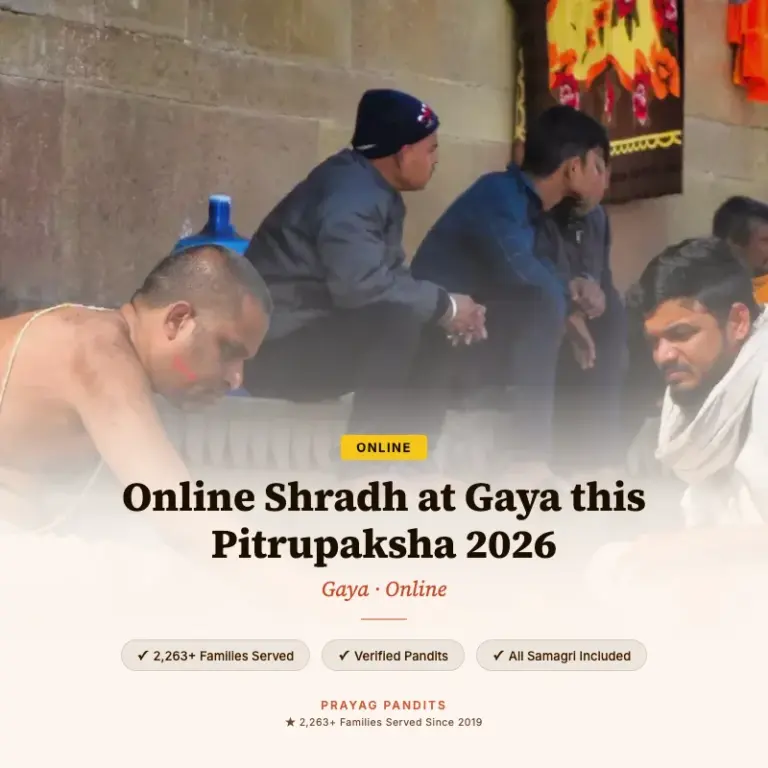
Shradh is the annual ceremony through which we remember, honor, and nourish our departed ancestors. Every year during Pitrupaksha, and also on the death anniversary (tithi) of the departed, families perform Shradh to fulfill their sacred duty to the pitrus — the ancestors who gave us life, shaped our lineage, and now reside in the subtle realms, depending on our offerings for their continued peace and progress.

The word shradh comes from shraddha, meaning faith. It is an act performed not out of fear or obligation alone, but out of genuine love and gratitude for those who came before us.

The Four Main Types of Shradh

Parvana Shradh

The most commonly performed Shradh. Done on the death anniversary (tithi) of the departed, or during Pitrupaksha on the tithi of the death. Parvana Shradh involves pind daan, tarpan, and Brahmin bhoj. It is the standard annual ceremony most families observe.

Ekoddishta Shradh

Performed specifically for one recently departed individual, usually during the first year after death. Ekoddishta Shradh is done monthly on the tithi of death and then annually thereafter. It uses a single pind rather than three, as the ceremony is directed at a specific soul rather than all ancestors.

Tripindi Shradh

Tripindi Shradh is performed when ancestral rites have been neglected for three or more years, or when the family is experiencing unusual difficulties that may indicate pitru dosha. In this ceremony, pind is offered to three generations of ancestors simultaneously. Varanasi and Gaya are the most auspicious locations for Tripindi Shradh.

Sapindi Shradh

Performed on the completion of one year after death, during the Dwadashaha ceremony. Sapindi Shradh marks the formal transition of the soul from preta status (newly departed) to the pitru loka. After this ritual, the monthly Ekoddishta Shradh can be discontinued and the annual Parvana Shradh observed instead.

When to Perform Shradh

The most auspicious time for Shradh is during Pitrupaksha — the 16-day period in the Hindu calendar when the sun enters Virgo (Kanya Rashi). During this fortnight, the pitrus are believed to come closer to the earthly realm, making offerings especially effective.

In 2026, Pitrupaksha runs from September 26 (Purnima) to October 10 (Sarva Pitru Amavasya). The Sarva Pitru Amavasya on October 10 is the most important day — on this day, Shradh can be performed for any ancestor regardless of their tithi.

Outside of Pitrupaksha, Shradh is performed on the death anniversary (tithi), on Amavasya (every new moon day), and on the days of solar or lunar eclipses.

Cities Where We Perform Shradh

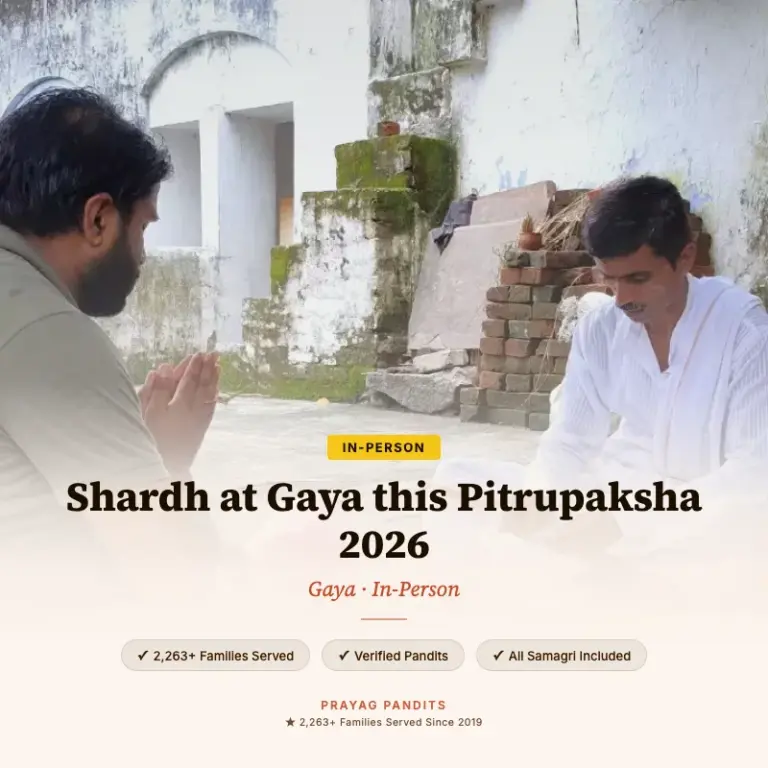
  • Shradh in Gaya — Starting ₹7,100. Gaya is described in the Vayu Purana as the supreme teertha for pitru rites. Shradh here, especially at the Vishnupad temple and Falgu River, is said to grant liberation to all ancestors.
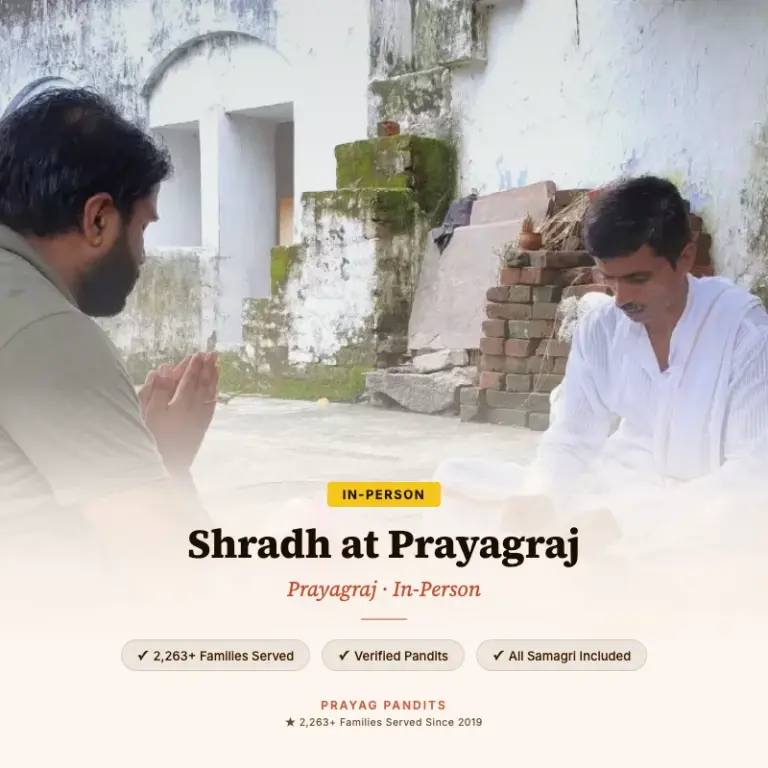
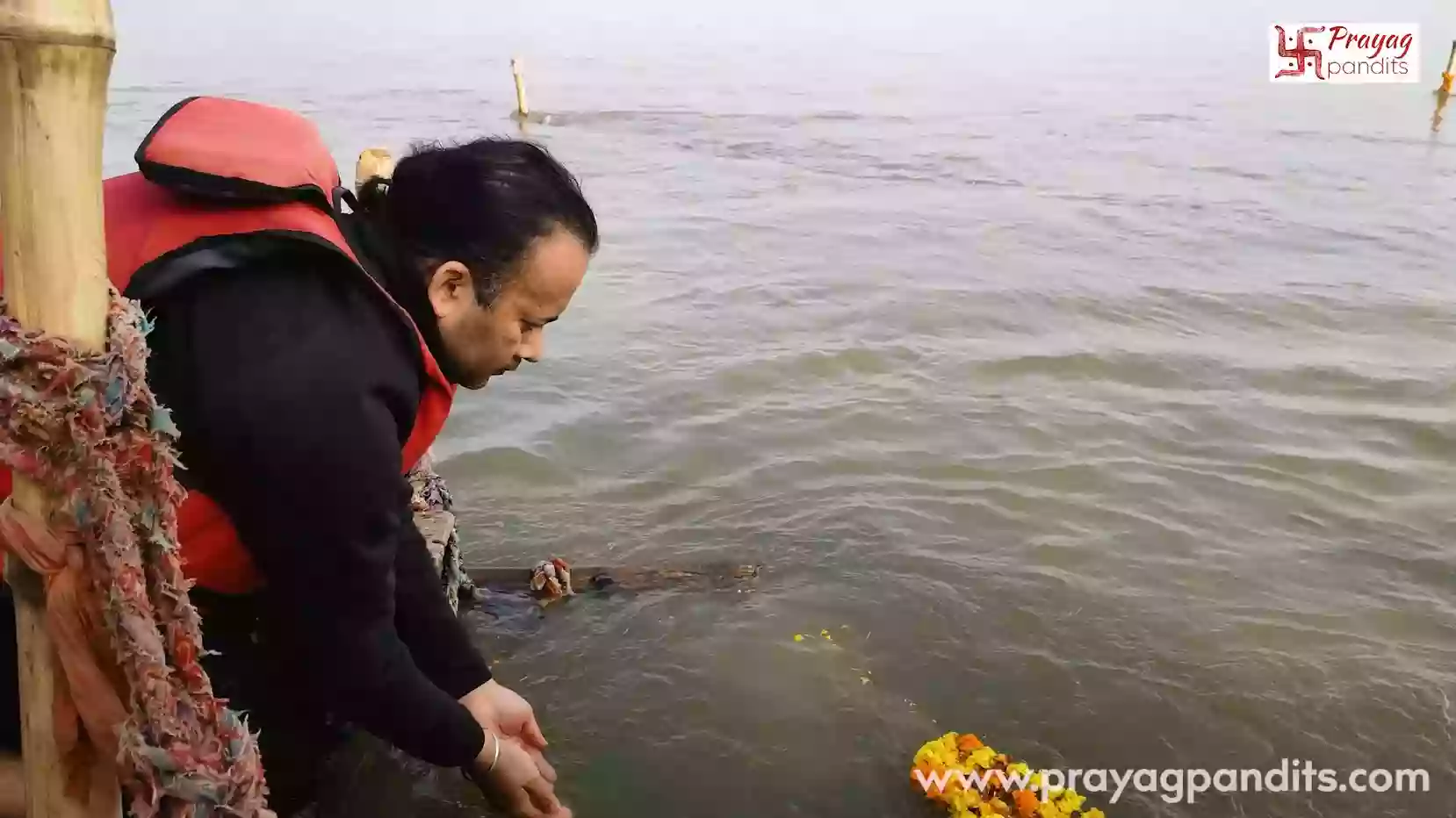
  • Shradh in Prayagraj — Starting ₹7,100. At the Triveni Sangam, Prayagraj is considered the second most important teertha for pitru rites. The confluence of three rivers amplifies the merit of the offering.
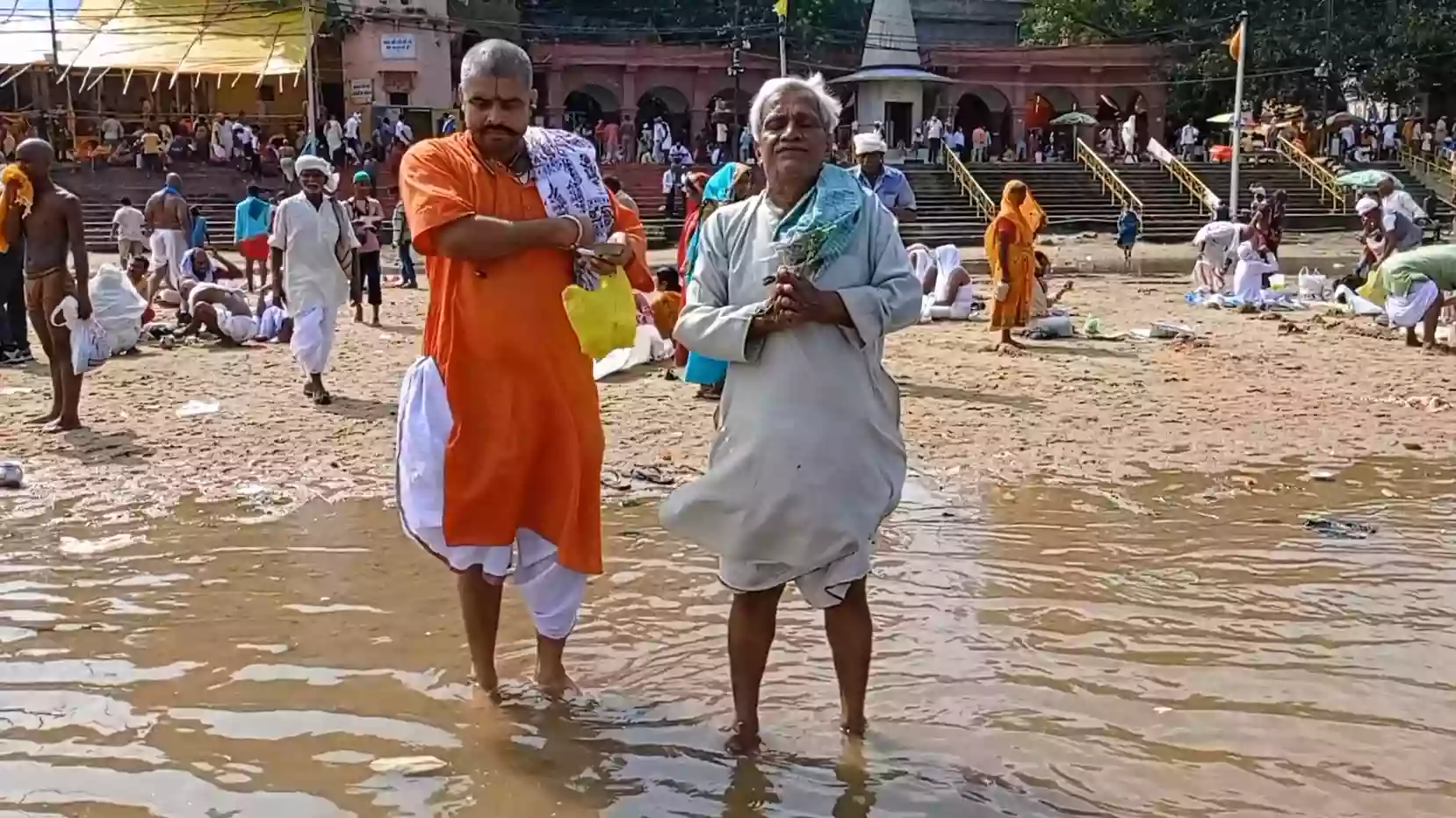
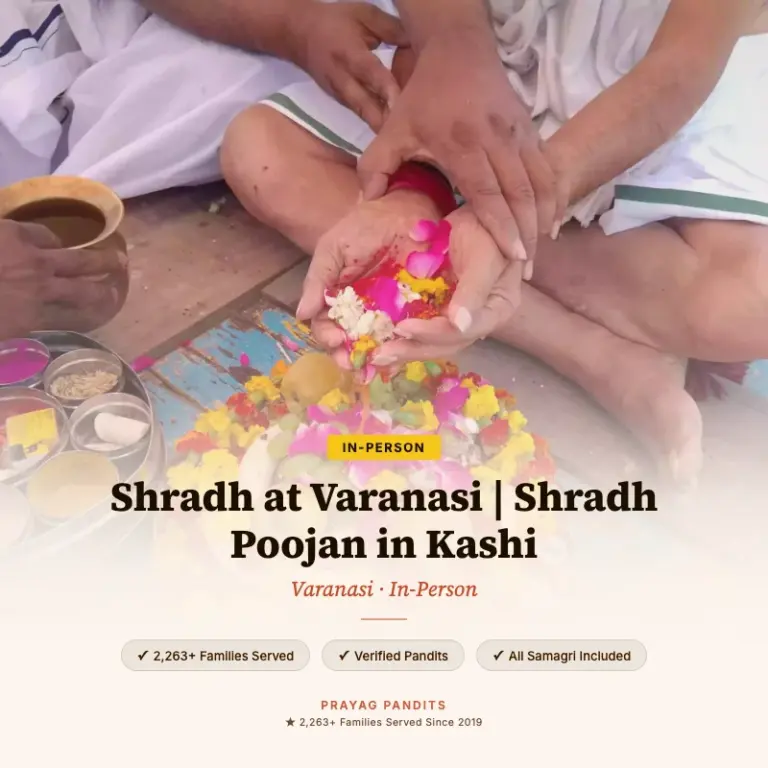
  • Shradh in Varanasi — Starting ₹10,999. In Kashi, Shradh performed at the ghats — especially Pishach Mochan Kund and Manikarnika — is exceptionally powerful for souls who died in any circumstances.
  • Shradh in Haridwar — Starting ₹5,100. Haridwar offers a accessible and deeply sacred option, especially popular for families from North India.
  • Shradh in Garh Mukteshwar — Starting ₹7,100. The ancient Ganga teertha in western Uttar Pradesh, significant for families from Delhi, Meerut, and surrounding areas.

What Is Included in Our Shradh Service

  • A learned Vedic pandit specializing in pitru karma
  • Complete puja samagri — rice, til (sesame), kusha grass, flowers, milk, ghee, honey
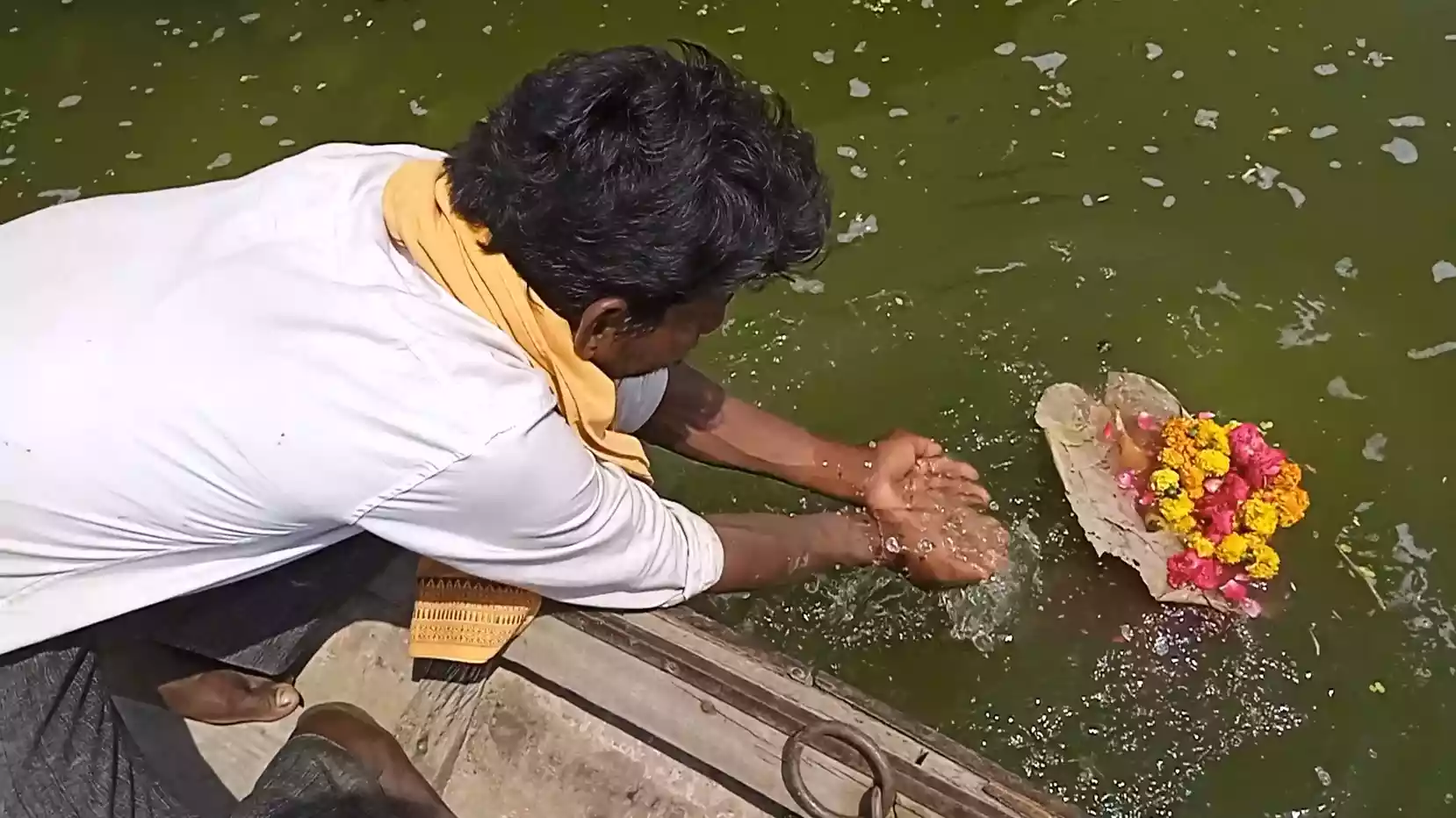
  • Pind Daan and Tarpan with correct mantras
  • Brahmin bhoj arrangements (where applicable)
  • Cow feeding, if requested
  • Detailed guidance on what to observe during and after the ceremony
  • Photos of the ritual for your records

Can Shradh Be Done Remotely?

Yes. For families who cannot travel — particularly NRIs and those living far from sacred teerthas — we offer remote Shradh on your behalf. You participate via video call while our pandit performs the ritual at the sacred location. After the ceremony, you receive photos and a ceremony summary.

Many families who first used this service out of necessity later told us it was equally moving and meaningful. The ritual's power comes from the intention and faith behind it, not just physical presence.

Book Shradh

To arrange Shradh for your ancestors, call or WhatsApp us at +91 7754097777. Please share the name and gotra of the departed, the preferred city, and the tithi (if known). Our pandit will guide you on timing and all other details.

Book Shradh — Talk to a Pandit

What's Included

Experienced Vedic Pandit
All Puja Samagri & Materials
Complete Ceremony Video
Digital Puja Certificate
Travel to the city
Hotel / Accommodation

How It Works

1

Book & Confirm

Select your package and complete booking. Our team calls within 2 hours to confirm details.

2

Share Family Details

Provide your gotra, departed soul's name, and any special requirements.

3

Ceremony Performed

Experienced pandit performs the complete ceremony at the sacred site.

4

Video & Certificate

Full ceremony video on WhatsApp within 24 hours. Digital certificate shared via email.

Choose Your Package

Frequently Asked Questions

What is Shradh and why is it performed?

Shradhis a sacred Hindu ritual performed with reverence ('Shradh') to pay homage to one's departed ancestors ('Pitrus'). It involves offering food (like Pindas - rice balls) and water (Tarpan) to satisfy their souls, ensuring their well-being in the afterlife, seeking their blessings, and freeing them from any lingering earthly attachments to facilitate their journey towards Moksha (liberation).

What are the main types of Shradh Karma?

Shradh is classified into several types based on timing and purpose. Nitya Shradh is performed daily through simple Tarpan or food offerings. Naimittika Shradh covers occasion-specific rites like the annual death anniversary (Tithi) Shradh and Mahalaya Shradh during Pitru Paksha. Kamya Shradh is performed to fulfill specific desires such as progeny or prosperity. Parvana Shradh is the collective ancestral rite done on Amavasya and during Pitru Paksha, involving Pinda Daan for three generations.

Which is the best place to perform Shradh Karm?

The scriptures identify several Teerth Sthals (sacred pilgrimage sites) as especially potent for Shradh. Gaya (Bihar) is considered the most powerful — performing Pind Daan here is believed to grant Moksha to ancestors across multiple generations. Prayagraj (Triveni Sangam) is the second most important, where the confluence of the Ganga, Yamuna, and Saraswati amplifies the ritual's efficacy. Other important locations include Varanasi (Kashi), Nashik, Rameshwaram, and Haridwar. Prayag Pandits offers expert guidance for Shradh and Pind Daan at Prayagraj — starting from ₹2,100.

When should Shradh be performed — what are the auspicious timings?

Shradh should ideally be performed on the death anniversary Tithi (lunar date) of the ancestor each year. The most significant collective period is Pitru Paksha (16 days in the Hindu month of Bhadrapada, typically September), when all ancestors can be honored simultaneously. Amavasya (New Moon day) each month is also a preferred time. Additionally, solar eclipses, Akshaya Tritiya, Makar Sankranti, and specific Nakshatras like Krittika and Rohini are auspicious for Shradh. Performing Shradh in the afternoon (Kutup and Rohina Muhurtas) is traditionally prescribed.

Can Shradh be performed without a pandit, and is online booking possible?

While simple Tarpan (water offering with sesame seeds) can be done independently during one's daily bath, formal Shradh rituals — especially Parvana Shradh, Ekodishta Shradh, and Pind Daan at sacred sites — require an experienced Vedic Pandit to ensure correct mantra pronunciation, proper procedure (Vidhi), and appropriate timings. Prayag Pandits provides qualified, traditional Purohits for Shradh ceremonies at Prayagraj, with a video call option available for NRIs who cannot be present in person. Bookings can be made online starting from ₹2,100.

What is the difference between Pind Daan, Tarpan, and Shraddh?
  • Pind Daan: The offering of rice balls (Pindas) to the soul to help it attain peace and liberation.
  • Tarpan: The act of offering water mixed with sesame, barley, and darbha grass to appease the ancestors.
  • Shraddh: A complete ritual that includes both Pind Daan and Tarpan, along with feeding Brahmins and giving charity.
  • All three are interconnected but distinct, with Pind Daan being the most crucial step for Moksha.
What happens if Shradh is not performed for ancestors?

Performing Shradh is a sacred duty (Pitru Runa - debt to ancestors). Failing to perform these rites, especially if one is capable, can leave the ancestors' souls unsatisfied.

It is believed that unsatisfied Pitrus may linger between realms and might cause disturbances or obstacles (known as Pitru Dosh) in the lives of their descendants. These can manifest as health problems, financial difficulties, delays in marriage or childbirth, lack of peace in the family, or recurring negative patterns.

Performing Shradh helps provide peace (Shanti) and energy (Gati) to the ancestors, liberating them and, in turn, securing their blessings for the prosperity, health, and well-being of the family. It clears the path for both the ancestors and the descendants

Why is Snan mandatory before performing Pind Daan, Tarpan, and Shraddha?

Before any ancestral ritual (Pitri Karma), the performer must purify themselves through Snan — ideally at a sacred river or at minimum with Ganga Jal at home. Scriptures state that the spiritual efficacy of Pind Daan, Tarpan, or Shraddha is directly proportional to the purity of the performer. An unpurified performer's offerings are considered incomplete and may not reach the ancestors. The ritual sequence is strict: (1) Pre-dawn awakening, (2) Ganga Snan or equivalent sacred bath, (3) Sandhya Vandanam (daily prayers), (4) Gotra invocation, (5) Sankalpa, (6) The actual Pind Daan or Tarpan. At Prayagraj, Varanasi, and Haridwar, our pandits guide families through the complete pre-ritual Snan protocol at the sacred ghats before proceeding to the ancestral offerings.

From₹7,100
Book Now

Need Help Planning?

Share your details and our team will guide you within 10 minutes on WhatsApp.

We reply within 10 minutes on WhatsApp • 2,263+ families served • No spam

Your Booking

🙏 Add ₹0 more for priority scheduling

No rituals selected yet.

Browse Pooja Packages →
Need help booking? Chat with us on WhatsApp