What is the ultimate belief about ancestors after Tarpan at Brahmakapal?

The ultimate belief, strongly emphasized in Puranas and local traditions, is that performing Tarpan and Shraddha at Brahmakapal grants final and permanent liberation (Moksha) to the ancestors. It is said that once rituals are performed here with faith, the ancestors are fully satisfied and freed from the cycle of birth and death, reaching the highest […]

Can Tarpan be performed at Brahmakapal for ancestors who died unnatural deaths?

Yes, Brahmakapal is considered a particularly powerful place for performing rituals, including Tarpan and Pind Daan, for ancestors who suffered untimely or unnatural deaths (Akal Mrityu) or whose souls might be restless. It is believed that performing Shraddha at Brahmakapal grants peace and liberation even to such souls, freeing them from negative states or realms […]

What preparations should I make before coming to Badrinath for Tarpan?

Plan your travel during the accessible months (May-Oct/Nov). Book travel and accommodation in advance, especially during peak season. Mentally prepare for the solemn ritual. Gather details of ancestors (names, gotra if known) for whom Tarpan is intended. Pack appropriate clothing (white dhoti for men, simple traditional wear). Be prepared for the cold climate, even in […]

There are accommodation options near Brahmakapal Badrinath Temple?

Yes, Badrinath town offers a wide range of accommodation options catering to pilgrims. There are numerous hotels, guesthouses, lodges, and ashrams located very close to the Badrinath Temple and consequently near Brahmakapal. Options range from basic budget stays to more comfortable hotels. Booking accommodation in advance is highly recommended, particularly during the peak pilgrimage season […]

How do I reach Brahmakapal within Badrinath?

Brahmakapal is easily accessible within Badrinath town. It is located just about 200-300 meters north of the main Badrinath Temple, on the banks of the Alaknanda River. You can reach it by a short walk from the temple complex. Follow the pathways along the riverbank heading north (left, if facing the temple entrance). Its proximity […]

What other rituals are often performed along with Tarpan at Brahmakapal?

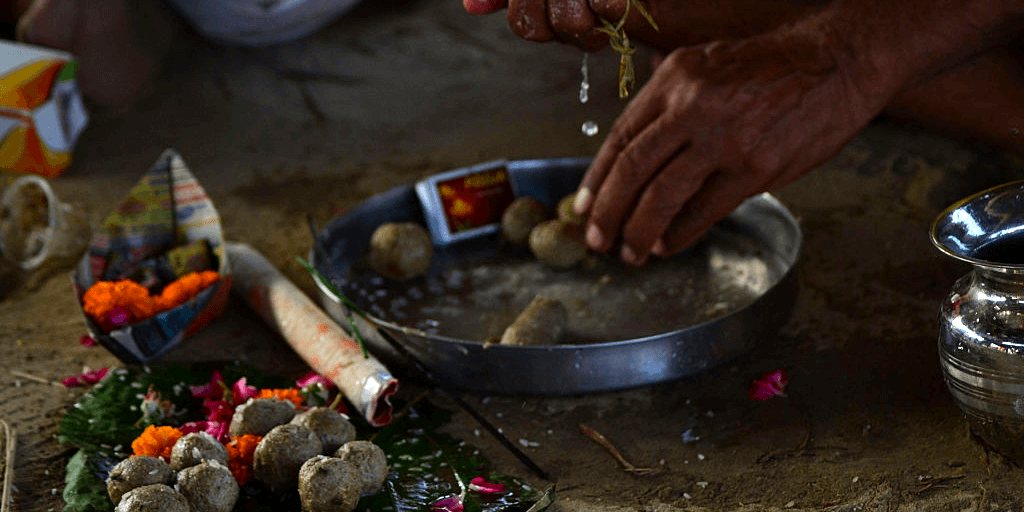
Tarpan is very often performed as part of the larger Shraddha ceremony, which prominently includes Pind Daan (offering rice balls) at Brahmakapal. Other associated rituals might include Brahmin Bhojan (feeding priests), Gau Daan (cow donation, symbolic or actual), Vastra Daan (clothes donation), and reciting prayers like the Pitru Gayatri Mantra. Performing the complete Shraddha sequence, […]

Is prior booking required for Pandits or the ritual space at Brahmakapal?

While Brahmakapal is an open ghat, booking a Pandit in advance is advisable, especially during peak seasons like Pitru Paksha or the main Yatra months (May-June, Sep-Oct). This ensures you have a dedicated priest and avoids waiting times. You can book through online platforms specializing in pilgrimage services, hotel references, or by contacting known priests […]

What is the significance of the Alaknanda River at Brahmakapal?

The Alaknanda River flowing past Brahmakapal is considered extremely sacred. Originating near Badrinath, its holy waters are believed to possess purifying powers. Offering Tarpan with Alaknanda’s water directly at Brahmakapal is thought to be highly effective in cleansing sins and granting salvation (moksha) to ancestors. Taking a dip in the river before the ritual is […]

Can women perform Tarpan at Brahmakapal?

While traditionally the eldest son performs the rites, Hindu scriptures and practices in places like Badrinath are evolving. In the absence of eligible male members (son, grandson, etc.), women like daughters or wives are increasingly permitted and known to perform Tarpan and Pind Daan at Brahmakapal. It’s advisable to consult with the local Pandits at […]

Are there specific rules or dress codes for Tarpan at Brahmakapal?

Yes, purity and respect are paramount. Devotees should bathe before the ritual, often in the Tapt Kund or Alaknanda. Men traditionally wear a white dhoti (without upper cloth during the offering). Women usually wear simple, clean traditional attire like a saree. Cleanliness of body and mind is essential. Avoid leather items. Following the specific instructions […]

0

No products in the cart.