


No rituals selected yet.
Browse Pooja Packages →


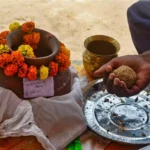
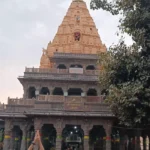
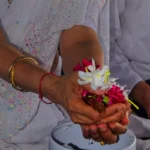
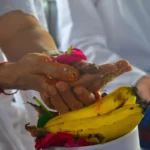
Asthi Visarjan in Ujjain
₹7,100
₹10,999
35% off
per family · all-inclusive
Verified Pandits
Since 2019
All Samagri Included
Free Cancellation
Why Families Choose Us
How It Works
1
Book & Confirm Your Date
Select your preferred date and complete the booking. Our team calls you within 2 hours to confirm details.
2
Share Family Details
Provide gotra, departed soul's name, and any requirements. Don't know your gotra? Our pandits will help.
3
Ritual Performed at Sacred Site
A Veda-trained pandit performs the complete ceremony as per shastra at the designated holy teerth.
4
Confirmation & Documentation
Booking confirmation on WhatsApp. Digital documentation available on select poojas within 48 hours.
What's Included
- Sacred Rituals Performed by Experienced Priests: Our service includes the performance of all Vedic rituals by knowledgeable and experienced priests who have been conducting Asthi Visarjan for generations.
- Complete Ritual Kit: We provide a complete kit that includes all the puja (worship) items such as holy water, flowers, sandalwood paste, and other materials required for the ceremony.
- Guided Ceremony: Our priests will guide you through each step of the ceremony, ensuring that all rituals are performed with utmost devotion and adherence to Hindu traditions.
- Accommodation Arrangements: If required, we can arrange for comfortable and convenient lodging near the ghats for you and your family.
- Additional Services: We also offer additional services such as Brahmin Bhojan (feeding the priests), additional pujas for the departed soul, and arrangements for annual remembrance rituals.
- Priest Charges
- Full Poojan Material
- Asthi Visarjan in Ghat area
- Pick and drop charges from station/airport.
- Any tip and offerrings to the helpers.
- Any extra offerings made to the pandit ji
About This Ritual
Asthi Visarjan in Ujjain — Immersion of Sacred Ashes at the Kshipra River
Among the cities where Asthi Visarjan — the immersion of a departed person's ashes or bone fragments — is performed with the deepest ceremonial significance, Ujjain stands in a class of its own. This is one of the seven sacred cities of Hindu tradition, the Sapta Puri, and it is the home of Mahakaleshwar — the Jyotirlinga of Mahakal, Shiva as the lord of time and of death itself. To consign the remains of your loved one to the Kshipra River at Ujjain is to place them in the care of Mahakal, who alone governs the passage of time and the liberation of souls.
Our Asthi Visarjan in Ujjain service is priced at ₹10,999. It is a complete, in-person ceremony performed at the Kshipra River ghats by our experienced pandit with all required samagri included.
Ujjain — The City of Mahakal and Its Sacred Standing
Ujjain, known in ancient texts as Avantika and also as Ujjayini, is one of the oldest continuously inhabited cities in India. Its sacred geography is defined by two things above all: the Mahakaleshwar Jyotirlinga, and the Kshipra River. These two together create a spiritual field of unusual power for final rites.
Mahakaleshwar is the only Jyotirlinga that is Dakshinamurti — facing south, the direction associated with Yamaraj and the realm of the dead. This orientation is not incidental. It means that of all the twelve Jyotirlinga shrines, Mahakaleshwar is the one that faces directly toward the ancestral realm. When ashes are immersed in the Kshipra River with Mahakaleshwar's blessing, they are received by a deity who faces the very direction where the soul needs to travel. This is why Ujjain is considered one of the most efficacious places in India for post-mortem rites.
The Skanda Purana describes Ujjain as a place where even the simple act of bathing in the Kshipra during auspicious periods grants liberation. For Asthi Visarjan, the combination of the Kshipra's sacred waters and Mahakal's presence amplifies the merit of the rite to a degree that few other locations can equal.
The Kshipra River — Sacred Waters for Asthi Visarjan
The Kshipra River flows through Ujjain and is the site of the Simhastha Kumbh Mela — the great Kumbh celebration that takes place here every 12 years when Jupiter enters Leo (Simha). The fact that Kumbh Mela occurs at Ujjain's Kshipra River rather than at any ordinary river is a statement about its spiritual standing: only rivers of the highest order host Kumbh. The waters of the Kshipra have absorbed the spiritual energy of millions of pilgrims, sadhus, and saints across the centuries.
For Asthi Visarjan specifically, the Kshipra at Ujjain offers a distinctive quality: the river flows in the presence of Mahakal, and the ashes immersed here are understood to enter waters that are continuously sanctified by the Jyotirlinga's proximity. The ghats along the Kshipra — particularly Ram Ghat and the Mahakal area — are the traditional sites for these rites.
What Asthi Visarjan Is and Why It Matters
After death, the Hindu tradition prescribes a sequence of post-mortem rites that collectively support the soul's transition from the body it has left to its next destination. Asthi Visarjan — literally "the immersion of the bones" — is one of the most important of these rites. After the body is cremated, the bone fragments and ash that remain are collected, typically on the third day after cremation. These are the Asthi — the physical remnants that connect the material body to the soul that inhabited it.
The immersion of the Asthi in sacred waters is the act of completing the separation of the soul from its material existence. By releasing the Asthi into a river — particularly a river of spiritual significance — the family signals to the universe, and to the soul, that the physical form is fully released. This is believed to ease the soul's passage and to prevent it from remaining attached to the physical plane out of confusion or unfinished connection.
The choice of where to perform Asthi Visarjan matters enormously. A sacred river — particularly one associated with divine oversight of death and rebirth — carries the Asthi into currents that flow toward liberation rather than simply dispersing them in ordinary water. Ujjain's Kshipra, in the shadow of Mahakaleshwar, is among the most powerful choices available.
For more on the complete Asthi Visarjan tradition and process, read our detailed guide: Asthi Visarjan Poojan — All You Need to Know.
The Ceremony Process at Kshipra Ghat
Arrival and Preparation
- You bring the Asthi (ashes/bone fragments) in a sealed container to the ghat
- Our pandit meets you at the designated ghat on the Kshipra River
- A brief preparatory ritual is performed to establish the sacred space and invoke Mahakal's presence
Sankalp
- The pandit leads the Sankalp, naming the deceased, their relationship to the main performer of the rite, the gotra, the date in the Hindu calendar, and the location
- This Sankalp is the formal declaration that associates the specific soul with the immersion about to be performed
Tarpan and Mantras
- Tarpan is offered to the soul using Kshipra River water, sesame seeds, and kusha grass
- The mantras from the Garuda Purana and the Pitru Suktam appropriate for Asthi Visarjan are recited
Asthi Visarjan
- The Asthi are placed on kusha grass and flowers, and the pandit recites the specific mantras for immersion
- The Asthi are immersed in the Kshipra River with the recitation of the final release mantras
- Flowers and other ritual items accompany the Asthi into the river as offerings
Mahakal Darshan
- After the Asthi Visarjan, our coordinator can arrange for you to visit the Mahakaleshwar temple for darshan as part of the same visit to Ujjain
- Many families find it deeply meaningful to pay their respects to Mahakal directly after the immersion, offering a prayer for the departed soul's liberation
The Simhastha Kumbh and Ujjain's Enduring Sacred Status
Every 12 years, when Jupiter enters the sign of Leo, Ujjain hosts the Simhastha Kumbh Mela — the great gathering of saints, sadhus, and pilgrims that is one of the largest religious assemblies in the world. The fact that the Kshipra River is a Kumbh tirtha means that it has been sanctified by the collective devotion of billions of pilgrims across the centuries. The spiritual residue of the Kumbh gatherings — the accumulated merit of the saints and the bathing of millions — remains in the river's waters in a way that the tradition considers permanent. Asthi Visarjan in the Kshipra draws on this accumulated sanctity.
What Is Included
- Experienced pandit trained in the Ujjain ritual tradition and the specific rites of Asthi Visarjan at Kshipra Ghat
- All samagri for the ceremony — sesame seeds, kusha grass, flowers, incense, lamp, and all ritual items required
- Sankalp in the name of the deceased and the family
- Tarpan using Kshipra River water
- Complete Asthi Visarjan ceremony with all prescribed mantras
- Assistance with Mahakaleshwar temple darshan coordination
What Is Not Included
- Travel to Ujjain — you arrange your own transport to the city
- Accommodation in Ujjain — our coordinator can suggest options near the ghat on request
- Pind Daan — this is a separate ceremony; if you wish to perform Pind Daan alongside Asthi Visarjan, please inquire about our combined service
- Mahakaleshwar special darshan tickets (these are managed by the temple trust directly)
Frequently Asked Questions
How soon after cremation should Asthi Visarjan be performed?
The traditional prescription is that Asthi should be collected on the third day after cremation and the immersion should ideally be performed within 10 days. However, the texts also recognize that families often cannot arrange travel to a sacred tirtha within this timeframe, and Asthi Visarjan performed later — including months or even years after death — is considered fully valid and beneficial. What matters most is that the rite is performed at a sacred location with proper ritual, not the speed with which it is done. Many families hold the Asthi at home until they can travel to a major tirtha like Ujjain, Haridwar, or Prayagraj for the immersion.
Is it necessary to perform Pind Daan separately, or is Asthi Visarjan sufficient?
Asthi Visarjan and Pind Daan are two distinct rites that serve different purposes, and ideally both should be performed. Asthi Visarjan releases the physical remnants and completes the separation of the soul from its material form. Pind Daan provides ongoing spiritual nourishment to the ancestor and aids in their movement through the afterlife. For a departed soul's complete post-mortem rite, both are recommended. Performing only one does not negate the other — if you have already done Asthi Visarjan elsewhere and now wish to do Pind Daan in Ujjain, or vice versa, each ceremony has its own value.
Can multiple family members' Asthi be immersed in the same ceremony?
Yes. If a family has been keeping the Asthi of multiple departed relatives and wishes to perform a single Asthi Visarjan ceremony for all of them, this is entirely possible. Each soul receives their own Sankalp within the ceremony, and each set of Asthi is immersed with the appropriate mantras. Please mention at the time of booking how many individuals' Asthi will be included so the pandit can plan the duration of the ceremony accordingly.
What should I bring to the ghat?
Bring the Asthi in a sealed, clean container — a metal urn or a cloth-wrapped packet are both traditional. Wear clean, simple clothing appropriate for a mourning ceremony — white is traditional, though other light colours are also acceptable. Our pandit brings all the ritual samagri. You do not need to purchase any separate items before arriving. If you have any specific family customs around Asthi Visarjan that differ from standard practice, please mention them when you book so our pandit can accommodate them.
Is Ujjain better for Asthi Visarjan than Haridwar or Prayagraj?
Each major tirtha for Asthi Visarjan has its own distinct spiritual quality, and the tradition does not rank them in a strict hierarchy — each is described in the texts as capable of granting liberation. What makes Ujjain distinctive is specifically the combination of the Kshipra River and Mahakaleshwar's south-facing presence. For families with a Shaiva tradition or a devotion to Mahakal in particular, Ujjain is the natural choice. For families in central India, Ujjain is also often geographically closer than Haridwar or Prayagraj. The best tirtha is often the one to which the family feels the strongest pull, and the one they can reach with genuine reverence.
What Families Say 4.4
Being abroad makes it difficult to perform these rituals in person. The online asthi visarjan option was perfect for our family. We could participate from three different countries via the…
The ceremony at Ujjain was beautiful. Early morning visarjan with proper mantras. The pandit was very experienced and conducted the poojan with great devotion. Highly satisfied. 🙏
Performed Asthi Visarjan in Ujjain through Prayag Pandits. The pandit ji was very knowledgeable and explained every step of the ritual. Very satisfied with the experience.
Booked this for my late father. Everything was arranged perfectly. The team was professional and respectful throughout.
दिल्ली से गए थे, सब कुछ पहले से arranged था। कोई परेशानी नहीं हुई।
प्रयाग पंडित्स की सेवा बहुत बढ़िया है। समय पर सब arrangements हो गए। धन्यवाद।
प्रयाग पंडित्स की सेवा बहुत बढ़िया है। समय पर सब arrangements हो गए। धन्यवाद।
Five stars for sure. The team was responsive to all our queries before and during the ceremony.
Five stars for sure. The team was responsive to all our queries before and during the ceremony.
अस्थि विसर्जन कराने के बाद पूरे परिवार को शांति मिली। प्रयाग पंडित्स ने सब कुछ बहुत अच्छे से संभाला। स्टेशन से पिकअप, घाट तक व्यवस्था, और पूजा - सब उत्तम…
Common Questions
We live outside India — can you handle everything?
Yes. Over 40% of our families are NRIs from the US, UK, Canada, Singapore, and Malaysia. We manage every detail — you just share your family information and gotra. Your physical presence is not required.
How will I know the ritual was actually performed?
You receive a booking confirmation on WhatsApp immediately. For live poojas, ritual recordings are shared within 48 hours. Digital certificates are available on select poojas upon request.
What if I don't know my gotra?
Our experienced pandits will help determine your gotra based on your family lineage. We also accept Kashyap Gotra as a universally recognized alternative in the Vedic tradition.
Can I reschedule after booking?
Yes, you can reschedule up to 48 hours before the ceremony date at no extra charge. Contact us via WhatsApp or phone and we will adjust the date immediately.
Is the price final? Any hidden charges?
The price you see is the complete price. It includes pandit fees, all puja samagri, and ritual video. No separate charges for dakshina or materials. We are GST registered (09AZAPK2937R1ZR) and provide proper tax invoices.