







Your cart is empty.
Browse Pooja Packages →
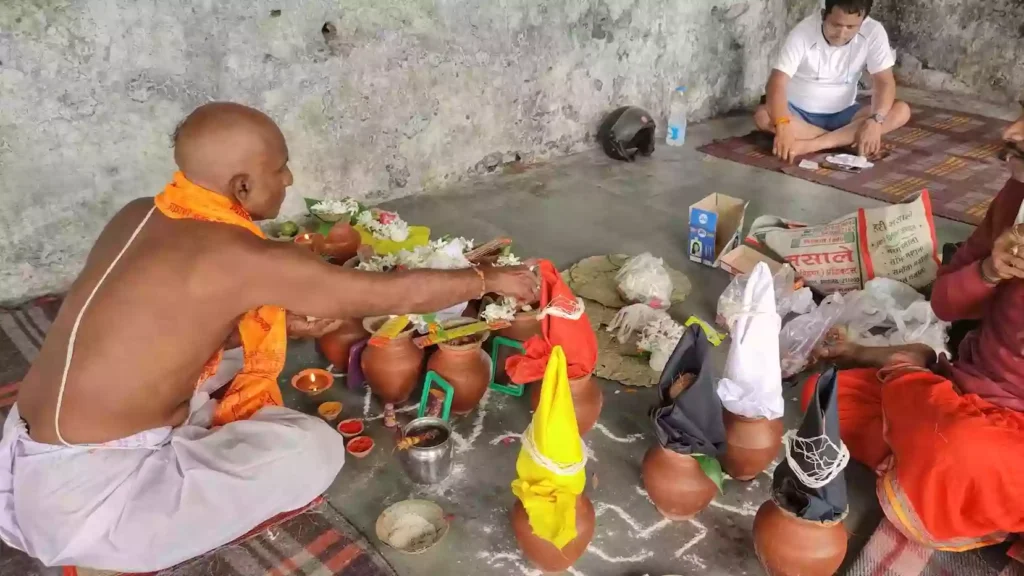
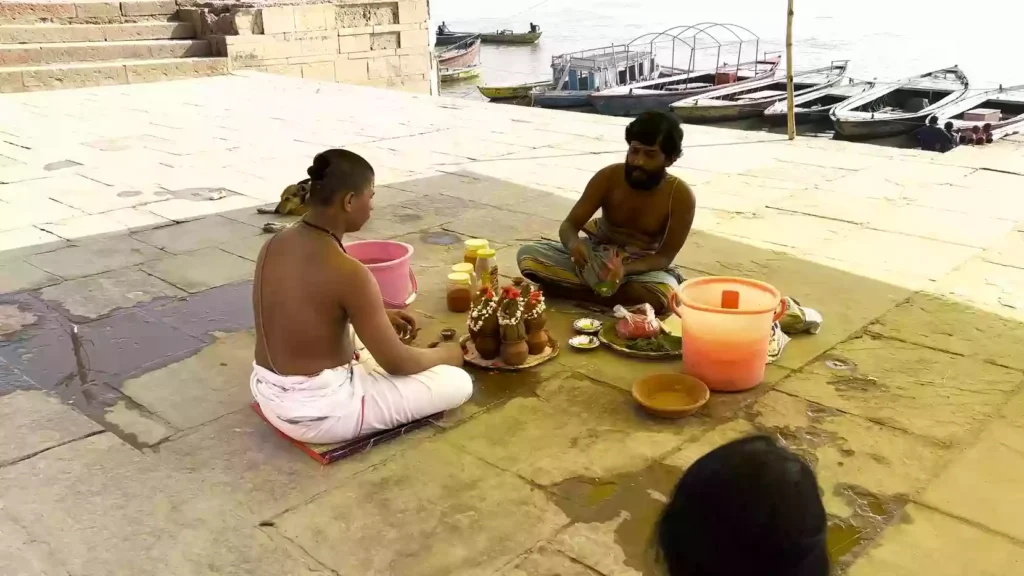
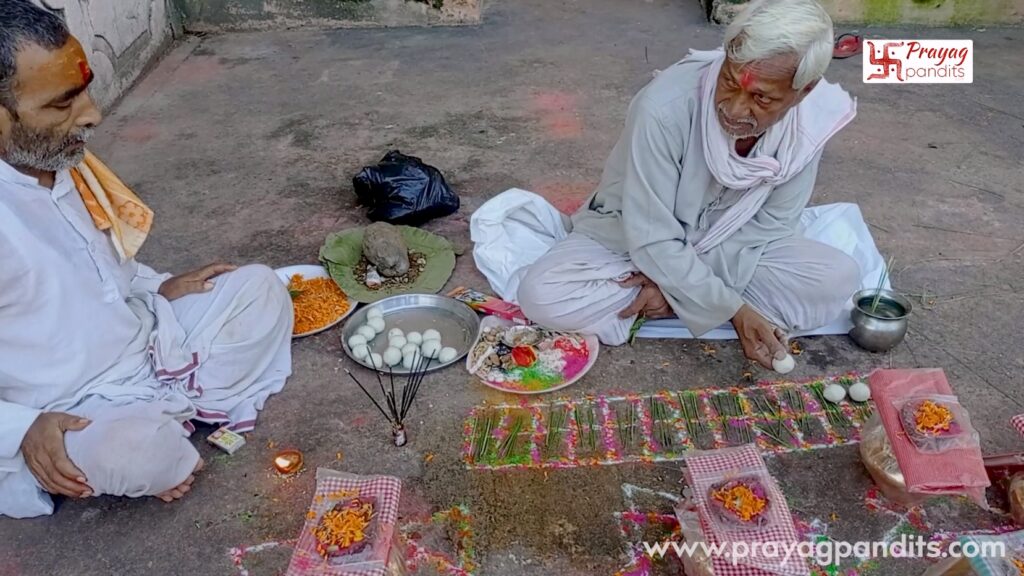
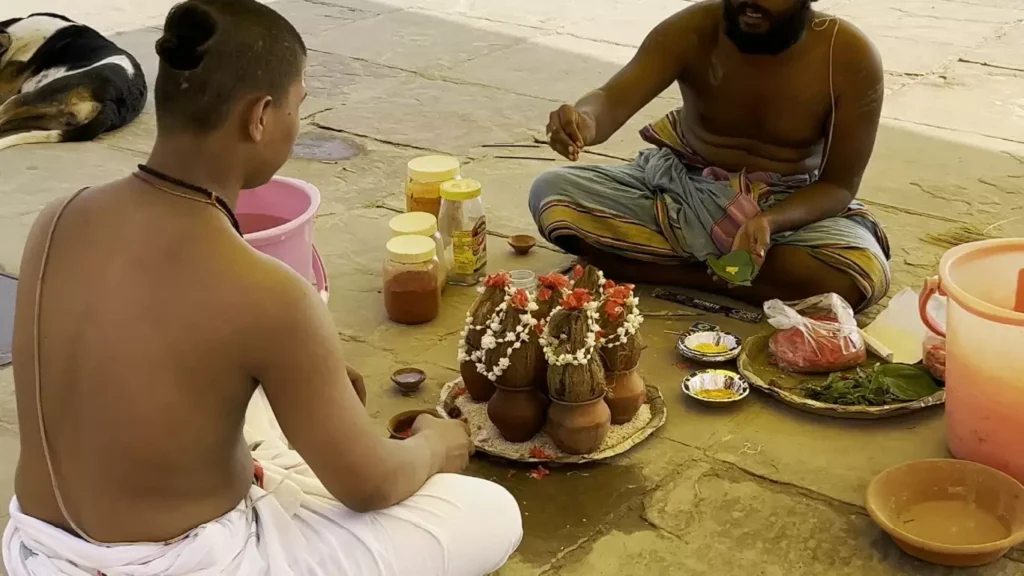
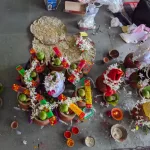
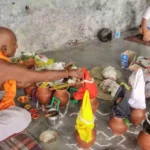
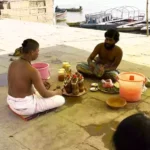
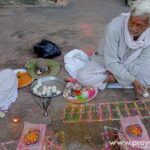
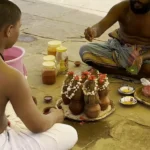
Narayan Bali Poojan in Haridwar 2026
₹31,000
₹41,000
24% off
per family · all-inclusive
Verified Pandits
Video Proof
All Samagri Included
Free Cancellation
Why Families Choose Us
How It Works
1
Book & Confirm Your Date
Select your preferred date and complete the booking. Our team calls you within 2 hours to confirm details.
2
Share Family Details
Provide gotra, departed soul's name, and any requirements. Don't know your gotra? Our pandits will help.
3
Ritual Performed at Sacred Site
A Veda-trained pandit performs the complete ceremony as per shastra at the designated holy teerth.
4
Video Proof & Certificate
Full ceremony video and photos shared on WhatsApp within 1 hour of completion.
What's Included
- Starvation
- Animals
- Accident
- Arson
- Curse
- Epidemics such as Corona virus or other diseases causing untimely death
- Suicide,
- Fall from a mountain, tree or any height,
- Drowning,
- Murder
- Snake bite,
- Lightning
- Narayan Bali Poojan in Gaya.
- Priest Charges
- Poojan Material
- Guide support
- Any extra offerings to the priest.
- Any pick and drop charges from the station/airport.
About This Ritual
Narayan Bali Poojan in Haridwar is one of the most powerful Vedic rituals performed for the peace of departed souls who left this world through an unnatural or untimely death. When you perform narayan bali poojan haridwar in person, you step onto the sacred banks of the Ganga, stand before the divine fire, and become part of a ceremony that carries your prayers directly to your ancestors. This page is for families who wish to attend the puja themselves — travelling to Haridwar, participating in each ritual personally, and walking away with the assurance that they gave their loved one every possible chance at liberation.
If you cannot travel, we also offer an Online Narayan Bali Poojan in Haridwar where we perform the ceremony on your behalf with live video. But when the family attends in person, the depth of the sankalp — and the merit accumulated — is simply on another level.
What is Narayan Bali Puja?
Narayan Bali Puja is a two-part Vedic ritual. The first part — Narayan Bali — is a symbolic funeral rite performed to give a proper send-off to a soul that left the body in an abnormal way: accident, suicide, drowning, snake bite, death in childbirth, or any circumstance where the usual last rites could not be performed fully. The second part — Nag Bali — is often combined, addressing the curse that may arise from the killing of a serpent in the family's ancestral line.
The ceremony is prescribed in the Garuda Purana, one of the eighteen Mahapuranas, which is the primary Hindu text dealing with life after death. Lord Vishnu, while speaking to Garuda (his divine vehicle), describes in detail what happens to a soul that leaves the body through akal mrityu — untimely death. Such a soul, according to the Garuda Purana, cannot move on to the higher planes. It remains bound, wandering in a state of distress, unable to receive the nourishment of Shraddha performed by the family.
The literal meaning of Narayan Bali is "an offering (bali) made to Narayana (Lord Vishnu) on behalf of the departed soul." By invoking Lord Vishnu directly into the ceremony, the family creates a divine channel for the trapped soul to receive liberation — moksha — from its state of entrapment.
This is not a ritual of fear. It is an act of profound love for someone who left too soon.
Who Needs Narayan Bali Puja?
Our pandits receive this question most often: "How do we know if our family needs this puja?" The Garuda Purana gives specific indicators. Families dealing with any of the following should seriously consider performing Narayan Bali:
When a Family Member Died Through Unnatural Means
- Road or vehicle accident — especially if the body was found late or rites were performed under difficult circumstances
- Suicide — the soul departs with unfulfilled desires and intense emotional turbulence
- Drowning or water-related death
- Death by snake, scorpion or animal bite
- Murder or violent death
- Death during pregnancy or childbirth — either the mother or the child
- Death of a child before the age of completing all samskaras
- Death in a foreign land where proper Hindu rites could not be performed
- Missing persons who are presumed dead but no body was recovered
- Death while the person had major unfulfilled wishes or vows
When Families Experience These Ongoing Problems
The Garuda Purana also describes patterns that indicate a wandering pitru is affecting the family's wellbeing:
- Repeated unexplained illnesses that do not respond well to treatment
- Business failures or financial losses despite sincere effort
- Broken marriages, relationship problems, or difficulty finding suitable partners across multiple family members
- Disturbing dreams — seeing a deceased family member in distress, calling for help, appearing hungry or dishevelled
- Children in the family facing repeated obstacles in education or career without clear reason
- A persistent sense of negative energy or heaviness in the household
- Mental health struggles in the family that appear generational
If you recognize these patterns and know that someone in your ancestral line died an unnatural death, Narayan Bali Poojan in Haridwar is the appropriate remedy prescribed by our scriptures.
Why Perform Narayan Bali at Haridwar?
Haridwar — whose name means "Gateway to Hari (Vishnu)" — sits at the point where the Ganga leaves the Himalayas and enters the plains of North India. This is not a coincidence of geography. The ancient rishis chose Haridwar specifically because of the meeting of divine energies at this location: the sacred river, the mountain vibrations, and the presence of centuries of devotional practice.
The Sacred Power of Har Ki Pauri
Har Ki Pauri is the most sacred ghat in Haridwar. According to tradition, Lord Vishnu left his footprint here — the name "Haripada" (foot of Hari) is embedded in the ghat's ancient identity. The water at Har Ki Pauri is considered especially potent for pitru karma because it carries the energy of both Vishnu and Shiva (Har = Shiva). Pitru rites performed at this location are said to reach the departed soul with double the force of ordinary locations.
Ganga's Unmatched Purifying Power
At Haridwar, the Ganga is freshly descended from the Himalayas — clear, cold, and charged with the energy of the high mountains. A bath in this water before the puja cleanses the performer of impurities, making them a more effective channel for the sankalp they will carry into the ritual. The Ganga at Haridwar is mentioned by name in the Puranas as an ideal location for pitru tarpan and shraddha.
An Ancient Tradition of Pitru Karma
Haridwar has been a centre for pitru karma — ancestral rites — for thousands of years. Families from all across India have been coming here after the death of a loved one to perform Asthi Visarjan, Pind Daan, and Narayan Bali. The concentration of this devotional history at one place creates a powerful energy field that supports these rituals. Our pandits come from families that have been performing these ceremonies at Haridwar for multiple generations.
For those also considering the location of Gaya — another premier site for ancestral rites — you can explore our guide on Pind Daan in Gaya to understand how the two locations compare.
Benefits of Attending in Person
There are real spiritual and practical reasons why in-person participation is preferred over the online alternative whenever the family can manage it.
You Carry the Sankalp Yourself
The sankalp — the formal declaration of intent at the beginning of a Vedic puja — is one of the most important moments in any ceremony. When you are physically present, you make this declaration yourself, in your own voice, holding the sacred water in your own hands. This creates a personal covenant between you, the departed soul, and the divine. When performed online, a pandit reads the sankalp on your behalf — which is valid, but carries a different quality of connection.
Ganga Snan (Holy Bath)
Before the puja begins, participating family members take a sacred bath in the Ganga at Haridwar. This snan is not just a physical cleansing — it is a purification that prepares the mind and body for the ritual. Many families report a profound shift in their inner state after this bath, a lightness that makes the ceremony that follows feel deeply meaningful.
Direct Participation in Each Ritual
In the 3-day ceremony, there are multiple points where family members participate directly: offering pind (rice balls), performing tarpan (water offering), sitting through the havan, and assisting with the Gau Daan. Each of these acts creates a personal connection to the ritual that cannot be replicated through a screen.
Emotional Closure and Healing
Families who attend in person — especially those who lost someone suddenly or under traumatic circumstances — consistently report that the experience gives them a sense of completion. The ritual provides a structured, sacred space to grieve, to acknowledge the soul's journey, and to let go. This is something that has profound psychological value, not just spiritual value.
Darshan and Additional Rituals
While in Haridwar, families can also visit the Chandi Devi temple, Mansa Devi temple, and other sacred sites. Many families add a Pind Daan ceremony or Tarpan at Haridwar alongside the Narayan Bali, creating a more complete package of ancestral rites. Our pandits can guide you on what additional rituals would be appropriate for your specific situation.
What's Included in Our Package
When you book the in-person Narayan Bali Poojan in Haridwar with us, here is exactly what you receive:
- Team of experienced Brahmin pandits — minimum 3 to 4 pandits for the 3-day ceremony, all trained in Vedic procedures and familiar with the specific mantras required for Narayan Bali
- Complete 3-day ceremony — from the initial Sankalp on Day 1 through the concluding rituals on Day 3, we handle everything
- 5 Gau Daan (cow donation) — one of the most significant acts in the Narayan Bali ceremony, prescribed specifically in the Garuda Purana for the liberation of the trapped soul
- All puja samagri provided — pindas, til (sesame), kusha grass, flowers, ghee, havan materials, and all ritual items are arranged by us. You do not need to bring anything except yourself
- Pre-puja consultation — before you travel, we will speak with you to understand the circumstances of the death, gather the necessary gotra and family details, and advise you on what to bring and what to expect
- Sankalp guidance throughout — our pandits will guide you through every moment of the ceremony so you never feel lost or uncertain about what to do
- Brahmin Bhoj arrangement — feeding Brahmins is a mandatory part of the ritual. We arrange this as part of the package
- Post-ceremony documentation — a certificate or record of the puja performed, which families find meaningful to keep
- Pandit coordination for all 3 days — the same team of pandits accompanies you through all three days, ensuring continuity in the ritual
Package price: ₹31,000 (sale price, regular ₹41,000). This covers all of the above for up to one family unit (typically husband, wife, and one adult representative). Additional family members are welcome to attend.
3-Day Ritual Process — Day by Day
The Narayan Bali ceremony is spread across three days. This is not simply tradition — the 3-day structure is prescribed in the Garuda Purana because each day addresses a different aspect of the soul's journey and liberation.
Day 1 — Sankalp, Pind Daan, and Tarpan
The family arrives at the ghat in the early morning, after the Ganga snan. The ceremony begins with the Sankalp — the formal resolution, naming the departed soul, their gotra, the circumstances of their death, and the family's intention to perform Narayan Bali for their liberation.
The first day's rituals include a preliminary Pind Daan — offering rice balls to the departed along with sesame seeds, barley, and Ganga water. Tarpan is performed, in which water is offered with mantras to satiate the pitru and establish the connection between the living and the departed. The pandits chant specific mantras from the Garuda Purana to invoke the presence of the soul.
Day 2 — The Main Narayan Bali Ceremony and Havan
The second day is the heart of the ritual. A symbolic body made of kusha grass is prepared and treated as if it were the body of the departed soul — this is the "bali" (offering) to Narayana. The complete funeral rites are performed on this symbolic form, giving the soul the send-off it never received or could not receive properly. This includes bathing, clothing, and the full Antyesti (last rites) procedure.
Following this, a grand Havan (fire ritual) is performed with specially prescribed mantras for Narayan Bali. Lord Vishnu is invoked as the presiding deity, and offerings are made to secure his grace for the liberation of the departing soul. Specific Vishnu stotras and Garuda Purana shlokas are chanted by the pandits throughout.
Day 3 — Gau Daan, Brahmin Bhoj, and Concluding Rituals
The third day focuses on completing the prescribed acts of charity that accompany the Narayan Bali. Five cows are donated (Gau Daan) — this is specifically mandated by the Garuda Purana and is one of the distinguishing features of a complete Narayan Bali ceremony. Brahmin Bhoj (feeding of learned Brahmins) is performed, as the Brahmins are believed to carry the prayers to the departed soul. The ceremony concludes with a final tarpan and the release of the sankalp, formally completing the ritual and its intended effect.
Travel and Accommodation Tips for Haridwar
Haridwar is well connected and relatively easy to reach from most parts of India. Here is practical guidance for families planning to attend.
How to Reach Haridwar
- By train: Haridwar Junction is on the main railway line from Delhi. Trains run frequently from Delhi (about 4-5 hours), Lucknow, and other major cities. The Shatabdi Express from Delhi is the most convenient option for same-day arrival.
- By road: Haridwar is about 220 km from Delhi via NH 58. The drive takes approximately 5-6 hours depending on traffic. Buses from Delhi ISBT (Kashmiri Gate) run regularly.
- By air: The nearest airport is Jolly Grant Airport in Dehradun, approximately 40 km from Haridwar. Cabs and taxis are available from the airport.
Best Time to Visit for the Puja
Narayan Bali Poojan can be performed throughout the year. However, Pitrupaksha (the 16-day period in September-October dedicated to ancestral rites) is the most auspicious time. During Pitrupaksha 2026 (September 26 to October 10), the spiritual potency of all pitru rituals is greatly amplified. Booking early is essential for this period as slots fill quickly.
What to Bring
- Light cotton or linen clothing in white or light yellow/cream — avoid dark colors during puja days
- Separate clean clothes for the Ganga snan each morning
- Family details written on paper: names and gotras of the departed soul and the performing family members, dates of death, and circumstances
- Any personal items belonging to the departed that you wish to incorporate (optional — our pandit will advise)
- Cash for incidental expenses; card payment is not always available at all the ghat-adjacent vendors
Accommodation Near the Ghat
Many dharmshalas (pilgrim guest houses) and hotels operate near Har Ki Pauri at various price points. We recommend staying within walking distance of the ghat so that early morning Ganga snan before Day 1 rituals is manageable. Contact us when booking and we can suggest specific options based on your budget and group size.
How to Book
Booking is simple. Call or WhatsApp us at +91 7754097777 to discuss your family's situation, confirm available dates, and understand exactly what preparation is needed before you travel. Our team speaks Hindi and English and will guide you through every step.
You can also use the "Add to Cart" button on this page. After booking, our team will contact you within 24 hours to schedule a pre-puja consultation call.
For families who truly cannot travel, please consider our Online Narayan Bali Poojan in Haridwar — we perform the complete ceremony at Haridwar and share the live video with you, along with the post-ceremony documentation.
For ancestral rites at other locations, you may also explore our Pind Daan in Gaya package, or read our guide on Narayan Bali Poojan and its significance for a deeper understanding of the ritual.
Frequently Asked Questions
How long does the full Narayan Bali Poojan take each day?
Each day's rituals typically run for 3 to 5 hours, beginning in the early morning (around 6:00 to 7:00 AM) after the Ganga snan. The main ceremony on Day 2 may extend slightly longer given the depth of the rituals involved. Plan to keep your mornings free across all three days. Afternoons are generally free for rest or sightseeing.
What should the family wear during the ceremony?
Men are expected to wear a dhoti and kurta or simple white/off-white clothing. Women should wear a saree or salwar kameez in white, cream, or light yellow. Avoid black, dark blue, or heavily embroidered/printed clothing during puja days. Our pandit team will provide more specific guidance based on your gotra and the specific nature of the ritual when you speak with us before travelling.
Can women participate in the Narayan Bali Poojan?
Yes, women can and should participate. The presence of the daughter-in-law, wife, or daughters of the departed is considered significant in the ceremony. Women participate in the Sankalp, Tarpan, and in observing the Havan. There are a few specific ritual moments where the participation differs by gender — our pandits will guide the family through these distinctions respectfully as they arise during the ceremony.
What gotra and family details are needed before the puja?
You will need to know: the full name of the departed, their gotra (family lineage name), their relationship to the family members performing the puja, the date and circumstances of their death, and the gotras of the family members attending. If you do not know the gotra, please mention this during the pre-puja consultation — our pandits have procedures to address this situation and it is a more common question than you might think.
Is accommodation included in the ₹31,000 package price?
Accommodation is not included in the package price. The package covers the complete 3-day puja, all samagri, the Gau Daan, Brahmin Bhoj, and pandit fees for all three days. Haridwar has accommodation options to suit every budget, from ₹500-per-night dharmshalas to comfortable hotels. We are happy to suggest options when you contact us to book.
What is the difference between this in-person puja and the online version?
The online Narayan Bali Poojan is performed entirely by our pandit team at Haridwar on your behalf. You participate via a live video call, the Sankalp is read in your name, and you receive post-ceremony documentation and video. It is a valid and effective option for families who genuinely cannot travel — NRIs, elderly family members, or those with health constraints.
The in-person version is for families who can travel to Haridwar. You attend in person, perform the Sankalp yourself, take the Ganga snan, sit through the Havan, and participate in the Gau Daan. The personal connection to the ritual is deeper, and many families find the experience of being present at Har Ki Pauri to be spiritually transformative in a way that transcends the ceremony itself.
[embed]https://youtu.be/9uKOiQCXOLs[/embed]
What Families Say 4.7
Booked this for my late father. Everything was arranged perfectly. The team was professional and respectful throughout.
We had been facing family issues for years and were advised to perform Narayan Bali. After the poojan at Haridwar through Prayag Pandits, we felt a significant change in our…
প্রয়াগ পণ্ডিতস-এর সেবা খুবই ভালো। সব ব্যবস্থা সময়মতো হয়েছিল।
Complex ritual but the team made it simple for us. They explained what Narayan Bali is, why we needed it, and what to expect. The pandit was thorough and patient…
बहुत अच्छी सेवा। पंडित जी समय पर आए और सभी पूजन सामग्री लेकर आए। मंत्रोच्चार बहुत शुद्ध था। कुल मिलाकर एक संतोषजनक अनुभव रहा।
Five stars for sure. The team was responsive to all our queries before and during the ceremony.
Narayan Bali is a very specific ritual and finding the right pandit was our main concern. Prayag Pandits connected us with an experienced purohit who had performed this poojan many…
We had been facing family issues for years and were advised to perform Narayan Bali. After the poojan at Haridwar through Prayag Pandits, we felt a significant change in our…
पंडित जी ने बहुत अच्छे से समझाया और पूजा करवाई। परिवार को बहुत शांति मिली।
Booked this for my late father. Everything was arranged perfectly. The team was professional and respectful throughout.
Common Questions
We live outside India — can you handle everything?
Yes. Over 40% of our families are NRIs from the US, UK, Canada, Singapore, and Malaysia. We manage every detail — you just share your family information and gotra. Your physical presence is not required.
How will I know the ritual was actually performed?
You receive a complete video of the ceremony on WhatsApp within 1 hour of completion, along with photos of the ritual.
What if I don't know my gotra?
Our experienced pandits will help determine your gotra based on your family lineage. We also accept Kashyap Gotra as a universally recognized alternative in the Vedic tradition.
Can I reschedule after booking?
Yes, you can reschedule up to 48 hours before the ceremony date at no extra charge. Contact us via WhatsApp or phone and we will adjust the date immediately.
Is the price final? Any hidden charges?
The price you see is the complete price. It includes pandit fees, all puja samagri, and ritual video. No separate charges for dakshina or materials. We are GST registered (09AZAPK2937R1ZR) and provide proper tax invoices.