What is the significance of Kushavarta Ghat in Haridwar specifically for Tarpan?
Kushavarta Ghat holds a special place in Haridwar for ancestral rites. It is believed to be the spot where the sage Dattatreya performed austerities. Tradition strongly associates this Ghat with Pitru Karma (ancestral duties), making it the most sought-after and considered the most scripturally appropriate location in Haridwar for performing Tarpan and Pind Daan, ensuring […]
Is Tarpan the same as Pind Daan often performed in Haridwar?
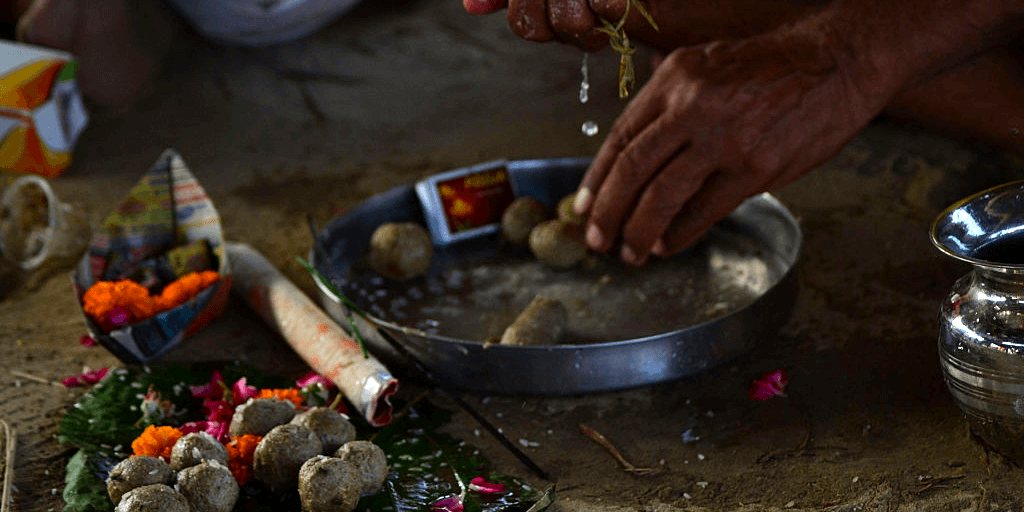
No, they are distinct but related rituals often performed together during Shradh. Tarpan: Offering water (with sesame seeds) to quench the thirst and provide satisfaction (Trupti) to ancestors. Pind Daan: Offering Pindas (food balls made of rice/barley flour) to provide nourishment and substance to ancestors in the Pitru Loka. Tarpan usually precedes Pind Daan in […]
How much does it cost to get Tarpan performed by a Pandit in Haridwar?
If performed as a standalone ritual, the cost for a Pandit’s guidance and basic materials for Tarpan might be relatively modest, perhaps ranging from ₹500 to ₹1500 or more, depending on the Pandit and duration. However, Tarpan is often part of a larger Shradh or Pind Daan package, the cost of which can range from […]
What materials are essential for Tarpan in Haridwar and are they available there?
The essentials are simple: Water: Holy Ganges water is readily available at the Ghats. Black Sesame Seeds (Kala Til): Crucial for Pitru Tarpan. Kusha Grass (Darbha): Often used to make a ring (Pavitri) worn during the ritual and sometimes placed in the water. Copper Vessel (Optional): Often used to hold water, though offering directly from […]
Do I need a Pandit to perform Tarpan in Haridwar?
While the basic act of offering water can be done individually if one knows the procedure and basic intentions, having a knowledgeable Pandit (Tirth Purohit) from Haridwar is highly recommended, especially during specific events like Pitru Paksha or Shradh. The Pandit ensures the correct mantras are chanted, the procedure is followed accurately according to Vedic […]
Who can perform Tarpan in Haridwar?
Tarpan is generally performed by men who have undergone the Upanayana (sacred thread) ceremony. Sons, grandsons, nephews, or any male relative can perform Tarpan for their ancestors. While traditionally less common for women to perform the water offering itself, they actively participate in related rituals like Shradh and Pind Daan, and guidance should be sought […]
How is Tarpan performed in Haridwar?
While a Pandit can guide the specific mantras, the basic procedure at a Haridwar Ghat involves: Purification: Taking a holy dip (Snan) in the Ganges. Facing Direction: Usually facing South for Pitru Tarpan (ancestors), East for Deva Tarpan, and North for Rishi Tarpan. Materials: Using water (Gangajal), usually mixed with black sesame seeds (for Pitrus) […]
When is the ideal time to perform Tarpan in Haridwar?
Tarpan can be performed in Haridwar on various occasions: Daily (Nitya Tarpan): Traditionally, devout Hindus may perform Tarpan daily after their morning bath. Doing this at a holy place like Haridwar adds merit. Pitru Paksha: This 16-day period is the most important time for ancestral rites. Performing Tarpan daily throughout Pitru Paksha in Haridwar is […]
Where in Haridwar is Tarpan typically performed?
Tarpan is primarily performed at the sacred Ghats along the Ganges River in Haridwar. Key locations include: Kushavarta Ghat: This Ghat is specifically renowned and traditionally considered the most appropriate and auspicious place in Haridwar for performing Tarpan, alongside Shradh and Pind Daan. Har Ki Pauri: The famous Brahma Kund area within Har Ki Pauri […]
What exactly is Tarpan and why is Haridwar a chosen location for it?
Tarpan is a sacred Hindu ritual of offering water, often mixed with black sesame seeds (kala til), to satisfy the souls of departed ancestors (Pitrus), as well as deities (Devas) and ancient sages (Rishis). Performing Tarpan in Haridwar is highly significant because Haridwar is one of the seven holiest cities (Sapta Puri), and the ritual […]