Pitrudosh FAQs

Answers to all of your Pitrudosh related Questions

Traditionally, the primary responsibility lies with male descendants. However, in the absence of males or modern interpretations, women (daughters, wives) can perform or participate in Pitra Dosh rituals, especially Tarpan or charity. The emphasis is on sincere devotion.

In scriptures like the Mahabharata, the crow represents ancestral spirits. Offering food to crows during Pitrupaksha is a symbolic act of feeding one’s ancestors.

With sincerity, devotion, and adherence to traditional guidelines, ensuring the presence of knowledgeable priests, the ritual’s effectiveness is amplified.

No, they are different astrological doshas, although both involve Rahu and Ketu. Pitra Dosh specifically relates to ancestral karma and afflictions to luminaries or the 9th house, while Kaal Sarp Dosh occurs when all planets are hemmed between Rahu and Ketu. Sometimes, both doshas can exist in a chart.

Yes, Pitra Dosh is often described as resulting from the karmic debts or sometimes the “curses” (shrapa) of dissatisfied ancestors due to their unfulfilled desires or mistreatment they may have faced.

Yes, unresolved Pitrudosh can pass down generations, causing disruptions in descendants’ lives until appeased.

In Vedic astrology, if the Sun and Rahu or Moon and Rahu combine in the ninth house of a horoscope, Pitrudosh may be indicated.

Yes, with a knowledgeable pandit guiding the rituals, it can be done at home. However, specific locations like Gaya hold special significance for Pitrudosh rites.

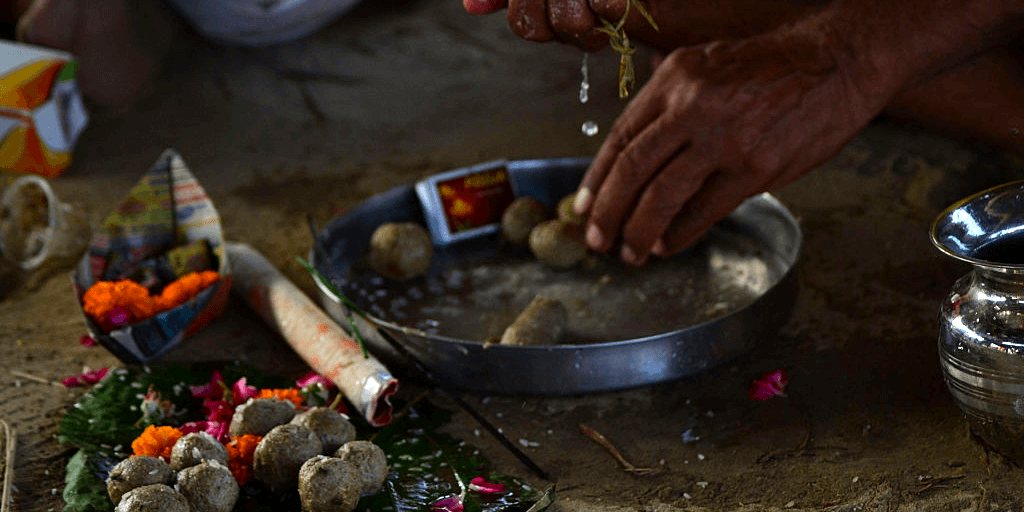
It is a set of rituals and offerings specifically designed to appease ancestors and nullify the ill effects of Pitrudosh.

The Puranas stress the sanctity of the Ganges. Offering Tarpan or Pind Daan on its banks during Pitrupaksha is believed to have immense benefits in appeasing ancestors.

That's all for now, we'll keep adding more FAQs here. Hari Om
0

No products in the cart.