Key Takeaways
- Bridging the Spiritual Gap: How Pitrupaksha Connects Generations in India's Sacred Cities
- Introduction: The Timeless Bond of Pitrupaksha
- The Essence of Pitrupaksha: Honoring the Ancestors
- Gaya: The Epicenter of Ancestral Blessings
In This Article
Bridging the Spiritual Gap: How Pitrupaksha Connects Generations in India’s Sacred Cities
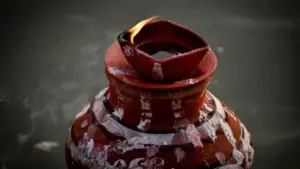
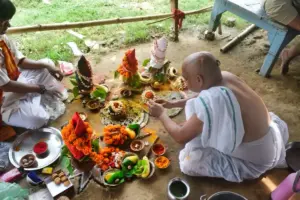
 Pind Daan in Gaya discovering pitrupaksha” width=”1280″ height=”720″ />
Introduction: The Timeless Bond of Pitrupaksha
Pitrupaksha, or the ‘Fortnight of Ancestors,’ is a sacred period in the Hindu calendar. It’s a time of reflection, gratitude, and a deep spiritual connection that bridges the gap between generations.The Essence of Pitrupaksha: Honoring the Ancestors
At the heart of Pitrupaksha lies the act of remembering and honouring departed ancestors. Through rituals, offerings, and prayers, families express their gratitude, seeking blessings and ensuring the souls of the departed find peace.Gaya: The Epicenter of Ancestral Blessings
Rituals by the Falgu River
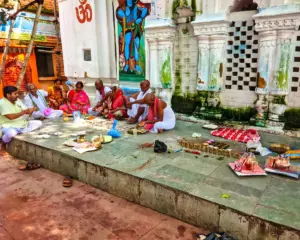
Gaya, with its serene Falgu River, becomes a hub of rituals during Pitrupaksha. Families gather by its banks, performing the Pind Daan, offering rice balls to their ancestors, ensuring their souls find solace.
The Legacy of Vishnupad Temple
The Vishnupad Temple in Gaya stands as a testament to Lord Vishnu’s divine presence. During Pitrupaksha, the temple resonates with chants, prayers, and a unique spiritual energy.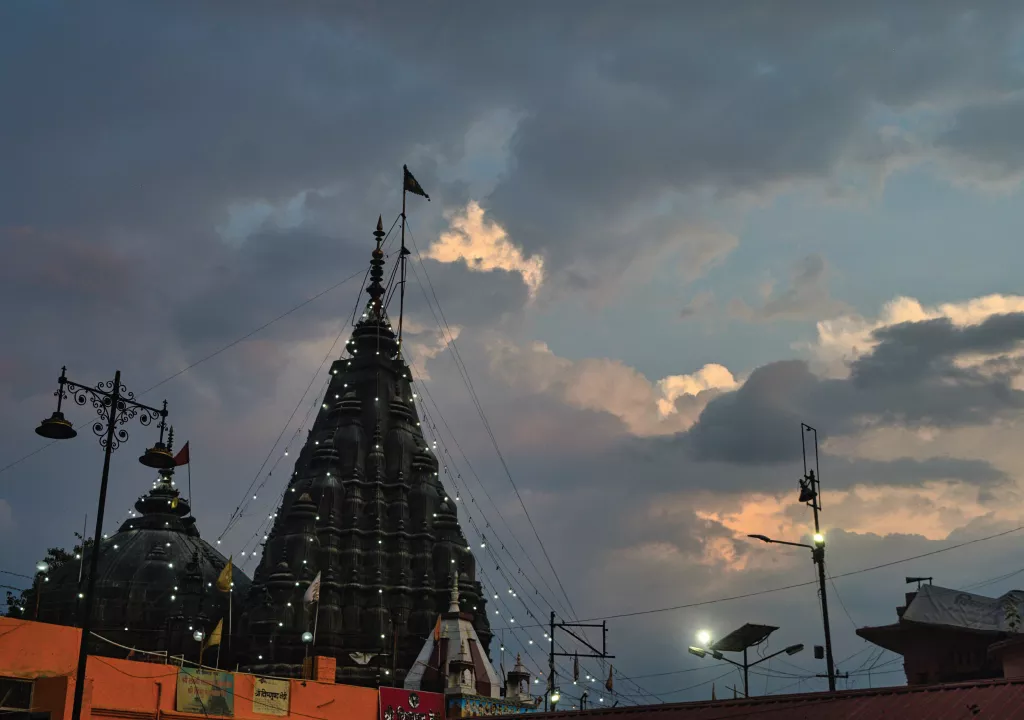
Prayagraj: The Spiritual Confluence
The Significance of Triveni Sangam
Prayagraj, home to the Triveni Sangam, witnesses a confluence of faith during Pitrupaksha. The meeting point of Ganga, Yamuna, and the mythical Saraswati becomes a focal point of rituals and prayers.
The Gathering of Wisdom
The city comes alive with saints, sages, and spiritual leaders sharing wisdom, guiding devotees, and performing rituals, making Prayagraj a spiritual epicentre.Varanasi: The Eternal City of Rituals
Ghats Echoing with Devotion
The ghats of Varanasi, especially during Pitrupaksha, are a sight to behold. Devotees throng the banks, performing rituals, singing hymns, and connecting with their ancestral roots.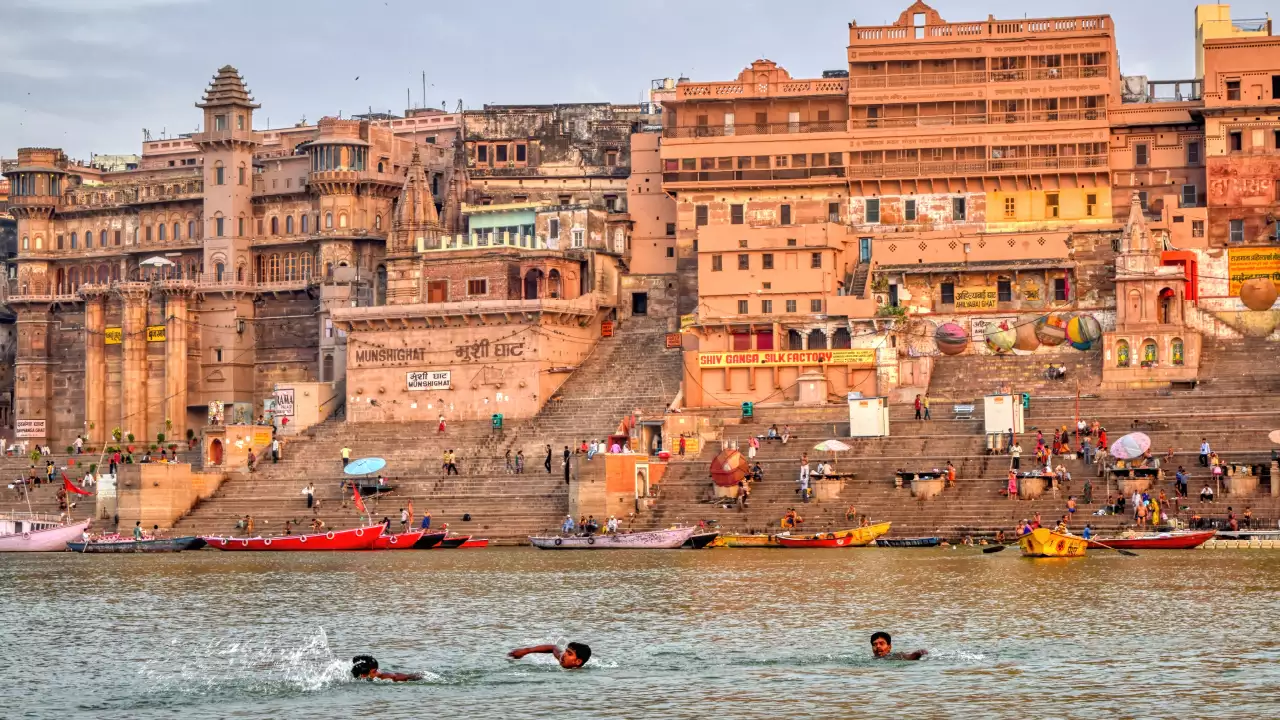
The Ganga Aarti: A Symphony of Faith
Every evening, the Ganga Aarti at Dashashwamedh Ghat becomes a mesmerizing spectacle. The chants, the rhythmic bell sounds, and the collective faith make it an unmissable experience.The Intergenerational Connection: Stories from the Heart
Across these cities, one can hear tales of dreams, visions, and divine encounters. For many, Pitrupaksha is not just a ritual but a transformative experience, a bridge connecting them to their past.Conclusion: Pitrupaksha – A Bridge Across Time
Pitrupaksha, as celebrated in India’s sacred cities, is a journey of faith, memories, and timeless connections. It’s a bridge that spans across generations, reminding us of the eternal bond we share with our ancestors.🙏 Book Pitrupaksha Shradh with Prayag Pandits
- Pind Daan and Shradh at Prayagraj, Gaya, Varanasi, Haridwar or Badrinath
- Complete ritual with Sankalp, Tarpan, Pind offering and Brahman Bhoj
- Online poojan with live video call for NRIs and distant families
- Trusted by 10,000+ families for Pitrupaksha observances
Related Services by Prayag Pandits
- 🙏 Pind Daan in Gaya — Starting from ₹7,100
- 🙏 Shradh at Prayagraj — Starting from ₹7,100
- 🙏 Tripindi Shradh Pooja in Prayagraj — Starting from ₹21,000
The Vedic Foundation: Why Ancestors Matter
The obligation to honour ancestors is not merely cultural — it is one of the three fundamental debts (Rin-Traya) every Hindu is born with, as described in the Linga Purana and Garuda Purana. These three debts are: Deva Rin (debt to the gods, discharged through worship and yagnas), Rishi Rin (debt to the sages, discharged through study and knowledge), and Pitru Rin (debt to the ancestors, discharged through procreation and ancestral rites like Pind Daan, Tarpan, and Shradh). The Garuda Purana specifically states that the word putra (son) derives from the name of a hell called Put — the son who saves his father from Put is called putra. This etymological connection underscores that ancestral liberation is not optional but a spiritual necessity embedded in the very language of Hindu tradition.
How Pitrupaksha Connects Generations Across Time
According to the Vayu Purana, the ancestors are not distant, forgotten souls — they preside over the seasons themselves: “The seasons are the Pitrs; the things produced in the seasons are the Pitrs.” Every harvest, every monsoon, every winter is, in Vedic understanding, a manifestation of ancestral blessing. When these blessings are disrupted through neglect of ancestral rites, the disruption manifests as Pitra Dosh — ancestral affliction that cascades through generations as financial instability, health problems, marital difficulties, and obstacles in childbirth.
Pitrupaksha provides the annual opportunity to restore this intergenerational contract. The Skanda Purana records a Vedic utterance that when a ball of rice (pinda) is offered with devotion, even ancestors of unknown nativity and Gotra go to heaven. This is profoundly compassionate: even if a family has lost track of their lineage over centuries of displacement, migration, or partition, the Pitrupaksha offerings still reach the intended ancestors through divine grace.
The Sacred Cities: Where Generations Meet
Prayagraj — Triveni Sangam
At the confluence of the Ganga, Yamuna, and the invisible Saraswati, Triveni Sangam in Prayagraj is Tirtharaj — the king of all pilgrimage sites. The Padma Purana declares that rites performed here grant merit equivalent to performing them at all tirthas combined. During Pitrupaksha, the Sangam becomes a vast ritual ground where thousands of families simultaneously perform Pind Daan, creating a collective spiritual energy that amplifies individual offerings.
Varanasi — Moksha Nagari
Varanasi (Kashi) is the city of liberation. The Kashi Khand promises that anyone whose remains touch the sacred waters of Kashi attains heaven. During Pitrupaksha, Manikarnika Ghat and Pishach Mochan Kund are the primary locations for Shradh and Narayan Bali.
Gaya — Pitru Tirtha
Gaya is called Pitru Tirtha — the tirtha specifically designated for ancestral rites. The Vayu Purana states that Pind Daan at the Vishnupad Temple and Phalgu River liberates ancestors up to seven generations in both directions (past and future). Gaya is considered the most powerful single site for breaking ancestral curses.
Haridwar — Har Ki Pauri
Haridwar at the foothills of the Himalayas is where the Ganga enters the plains. Har Ki Pauri (the footstep of God) is the primary ghat for ancestral rites, and the Narayani Shila Temple is prescribed specifically for Narayan Bali and Pitru Dosh Nivaran ceremonies.
What Happens If Pitrupaksha Is Not Observed?
The Brahma Purana describes that when Shradh is performed, drops of water and bits of food from the rice-ball alleviate the thirst and hunger of close relatives and distant kin — even those born in different species of existence. The implication is clear: neglecting Shradh means ancestors trapped in lower realms continue to suffer without relief. The Garuda Purana teaches that ancestors consume the Shradh offerings in the company of Vasus, Rudras, and Adityas, and when gratified, they in turn shower blessings on the living descendants. The chain works in both directions: your ancestors’ peace directly affects your worldly prosperity.
Perform Pitrupaksha Rituals with Prayag Pandits
Whether you are in India or abroad, Prayag Pandits arranges complete Pitrupaksha rituals at all four sacred cities. Our services include:
- Pind Daan at Prayagraj — from Rs 5,100
- Shradh at Varanasi — from Rs 7,100
- Pind Daan at Gaya — from Rs 7,100 to Rs 15,999
- Online rituals for NRIs — from Rs 3,100 with live video call
Pitrupaksha 2026: September 27 to October 11. Book early — our pandits serve limited families per day to maintain ritual quality. WhatsApp +91 77540 97777 for consultation.
Book Your Sacred Ritual
Authentic ceremonies performed by Veda-trained pandits at sacred sites across India.