
Online Shradh & Tarpan for NRIs — Performed at Sacred Sites in India
You are thousands of kilometres from India. A death anniversary is approaching, Pitru Paksha is near, or Amavasya falls this week — and the thought of your ancestors waiting, unattended, sits quietly at the back of your mind. You know what should be done. The geography of your life just makes it difficult.
Prayag Pandits has been performing online Shradh and online Tarpan on behalf of NRI families since 2019. More than 2,263 families across the USA, UK, Canada, Australia, Malaysia, Singapore, UAE, and Europe have entrusted us to represent them at the banks of the Ganga, Yamuna, Falgu, and Triveni Sangam. Every ritual is performed by qualified Vedic pandits at the actual holy site — on camera, with your ancestors’ names recited aloud during the ceremony.
This page covers everything you need to know: the difference between Shradh, Tarpan, and Tripindi Shradh; when each is needed; how the online process works; pricing at each sacred city; and how to book. Starting price: ₹5,100 for Tarpan, ₹7,100 for Shradh.
What is Shradh? What is Tarpan? Understanding the Two Rites
These two rites are often spoken of together but they serve distinct purposes in Hindu ancestral worship.
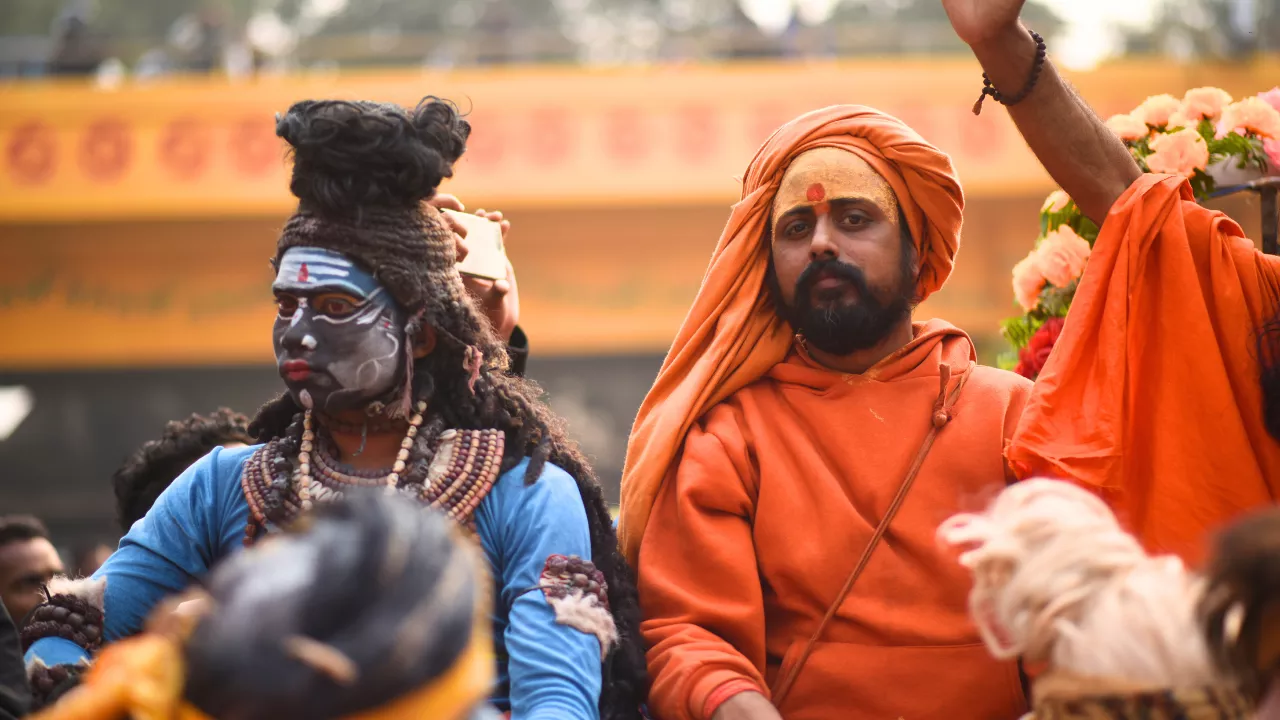
Tarpan — The Daily Water Offering
Tarpan (तर्पण) is an offering of water, black sesame seeds (til), kusha grass, and sometimes milk or barley to the departed souls of one’s forebears. It satisfies (tarpayati — to satisfy, to nourish) the Pitrus, the ancestral spirits who occupy the intermediate realm between this world and the next. Tarpan is typically performed at a river bank, sacred tank, or teertha — the flowing water acting as a channel that carries the offerings to the ancestral realm.
Tarpan can be offered every day (nitya tarpan) or on specific occasions: Amavasya (new moon), during the fifteen days of Pitru Paksha, on the tithi (lunar date) of the ancestor’s death, and on certain solar transitions (Sankranti). It is a relatively brief ritual — thirty to sixty minutes at the ghat — but its regularity makes it the foundation of ancestral maintenance. A family that performs Tarpan regularly is one from which the Pitrus do not withdraw their blessings.
Shradh — The Annual Ancestral Ceremony
Shradh (श्राद्ध) is a fuller, more elaborate rite. The word comes from shraddha — faith, sincerity, devotion. Shradh is performed once a year on the death anniversary (mahalaya shraddha), or during Pitru Paksha on the tithi corresponding to the ancestor’s passing. It involves Tarpan, Pind Daan (offering of rice balls that represent the physical body of the ancestor), feeding Brahmins (brahmin bhoj), and specific mantras from the Pitru Sukta and other Vedic hymns.
Where Tarpan maintains the subtle nourishment of the Pitrus, Shradh is a more complete act of remembrance and liberation. The Garuda Purana, the Brahma Purana, and the Vishnu Dharmasutra all describe the Shradh ceremony as one of the most significant duties a son or daughter can perform for their departed parents and grandparents. Skipping it — particularly for three or more years — is believed to cause Pitru Dosha, a form of ancestral obstruction that affects the health, prosperity, and progeny of the living family.
Shradh vs Tarpan vs Tripindi Shradh — A Clear Comparison
Many families are unsure which ritual they actually need. The table below clarifies the three main rites we perform online.
| Aspect | Tarpan | Shradh (Annual) | Tripindi Shradh |
|---|---|---|---|
| Purpose | Nourish and satisfy Pitrus with water and til offerings | Full ancestral ceremony — Pind Daan + Tarpan + Brahmin bhoj | Relief for ancestors stuck in intermediate states for 3+ years |
| Duration | 30–60 minutes at ghat | 2–3 hours, full puja sequence | Full day, multiple rituals |
| When performed | Amavasya, Pitru Paksha, death anniversary tithi, daily | Death anniversary (tithi), Pitru Paksha, Mahalaya | When Shradh has been missed 3+ years, or Pitru Dosha is diagnosed |
| Who needs it | All families — regular ancestral maintenance | Families observing annual rites | Families who missed Shradh for years, or facing repeated misfortune |
| Sacred cities | Prayagraj, Varanasi, Haridwar, Gaya | Prayagraj, Varanasi, Gaya, Haridwar, Garh Ganga | Prayagraj, Varanasi, Gaya |
| Starting price | ₹5,100 | ₹7,100 | ₹21,000 |
How Online Shradh Works — The Step-by-Step Process
Online Shradh is not a symbolic or abbreviated ceremony. The pandit performs the complete ritual at the actual sacred location — you watch it happen. Here is exactly how the process works.
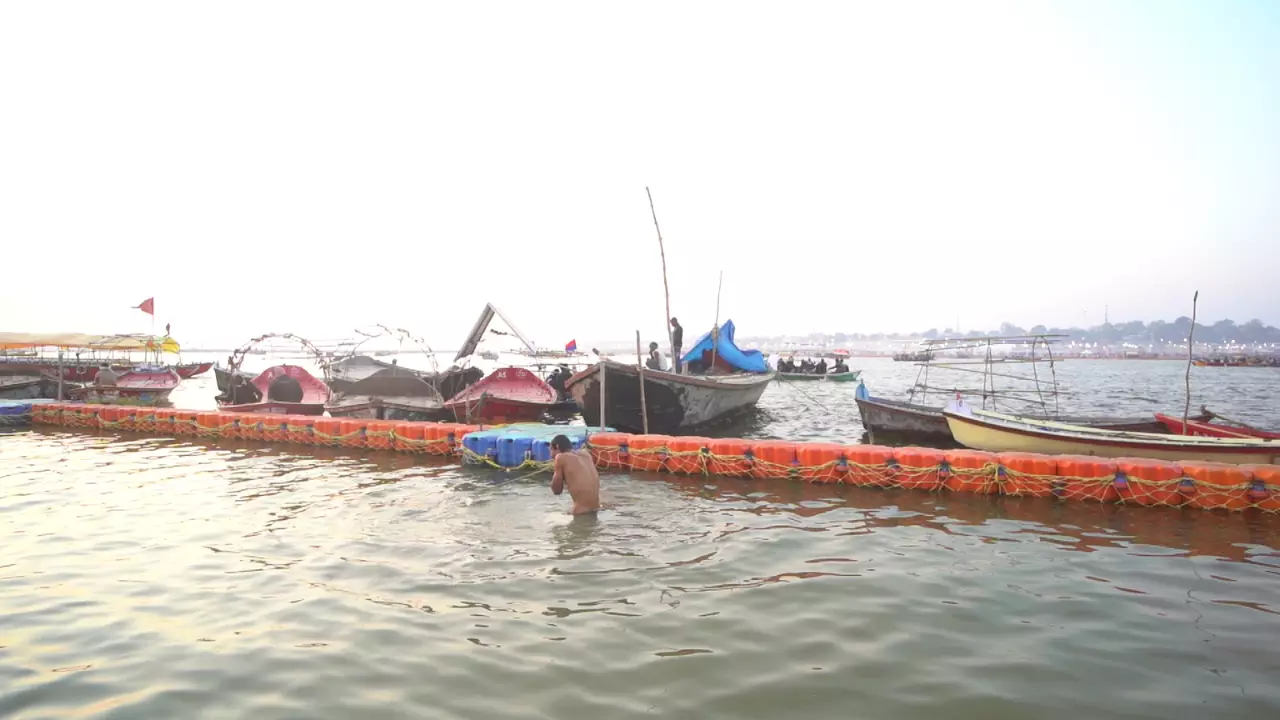
Step 1: Consultation and Booking
You contact us via WhatsApp (+917754097777), phone, or the booking form. We discuss which ancestor(s) you wish to honour, the preferred date (death anniversary tithi, Amavasya, or a Pitru Paksha date), and the sacred city. We collect the ancestor’s full name, your gotra (if known), and the specific relations — father, mother, paternal grandparents, maternal grandparents, and any others you wish included. If you do not know the gotra, the pandit proceeds with Kashyap gotra as the default — a common and accepted practice.
Step 2: Samagri Preparation
The assigned pandit gathers the ritual materials (samagri): rice flour pindas, black sesame seeds (til), kusha grass, barley (jau), tulsi leaves, honey, milk, and the sacred thread (yagyopaveet) for the ceremony. All materials are sourced locally at the teertha and conform to traditional Vedic specifications.
Step 3: Live Video Ceremony
On the scheduled date, the pandit performs the Shradh at the ghat — either via a live WhatsApp or Zoom video call so you can watch in real time from wherever you are in the world, or with a complete video recording dispatched to you afterward. During the ceremony, the pandit recites the Sankalpa (the formal declaration of intent) with your name, your ancestors’ names, and your gotra — this is the moment that connects the ritual specifically to your family and not a generic ceremony. The Pind Daan offerings are made into the sacred river; the Tarpan follows.
Step 4: Proof and Certificate
After the ceremony, you receive: the video recording of the complete ritual, photographs of the pindas at the ghat, a pandit-signed certificate of performance (on request), and in select packages, prasad is dispatched to your address by courier. The certificate can be useful for families who wish to maintain a formal record of ancestral rites performed on specific dates.
How Online Tarpan Works
Tarpan is a lighter, more frequent rite compared to the full Shradh ceremony. Many NRI families choose to have Tarpan performed every Amavasya (monthly new moon) so that their ancestors receive regular nourishment throughout the year, reserving the full Shradh for the death anniversary and Pitru Paksha.
The online Tarpan process follows the same structure as Shradh — consultation, date selection, live video or recording, and delivery of proof — but the ceremony itself is shorter. The pandit stands at the ghat with a water vessel (kamandal or patra), recites the Tarpan mantras for each ancestral generation (pitru, pitamah, prapitamah on the paternal side; matamah, pra-matamah on the maternal side), and pours the water-til offerings into the sacred river with your family’s names and gotra invoked in each round.
For regular monthly Tarpan, we offer a subscription-style arrangement where the same pandit performs the rite each Amavasya and sends you the video. Families who have used this service for years often tell us that the continuity — the same pandit, the same ghat, the same names spoken each month — gives them a sense of unbroken connection to home that nothing else replicates.
Sacred Cities for Online Shradh and Tarpan
Not all holy sites carry equal weight for ancestral rites. The Puranas specify certain teerthas as especially powerful for Pitru karmas — places where the veil between the living and the ancestral realm is considered thinner. We operate at all four of the most significant of these.
Prayagraj (Triveni Sangam)
The confluence of the Ganga, Yamuna, and the invisible Saraswati is considered Teertha Raj — the king of all sacred crossings. The Matsya Purana describes Prayagraj as the place where all tirthas reside simultaneously, making any ritual performed here multiply effective. Shradh and Tarpan at Triveni Sangam are believed to liberate not just the person named in the ceremony, but also those of their lineage going back several generations. This is why Prayagraj remains the most booked location among our NRI clients — it is the single most complete solution for ancestral rites.
See our Shradh at Prayagraj package (₹7,100) and Tarpan in Prayagraj package (₹5,100).
Varanasi (Kashi / Ganga Ghats)
Kashi is considered the city where Shiva himself whispers the Taraka Mantra into the ear of the dying, granting liberation. For ancestral rites, the ghats of Varanasi — particularly Manikarnika and Dashashwamedh — carry immense Pitru karma power. Families whose ancestors died in Varanasi, or who have a special devotion to Lord Shiva, often choose Kashi for their annual Shradh. The Kashi Vishwanath temple priests who guide our rituals here are trained in the Kashi Vidwat Parishad tradition.
See our Shradh at Varanasi package (₹10,999) and Tarpan in Varanasi package (₹5,100).
Gaya (Falgu River)
Among all the teerthas for Pind Daan and Shradh, Gaya holds a unique position. The Vayu Purana, Agni Purana, and Garuda Purana all identify Gaya as the supreme site for ancestral liberation — performing Shradh here is believed to grant moksha (liberation) to the ancestor directly, not just relief or nourishment. The Vishnupada temple at Gaya, with Lord Vishnu’s footprint enshrined within it, is the focal point of Gaya Shradh. Families performing Shradh at Gaya for the first time — whether in person or online — often report a profound sense of completion and release.
See our Online Shradh at Gaya package (₹10,999) and Online Tarpan in Gaya package (₹11,000). Also available: Tarpan in Gaya during Pitru Paksha (₹11,000).
Haridwar (Har Ki Pauri)
Har Ki Pauri — the steps of Lord Hari — is where the Ganga descends from the mountains onto the plains, carrying the full force of her Himalayan origin. Tarpan and Shradh performed at Har Ki Pauri are considered especially effective for the souls of those who died without Shradh being performed, or whose remains were not immersed in sacred water. Haridwar is also a common choice for families whose ancestors had a particular connection to the Char Dham pilgrimage circuit.
See our Online Shradh in Haridwar package (₹7,100) and Tarpan in Haridwar package (₹5,100).
Garh Ganga (Garh Mukteshwar)
Garh Mukteshwar on the banks of the Ganga is revered in the Shiv Purana and holds particular significance for families from northern India — Uttar Pradesh, Delhi, Haryana, and surrounding regions. It is less prominent on the international circuit but deeply meaningful for families with ancestral roots in the Ganga-Yamuna doab. Shradh performed here carries the blessings of both Shiva (Mukteshwar) and the Ganga.
See our Online Shradh in Garh Ganga package (₹7,100).
All Packages and Prices at a Glance
The table below lists all our current online Shradh, Tarpan, and Tripindi Shradh packages with prices.
| Ritual | Sacred City | Price | Book |
|---|---|---|---|
| Tarpan | Prayagraj | ₹5,100 | Book |
| Tarpan | Varanasi | ₹5,100 | Book |
| Tarpan | Haridwar | ₹5,100 | Book |
| Online Tarpan | Gaya | ₹11,000 | Book |
| Tarpan (Pitru Paksha) | Gaya | ₹11,000 | Book |
| Shradh | Prayagraj | ₹7,100 | Book |
| Shradh | Varanasi | ₹10,999 | Book |
| Online Shradh | Gaya | ₹10,999 | Book |
| Online Shradh | Haridwar | ₹7,100 | Book |
| Online Shradh | Garh Ganga | ₹7,100 | Book |
| Tripindi Shradh | Prayagraj | ₹22,000 | Book |
| Tripindi Shradh | Varanasi | ₹21,000 | Book |
| Tripindi Shradh | Gaya | ₹34,999 | Book |
| Online Tripindi Shradh | Gaya | ₹30,999 | Book |
Tripindi Shradh — When Regular Shradh is Not Enough
There is a specific situation the scriptures address plainly: when Shradh has not been performed for three or more years for a particular ancestor, or when an ancestor died under unusual circumstances (sudden death, accident, suicide, death away from family), the regular annual Shradh is not sufficient to address their state in the ancestral realm.
In these cases, the Tripindi Shradh (त्रिपिण्डी श्राद्ध) is prescribed. Tripindi means three pindas — offerings made simultaneously to three categories of departed souls: those who died normally (preta), those who died in unusual ways (vikata mrityu), and those who have been trapped in the intermediate state due to incomplete rites. The ritual is performed over the course of a full day and involves more elaborate fire offerings (havan), extended Pind Daan sequences, and specific mantras from the Pitru Kalpa.
Families who perform Tripindi Shradh often report a marked shift afterward — a sense of resolution that the regular Shradh had not brought. This is not superstition; it reflects the Vedic understanding that different degrees of ancestral distress require different levels of ritual remedy.
Signs that your family may benefit from Tripindi Shradh: Shradh was last performed three or more years ago; an ancestor’s Shradh was never performed at all; the family is experiencing a pattern of reproductive difficulties, financial obstruction, or illness that has resisted other remedies; or a jyotishi (astrologer) has identified Pitru Dosha in the natal chart. Our pandits can assess your situation during the consultation and advise honestly.
Available locations for Tripindi Shradh: Prayagraj (₹22,000), Varanasi (₹21,000), Gaya (₹34,999), and Online Tripindi Shradh at Gaya (₹30,999).
What You Receive After the Ceremony
We are transparent about exactly what the online service delivers. Every booking includes the following as standard:
- Live video call option: Join via WhatsApp or Zoom as the ceremony happens. You can see the ghat, the river, the pandit, and hear your ancestors’ names being recited.
- Full video recording: The complete ceremony is recorded and sent to you via WhatsApp or email within 24 hours of the ritual.
- Photographs: Still images from key moments in the ceremony — the Sankalpa, the Pind Daan at the water’s edge, and the concluding Aarti.
- Pandit certificate: A signed document (on request) confirming the ritual was performed, the date, the sacred location, and the names of the ancestors included.
- Prasad dispatch: Available in select packages — sacred prasad from the teertha is sent to your address by courier. Please confirm during booking if you require this.
We do not send you stock footage or a generic recording. The video you receive is specific to your family’s ceremony — your ancestors’ names, your gotra, the date you booked, at the location you chose.
When to Perform Online Shradh and Tarpan
Timing matters for ancestral rites. The Dharmashastra literature identifies specific windows when the Pitrus are considered most accessible — when the veil between realms is thinnest and offerings reach most effectively.
Pitru Paksha (Pitru Paksha 2026: September 27 – October 11)
The fifteen days of Pitru Paksha in the Krishna Paksha (waning fortnight) of Ashwin month are the primary window for Shradh each year. During this period, the Pitrus are believed to descend from their realm and wait at the threshold, hoping to receive offerings from their descendants. Shradh performed on the correct tithi during Pitru Paksha carries the highest potency of the year. Book well in advance — our pandits’ calendars fill up from mid-September onward.
Key dates in Pitru Paksha 2026:
- September 27 — Purnima Shraddha (for ancestors who died on a full moon day)
- October 1 — Chaturthi Shraddha
- October 4 — Saptami Shraddha / Matru Navami (for mothers and maternal ancestors)
- October 6 — Navami Shraddha
- October 8 — Ekadashi Shraddha
- October 9 — Dwadashi Shraddha
- October 10 — Trayodashi Shraddha (for those who died as children or in accidents)
- October 11 — Sarva Pitru Amavasya (for all ancestors, regardless of tithi)
Monthly Amavasya
Each new moon (Amavasya) is considered auspicious for Tarpan. Performing Tarpan on every Amavasya throughout the year ensures that the Pitrus receive regular nourishment between the major annual ceremonies. For NRI families, our monthly Tarpan arrangement makes this achievable without any planning burden — we notify you of the date, perform the rite, and send the video.
Death Anniversary (Tithi)
The annual Shradh on the tithi of an ancestor’s passing is the most personal and direct form of ancestral remembrance. If you know the date your parent or grandparent passed (English calendar), share it with us and we will calculate the corresponding tithi and confirm the ideal date for the ceremony.
Mahalaya Shraddha
The day before Navratri begins — Mahalaya Amavasya — is considered the most powerful single day in the entire year for ancestral rites. Families who can perform Shradh only once a year are advised to choose this day above all others. In 2026, Mahalaya Amavasya coincides with Sarva Pitru Amavasya (October 11).
Masik Shradh (Monthly)
For the first year following a death, Masik Shradh is performed every month on the tithi of the passing. This is standard practice in most Hindu traditions and helps the departing soul complete its transition to the ancestral realm. We assist families through this first-year cycle entirely online.
NRI Families We Have Served — Their Words
These testimonials come from actual clients across five countries.
“Being in the USA, travelling to India just for Tarpan during Pitru Paksha was becoming very difficult. Prayag Pandits offered a wonderful solution. We arranged for the rites at Prayagraj (Triveni Sangam). The video they sent clearly showed the priest performing the Tarpan meticulously for our ancestors’ peace. It gave our family immense satisfaction. Very grateful for this authentic service.”
— Parvathi, USA
“I must admit, I was skeptical about performing such a sacred ritual online from Canada. But honouring my parents in Kashi (Varanasi) was important. Prayag Pandits were very patient, answered all my questions, and the detailed photos of the Tarpan being done at the ghat reassured me completely. Trustworthy and transparent.”
— Radha Ravi, Canada
“For our family in Australia, ensuring the ancestral rites are done properly, especially at a place like Gaya, is very significant. Prayag Pandits handled the Tarpan with utmost respect. Seeing the rituals performed dedicatedly in the video assured us that our duty towards our Pitrus was fulfilled correctly. Thank you.”
— Priya Nair, Australia
“Living in Singapore, we felt disconnected from these essential rituals. We opted for the live stream option for Tarpan at Prayagraj. Watching the priest perform the rites for our ancestors live gave us a profound sense of connection and peace, despite the distance. Commendable use of technology to maintain tradition across borders.”
— Praveen, Singapore
“It was deeply important for us in Australia that the rituals were performed correctly according to tradition and in Kashi. Shivam and his team assured us of this and delivered. The ceremony footage from the Ganga showed the authenticity we sought, performed by a knowledgeable priest. Truly appreciate their dedication.”
— Bhargavi, UK
Why Choose Prayag Pandits
There are many services that claim to perform online rituals. Here is what distinguishes Prayag Pandits specifically:
- 2,263+ families served since 2019 — a track record built on repeat clients and referrals, not paid advertising.
- Qualified Vedic pandits — our priests are trained in Kashi Vidwat Parishad traditions, not self-taught or ceremonially informal.
- Actual sacred locations — every ritual is performed at the actual teertha (Triveni Sangam, Har Ki Pauri, Vishnupada, Manikarnika), not at a home or rented space.
- Transparent documentation — you receive video proof of your specific ceremony, not stock footage.
- Personal service — when you call +917754097777, you speak to a person who knows your file. We do not use scripts or automated replies for sensitive ancestral ceremonies.
- Registered business — M/S Prayag Samagam, GST No. 09AZAPK2937R1ZR. You are dealing with a legitimate, tax-registered entity, not an informal arrangement.
- Multi-city coverage — we operate at Prayagraj, Varanasi, Gaya, Haridwar, and Garh Ganga, so you can choose the most meaningful location for your family.
🙏 Book Your Online Shradh or Tarpan
You can also reach us at +919115234555, or email info@prayagpandits.com. For the Pind Daan side of ancestral rites, see our guide to Pind Daan in Prayagraj. For families managing Asthi Visarjan from abroad, see our Asthi Visarjan guide.