Key Takeaways
- Magh Mela 2027 bathing dates
- Why Makar Sankranti is on 15 January and not the 14th
- What Kalpavas is, and who keeps it
- How long to stay, and which day to pick
In This Article
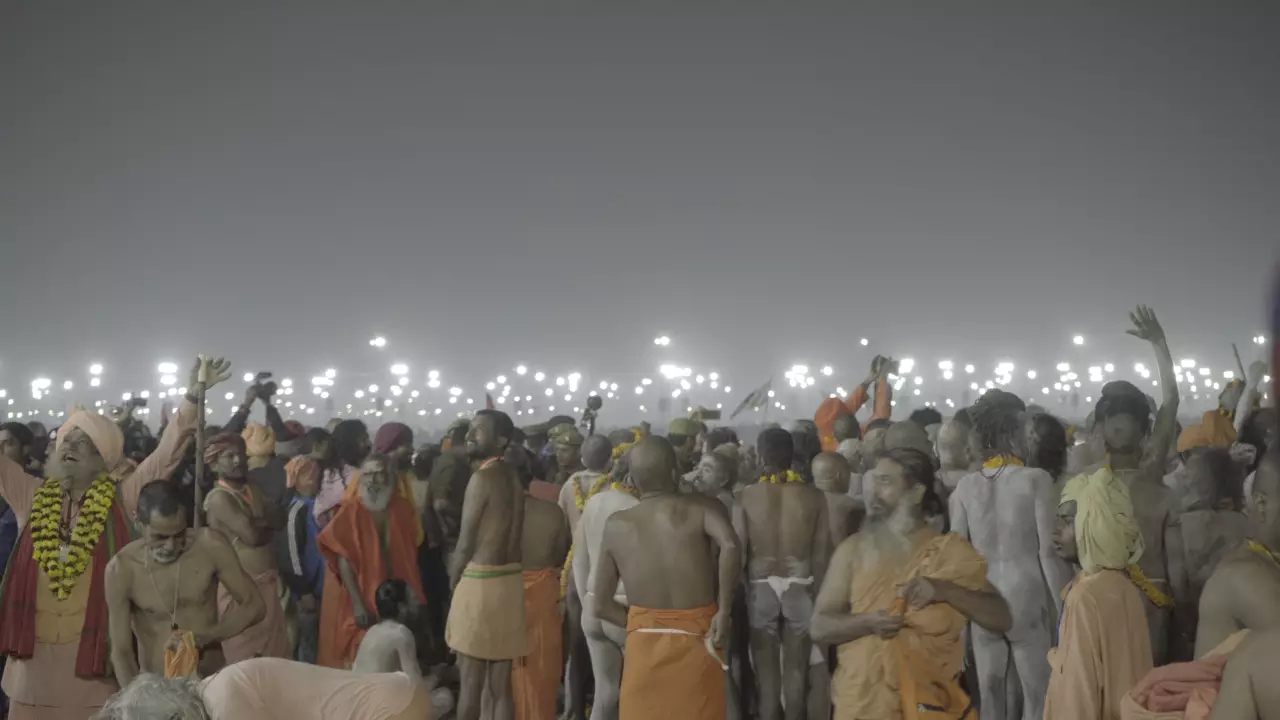
Magh Mela 2027 runs at the Triveni Sangam in Prayagraj from 15 January to 6 March 2027, with six principal bathing days. The largest is Mauni Amavasya on 6 February. The Mela is held every year in the month of Magh, and families come to bathe, to keep Kalpavas, and to have ancestral rites and pind daan performed at the Sangam.
Magh Mela 2027 bathing dates
These are the six snan days. Everything else about planning the trip follows from which of them you want to be there for.
| Bathing day | Date | Day | What it marks |
|---|---|---|---|
| Makar Sankranti | 15 January 2027 | Friday | The Mela opens |
| Paush Purnima | 22 January 2027 | Friday | Kalpavas begins |
| Mauni Amavasya | 6 February 2027 | Saturday | The largest gathering of the Mela |
| Basant Panchami | 11 February 2027 | Thursday | Saraswati Puja |
| Maghi Purnima | 20 February 2027 | Saturday | The principal day for Kalpavasis |
| Maha Shivratri | 6 March 2027 | Saturday | Final snan, Kalpavas ends |
Why Makar Sankranti is on 15 January and not the 14th
You will see both dates printed, and the disagreement is real but not a mistake on either side. The Sun enters sidereal Makara late on the evening of Thursday 14 January 2027, after sunset in India. When the sankranti moment falls after sunset, the punya kaal observances that depend on it, which are snan, arghya and daan, carry over to the next sunrise.
So the astronomical event is the 14th and the bathing day is Friday the 15th. Calendars that print 14 January are giving you the planetary moment. If you are booking travel around the bath, use the 15th.
What Kalpavas is, and who keeps it
Kalpavas is a month of residence on the Mela ground under vow. Those keeping it live in tents on the sand from Paush Purnima to Maghi Purnima, bathe at the Sangam daily, eat once a day, sleep on the ground and spend the day in recitation and listening to discourse. The Prayag Mahatmya holds that a Kalpavas completed properly frees the person from the cycle of rebirth.
Most visitors do not keep Kalpavas. They come for one or two of the bathing days, bathe at the Triveni Sangam and go home. Kalpavas is worth knowing about because the Kalpavasis are who the Mela is built around, they are the recipients of most of the daan given there, and their presence is why the tent city exists at all.
How long to stay, and which day to pick
Two nights is enough for one bathing day done without hurry. Three gives you a second ghat, the Akshayavat and a temple circuit. Pick the day by what you want from it.
- Mauni Amavasya, 6 February. The most auspicious and by a wide margin the most crowded. Expect restricted vehicle access, long walks to the ghat and slow movement everywhere. Worth it if the day itself matters to you.
- Makar Sankranti, 15 January, or Basant Panchami, 11 February. Busy but manageable. The best balance between atmosphere and being able to move.
- Paush Purnima, 22 January, or Maghi Purnima, 20 February. Quieter than the amavasya, and the Kalpavasi camps are at their fullest.
- Any ordinary day in between. If the rite matters more than the crowd, a non-snan day is easier for everything: the boat, the pandit’s time, and a place to stand at the water.
Getting to the Mela ground
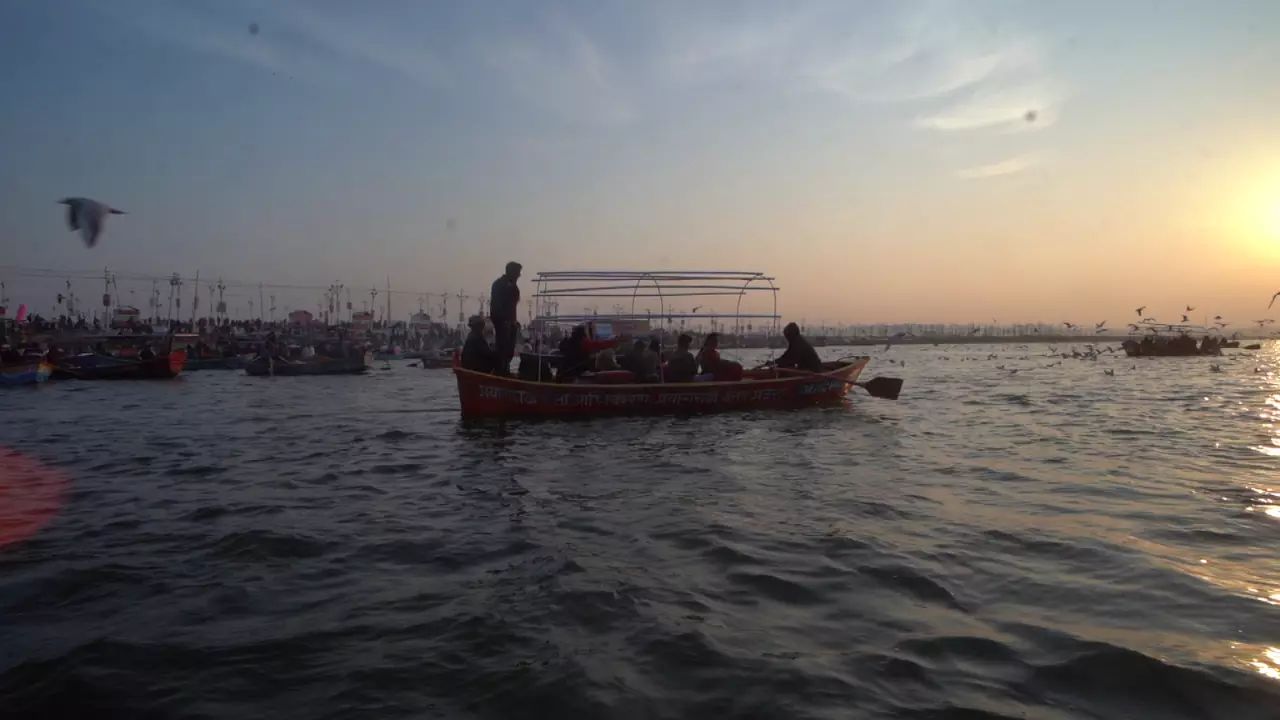
Prayagraj Junction is about 7 km from the Sangam and Prayagraj Rambagh about 4 km. Bamrauli airport is 14 km. On ordinary days an auto costs ₹80 to ₹120 from the Junction and takes 20 to 35 minutes.
On and around the snan days none of that holds. The administration closes routes, diverts traffic and sets up parking well outside the Mela area, and the last stretch is on foot regardless of what you have booked. Budget an hour or more from the station on a bathing day, and expect to walk two to four kilometres at the end of it. Book rail well ahead; trains into Prayagraj fill weeks before Mauni Amavasya.
Travelling with elderly parents
This is the most common reason a Magh Mela trip goes badly, and almost all of it is avoidable with a few decisions made in advance.
- Avoid the amavasya. The single biggest thing you can do. The crowd on 6 February is not navigable at an unhurried pace.
- Stay on the correct bank. Accommodation on the wrong side of the river turns a short trip into a long one every day.
- Carry the medicines and the prescriptions. Pharmacies near the Mela ground are crowded and may not stock a specific brand.
- Plan for cold. January and February nights in Prayagraj fall to single figures, and the ground is damp sand near the water.
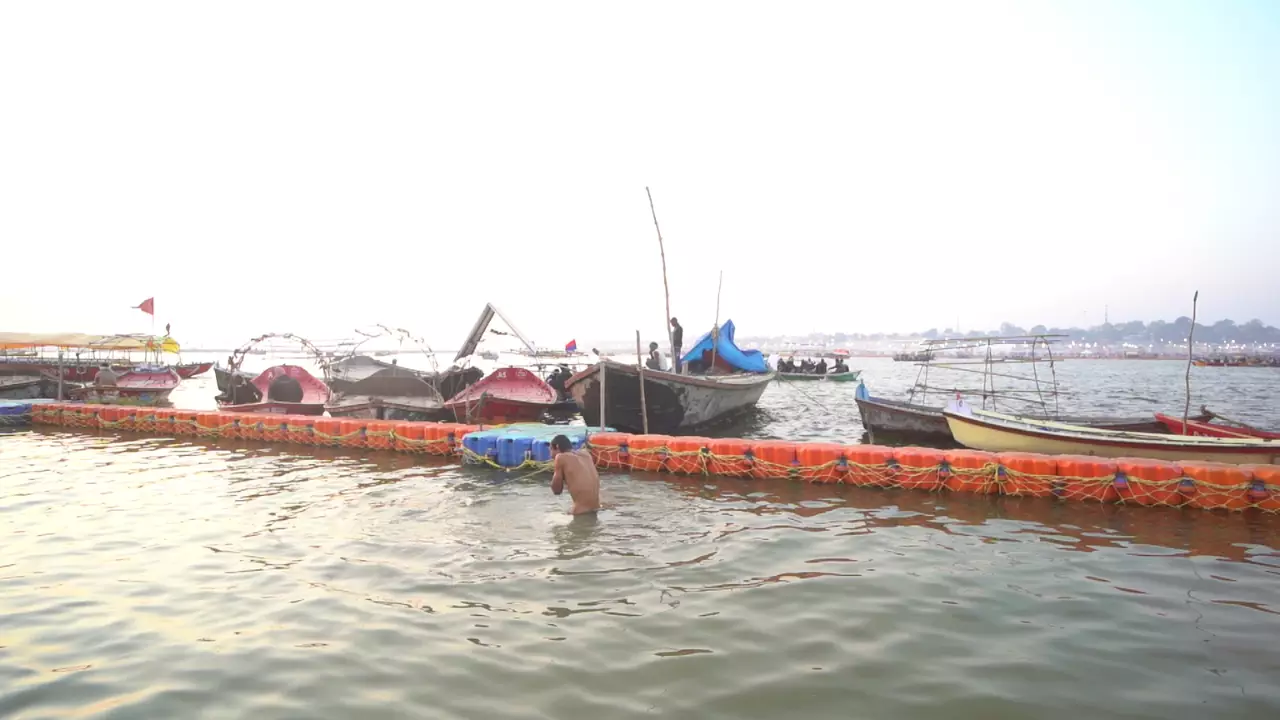
- Bathe from a boat rather than the steps. The ghat steps are wet, uneven and crowded. From a boat at the confluence there is one step down into the water and someone holding the boat.
- Fix the pandit before arriving. Negotiating a rite on the ghat with an elderly parent waiting is the situation to design out of the trip.
Five things that go wrong at the Mela
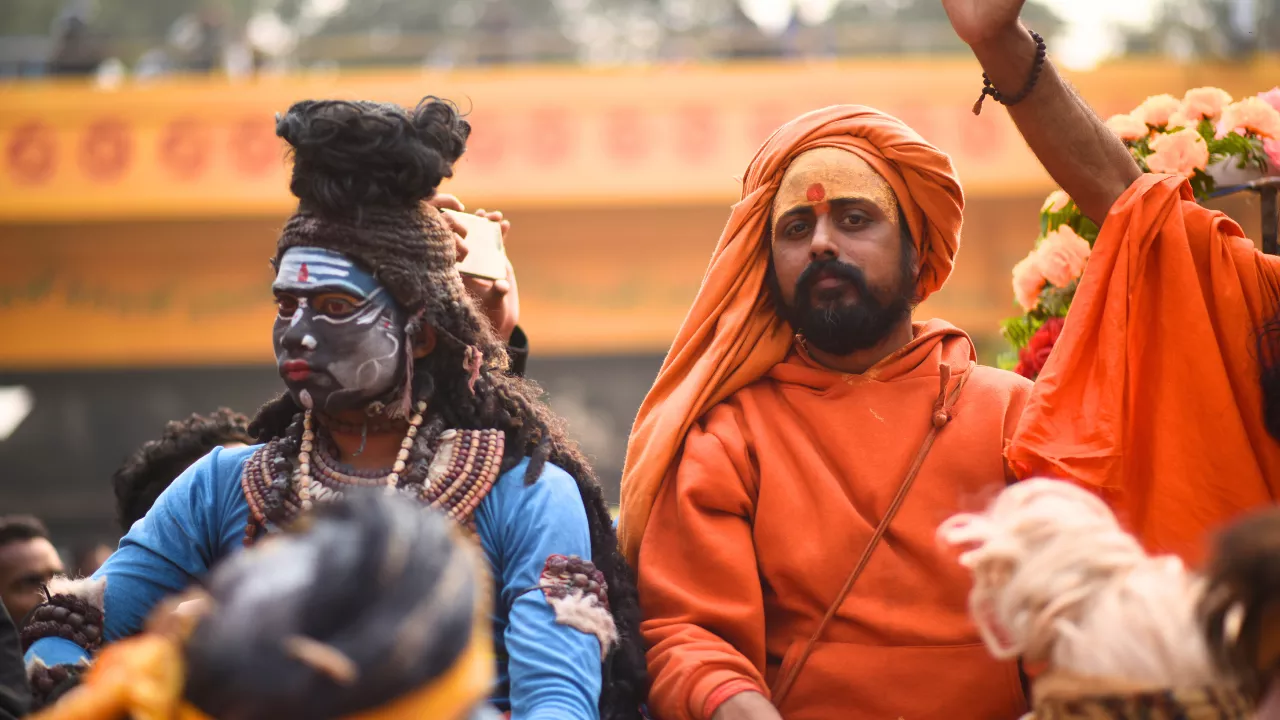
Large crowds and short stays make the Mela a good place to be overcharged. These five account for most of it.
- Tents booked online that do not exist. Pay only to an operator you can verify, and be suspicious of a listing with no fixed address and only a mobile number.
- The fare renegotiated mid-river. Agreed at the ghat, then raised once the boat is out at the confluence. Fix the fare and the return before boarding, and prefer a boat arranged through whoever is conducting your rite.
- The sankalp that keeps growing. A rite begun at one figure, with additions named while it is under way and the family unable to refuse in the middle. Agree the whole thing in writing beforehand.
- Paid VIP darshan and priority passes. There is no official paid queue at the Sangam snan. Anyone selling one is selling nothing.
- Guides who are commission agents. Someone attaching themselves to your group at the station and steering you to a particular shop, hotel or pandit.
Adding Varanasi and Ayodhya
Many families make the Mela the first stop of a longer circuit, and the geography is convenient: Varanasi is 125 km from Prayagraj on NH19, about two and a half hours, and Ayodhya is 165 km, about three and a half. A six-day trip covering all three is comfortable at two nights each.
Do the Mela first. The snan dates are fixed and everything else can move around them. Varanasi adds the Ganga aarti at Dashashwamedh and the Kashi Vishwanath darshan; Ayodhya adds the Ram Janmabhoomi temple and Hanuman Garhi. If your reason for travelling is an ancestral rite rather than the circuit, our guide to Prayagraj covers the city on its own.
Having a rite performed during the Mela
Most families who contact us about the Magh Mela want one of two things: an ancestral rite at the Sangam while they are there, or a daan offered in their name whether or not they can travel.
| Rite | From | In person or remote |
|---|---|---|
| Tarpan | ₹5,100 | Either |
| Pind Daan | ₹7,100 | Either |
| Shradh | ₹7,100 | Either |
| The six daans | ₹2,100 | Either. See the Magh Mela daan guide |
A booking includes a Shastri-qualified pandit, the boat to the confluence where the rite needs one, all samagri, the Sankalp with your gotra and your ancestors’ names, and a consultation before the day. It does not include travel, accommodation or professional photography. A pandit calls you within two hours of booking.
🙏 Book Pind Daan at the Magh Mela
- Shastri-qualified pandit at the Triveni Sangam
- Boat, samagri and Sankalp with your gotra included
- Pandit calls you within 2 hours of booking
Book early for the snan days. Mauni Amavasya is spoken for weeks in advance, and there is a limit to how many families one pandit can serve properly on a single morning.
Common questions
Is the Magh Mela the same as the Kumbh Mela?
No. The Magh Mela is held annually at Prayagraj. The Ardh Kumbh comes every six years and the Maha Kumbh every twelve, at the same ground and on a far larger scale. A Magh Mela year is the ordinary year.
Which is the single most important bathing day?
Mauni Amavasya, 6 February 2027. It draws the largest crowd of the Mela and the tradition holds the day in silence, which is where the name comes from. It is also the hardest day to move around.
Do I need to bathe on a snan day for it to count?
No. Any bath at the Sangam during the month of Magh carries the benefit the scriptures describe. The six days concentrate it. If crowds are a problem, an ordinary Magh morning is a real option and not a lesser one.
When does the 2027 Mela ground open?
The tent city is built through December and is usually functional a few days before the first snan. Confirm with your accommodation before travelling for the opening date, since the administration sets it each year.
Magh comes once a year and the six days are fixed. If you know which one you are coming for, tell us the date and the names and we will have the pandit and the boat ready: Pind Daan at the Triveni Sangam.
Book Your Sacred Ritual
Authentic ceremonies performed by Veda-trained pandits at sacred sites across India.



