Pitru Dosha should not be concluded from ordinary hardship alone. First understand your family’s circumstance and any instruction already received. Then choose the particular ancestral rite that belongs to that guidance.
Gaya Kshetra·Family-specific Sankalp·Via live video conferencing
Guidance comes before bookingNot every difficulty calls for the same rite
Guidance before bookingThe family circumstance comes first
Rites performed in GayaAt the location named in the package
Live family participationJoin the Sankalp from abroad
No worldly guaranteesSteady guidance without fear
A calm place to begin
Has a particular rite already been advised?
The same words can be used loosely for very different family situations. A clear instruction is more useful than a list of symptoms found online.
When guidance already exists
Share the exact instruction before choosing a package
If an elder, family priest or trusted astrologer has named a rite, tithi or place, keep those words intact. We can then confirm whether the corresponding Gaya arrangement is available.
Name the rite exactly as it was prescribed
Share the tithi and Gaya instruction, when given
When no rite has been prescribed
Begin with family history, not fear
Do not select Narayan Bali or Tripindi Shradh only because work, money, health or relationships feel unsettled. Explain what the family knows and let the intended observance be understood first.
Keep ancestor names and relationships ready
Say openly when a detail or tithi is uncertain
What the term means on this page
Pitru Dosha Pooja begins with remembrance and responsibility
Here, the phrase describes a family seeking an appropriate ancestral observance. It is not used as a frightening diagnosis or a promise of an instant worldly result.
Shraddha and remembrance
The intention is to remember the ancestors sincerely and perform the family duty with the prescribed offerings.
The family context matters
Tithi, gotra, names, relationships, earlier rites and any family instruction help the pandit understand what is intended.
No guaranteed outcome
A traditional ceremony may be approached with faith, but it should not be sold as a guaranteed cure for career, finance, health or family concerns.
ॐ
A reminder from the tradition
Let kartavya, not anxiety, guide the family
The Garuda Purana, Acara Kanda 83.40–41, describes the Gaya pilgrim placing the pinda before Janardana. For a family, this points first to remembrance and kartavya. The rite should therefore be chosen after the family circumstance is understood.
Four distinct Gaya arrangements
These ancestral rites are not interchangeable
Read the purpose before the price. A more elaborate package is not automatically more suitable for your family.
Principal ancestral offering
Pind Daan
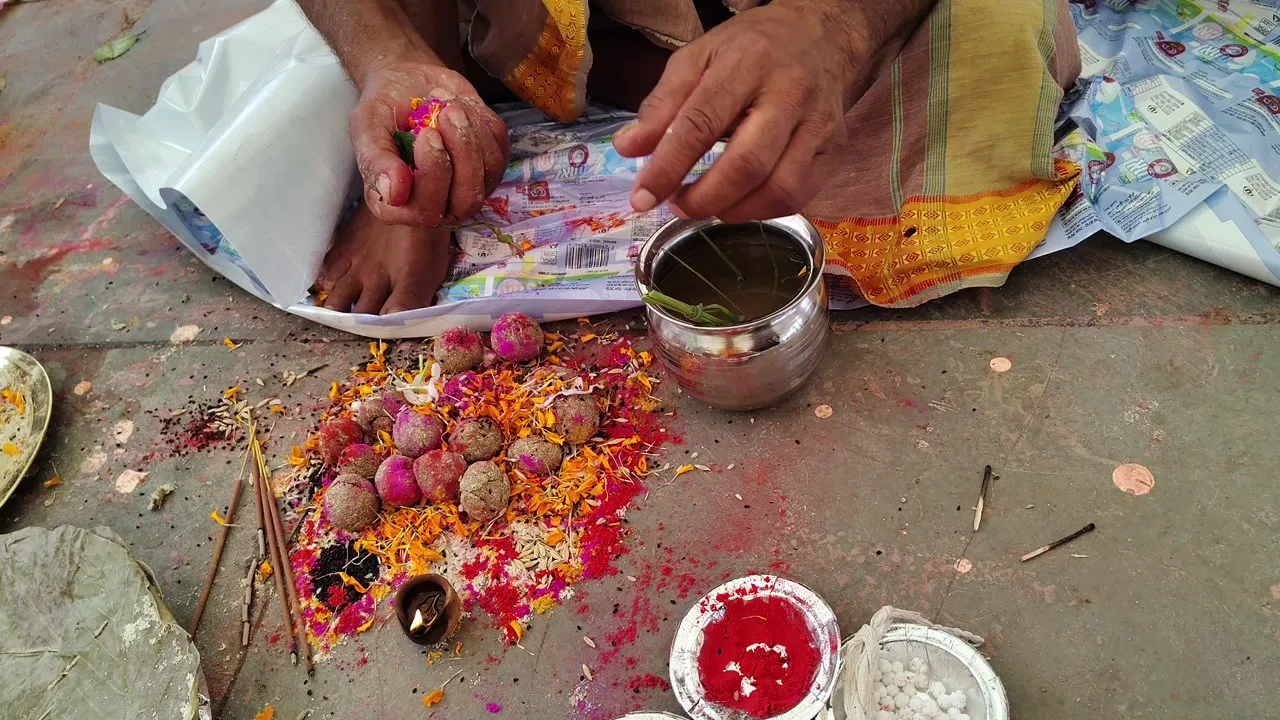
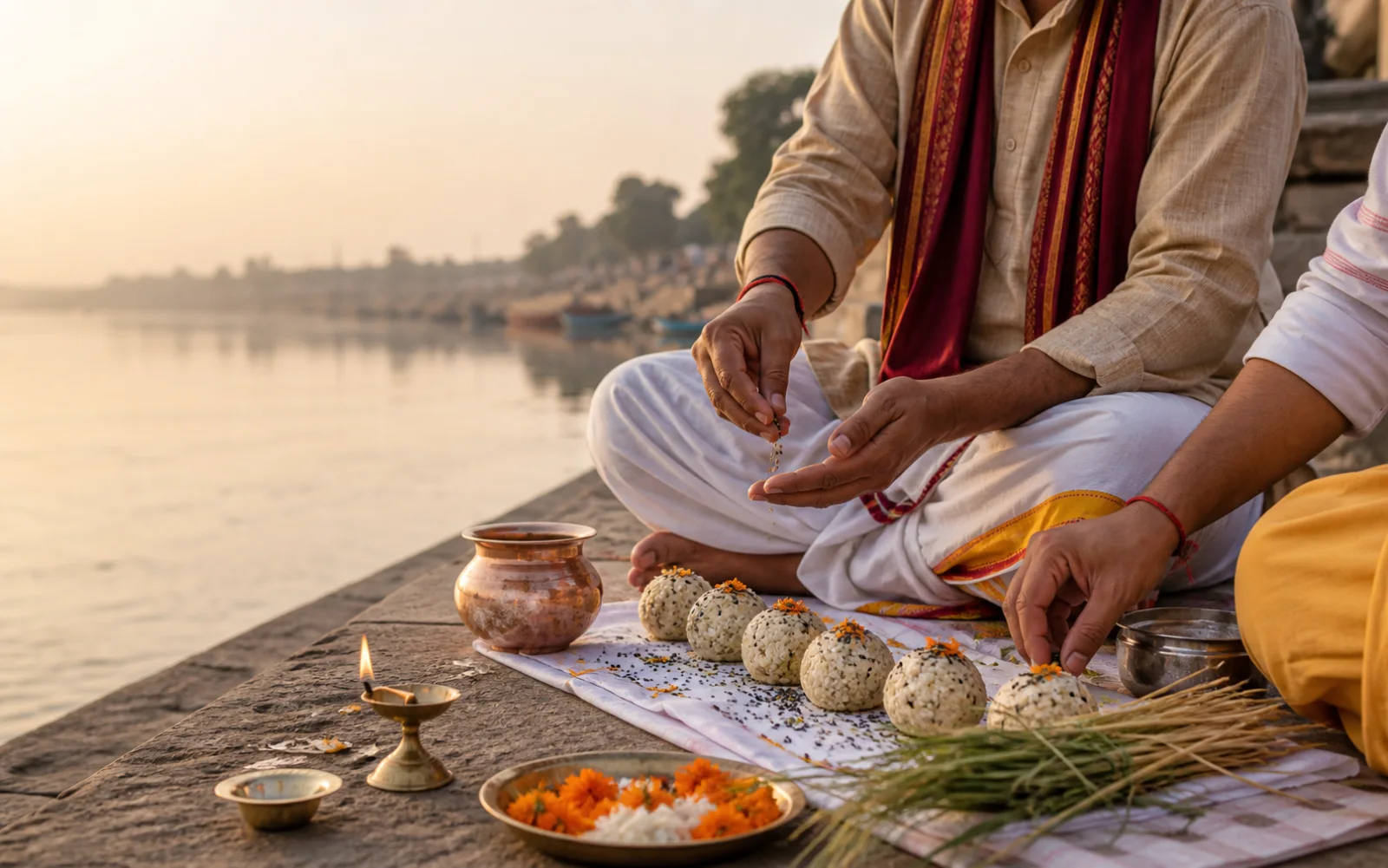
Pinda offerings are made with the family Sankalp at Gaya. Choose it when Pind Daan is the ceremony your family intends.
When specifically advised
Tripindi Shradh
A separate corrective rite. It should be selected when Tripindi Shradh has been understood or prescribed, not as a default upgrade.
For a particular circumstance
Narayan Bali
An exceptional and distinct ceremony. Confirm that Narayan Bali is truly the intended rite before arranging it.
Yearly family remembrance
Annual Shradh
For the annual Shradh tithi or the remembrance observed by the family according to its own tradition and guidance.
When the intended rite is clear
Online Gaya sevas for NRI families
Each ceremony is performed physically in Gaya. Your family joins the Sankalp and principal steps from abroad via live video conferencing.
International paymentPayPal checkout available·International cards accepted
Unsure which seva belongs to your family? Read the distinctions above first. Choose Tripindi Shradh or Narayan Bali only when that particular rite has been understood.
Pind Daan
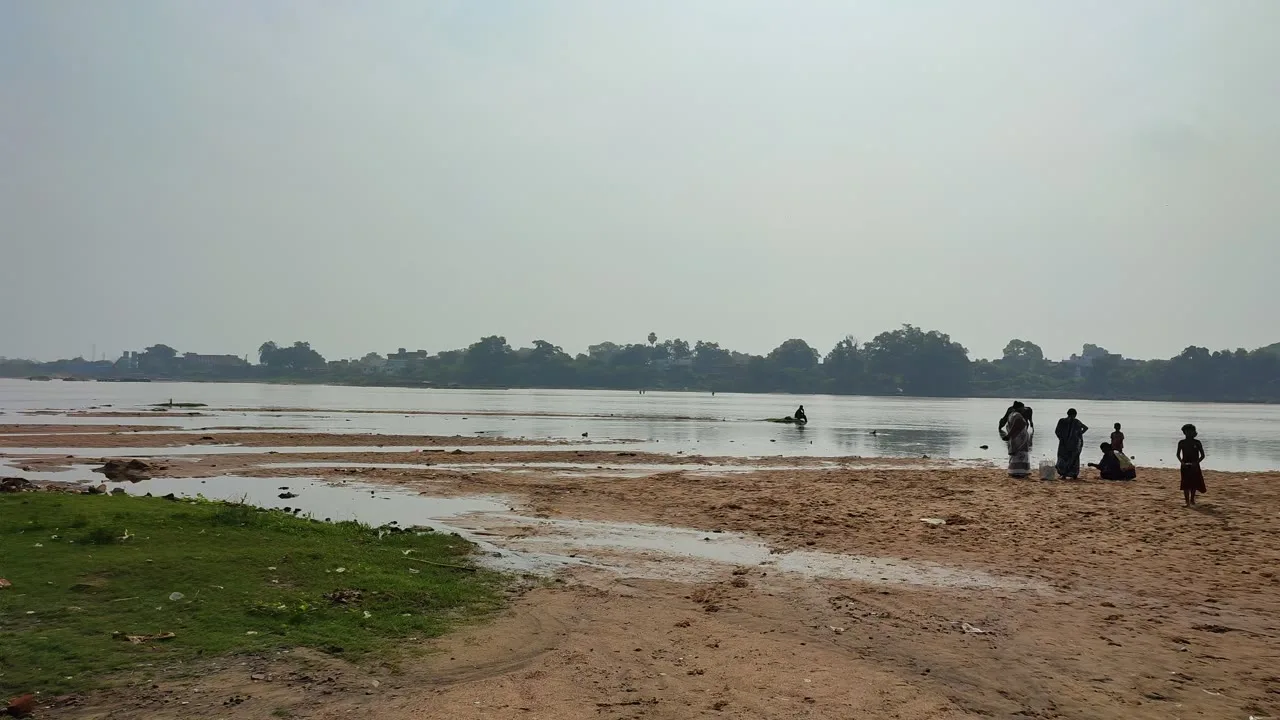
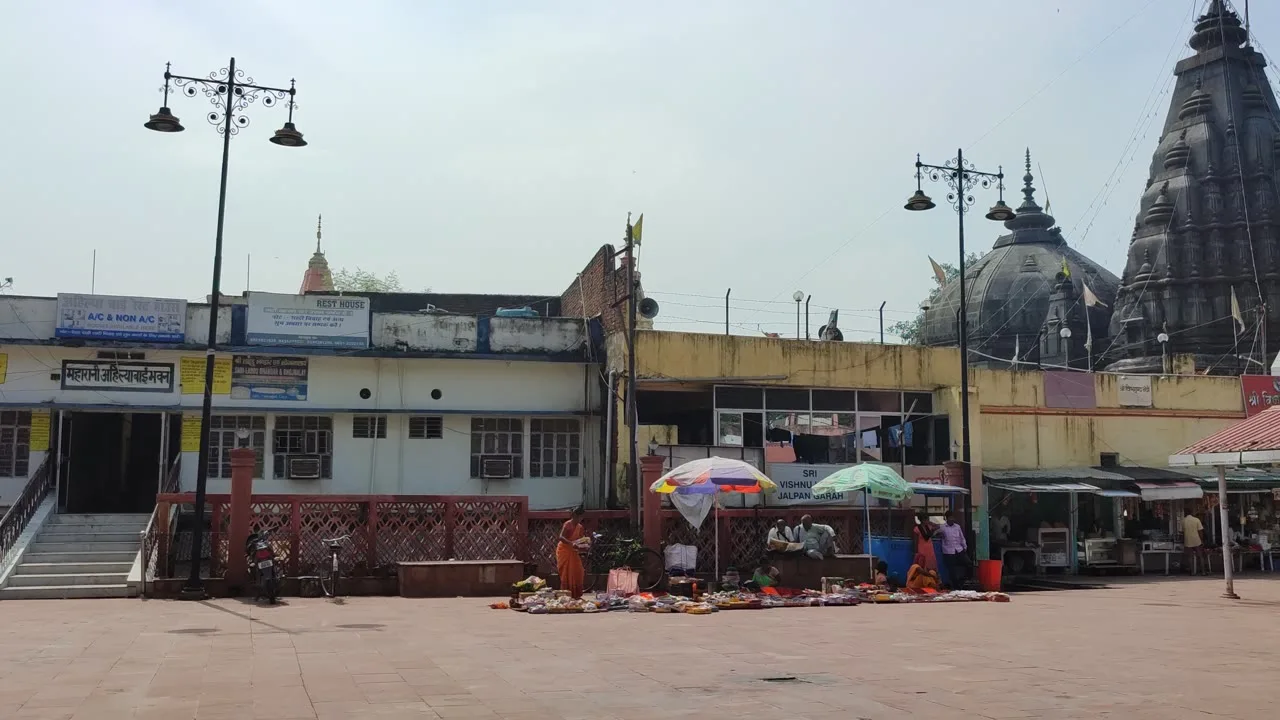
Vishnupad or Phalgu area, Gaya
Online Pind Daan in Gaya
For families seeking the principal Pind Daan offering in Gaya Kshetra.
Pandit, listed samagri, family Sankalp and live participation
The ceremony remains rooted in Gaya. The online arrangement simply allows relatives abroad to participate at the confirmed time.
Share the family details
Tell us what is known
Provide the intended rite, ancestor names, relationships, gotra if known, tithi and any instruction already received.
Confirm the arrangement
Settle the rite and timing
The Gaya location, package scope and Indian ceremony time are confirmed before the family prepares to join.
Join from abroad
Participate in the Sankalp
The pandit performs the selected rite physically in Gaya while the family joins via live video conferencing.
Before the rite is confirmed
Keep one clear family record
One family coordinator can gather the known details and receive the confirmed Indian ceremony time. Uncertain information should be discussed openly rather than filled in by guesswork.
Questions NRI families often ask
Clear answers about Pitru Dosha Pooja
These answers are a starting point. A particular family instruction should always be shared before the rite is chosen.
Does every continuing difficulty mean that our family has Pitru Dosha?
No. Career, financial, health or family difficulties by themselves do not establish Pitru Dosha. If a family priest, elder or trusted astrologer has given a specific instruction, share it. Otherwise, begin with the family history and seek guidance without fear.
Which rite should an NRI family choose in Gaya?
Choose the rite that has actually been intended for your family. Pind Daan, Tripindi Shradh, Narayan Bali and annual Shradh are not interchangeable. When no rite has been prescribed, explain the family circumstances before booking.
Can our family join the ceremony from outside India?
Yes. The appointed pandit performs the selected rite physically in Gaya with the required samagri. Your family may join the Sankalp and principal ceremony steps at the confirmed Indian time via live video conferencing.
Is Narayan Bali required for every Pitru Dosha concern?
No. Narayan Bali is a separate rite for particular circumstances. It should not be presented as a universal remedy or selected only because ordinary life feels difficult. Confirm that this is the rite intended before booking it.
Must Pitru Dosha Pooja be arranged only during Pitru Paksha?
Pitru Paksha is an important period for ancestral remembrance, but the suitable tithi depends on the selected rite, the family tradition and any instruction already received. Share these details before the ceremony date is confirmed.
What should our family expect from the ceremony?
Approach the ceremony as shraddha, remembrance and family duty. Prayag Pandits arranges the selected rite, pandit, listed samagri, Sankalp and live participation. No responsible pandit should guarantee a career, financial, health or relationship result.
When the intended rite is understood
Proceed with a settled mind
Choose the Gaya seva that matches the family guidance, then review its current price and exact inclusions before booking.