
No rituals selected yet.
Browse Pooja Packages →Key Takeaways
In This Article
The night of Kartik Poornima is not merely a full moon — it is a celestial event overflowing with spiritual energy that our Puranas describe as unmatched by any other day in the entire Hindu calendar. The scriptures tell us that on this night, the Gods themselves descend to bathe in our holy rivers, and every act of devotion is magnified a thousandfold. Preparing your mind, body, and soul to participate in the Kartik Poornima rituals is the first step toward receiving these immense blessings.
In this guide, we will walk through every traditional observance — from the sacred disciplines to observe in the days leading up to the full moon, through the dawn rituals, the main puja, the Deep Daan, the charitable acts, and the moonlit night vigil. We will also address the practical question that many devotees living abroad face: how to participate fully in these ancient Kartik Poornima rituals when you are far from the holy rivers of Bharat.
The Foundation — Sankalpa, Discipline, and Purity
Before any ritual begins, the true observance starts within your heart. The Karttika Vrata — the month-long set of disciplines associated with the holy month — reaches its highest pitch on Kartik Poornima. Even if you have not been able to maintain the full month of disciplines, beginning your preparations a few days before the full moon is deeply meritorious.
The Sacred Resolve — Taking a Sankalpa
Your day of Kartik Poornima should begin with a formal Sankalpa — a conscious vow of sacred intention. Before your pre-dawn bath, pause in meditation and articulate your purpose: to perform the fast (Vrata) and all the day’s rituals for the pleasure of Lord Vishnu, the welfare of your family, and the purification of your own soul. Even the smallest act of charity or prayer done on this day with a clear Sankalpa yields eternal benefit.
When a Pandit performs a ritual on your behalf — as our Pandits at Prayag Pandits do for devotees living abroad — the Sankalpa is the pivotal act that directs all merit to you. The priest recites your full name, your father’s name, your gotra (ancestral lineage), and the names of family members, formally establishing your identity as the yajman (patron). This ensures every benefit of the ritual flows to you, wherever you are in the world.
Disciplines to Observe — Restraining the Senses
The Karttika Vrata calls for active self-restraint to deepen the spiritual state for receiving divine blessings:
- Dietary Discipline: On Kartik Poornima, avoid meat, liquor, honey, eggplant (brinjal), turnip, radish, and food cooked in another’s home (parānna). A diet of fruits, milk products, and foods prepared without salt (Phalahar) is recommended for those observing the fast.
- Mental Purity: Make a conscious effort to conquer anger, greed, and unrighteous thoughts. Keep your mind focused on the divine throughout the day. Speak only truth and avoid harsh words.
- Physical Simplicity: The tradition recommends avoiding oil applications on the body, maintaining celibacy (brahmacharya), and sleeping on a simple mat to curb attachment to bodily comfort.
- Spiritual Engagement: Spend the day in devotional activities — reading scripture, chanting, listening to the Bhagavata Purana, or serving in a temple. Every moment of conscious spiritual activity on this day multiplies in merit.
The Core Kartik Poornima Rituals — A Step-by-Step Guide
These are the sacred actions that are said to destroy all sins and bring immense blessings. It is for these Kartik Poornima rituals that devotees wait all year. Each one is a distinct act of devotion with its own scriptural basis, its own benefit, and its own beauty.
Ritual 1 — The Holy Bath (Ganga Snan) and Water Offerings (Tarpana)
The most important ritual of the entire Karttika month is taking a holy bath before sunrise — and on Kartik Poornima, this bath reaches its pinnacle of spiritual power.
Wake at Brahma Muhurta (approximately 4:00–5:30 AM). After dressing simply, take a bath. If you are near a holy river — the Ganga, Yamuna, Godavari, Narmada, Kaveri, or any river considered sacred in your region — bathe there. If not, mix a small quantity of Gangajal (Ganga water) into your bathwater and recite the Ganga Stotra as you bathe, mentally placing yourself on the banks of the Ganga.
After the bath, perform Tarpana — the offering of water libations. Cup your hands, fill them with water, and offer them while reciting the names of your ancestors, your Rishi lineage, and the Gods. The Tarpana offered on Kartik Poornima morning reaches the souls of your departed ancestors, bringing them peace and spiritual nourishment. This water offering connects the ritual to the ancient tradition of ancestral reverence that runs through the heart of Hindu spiritual practice.
Ritual 2 — Tulsi Puja and the Worship of the Sacred Plant
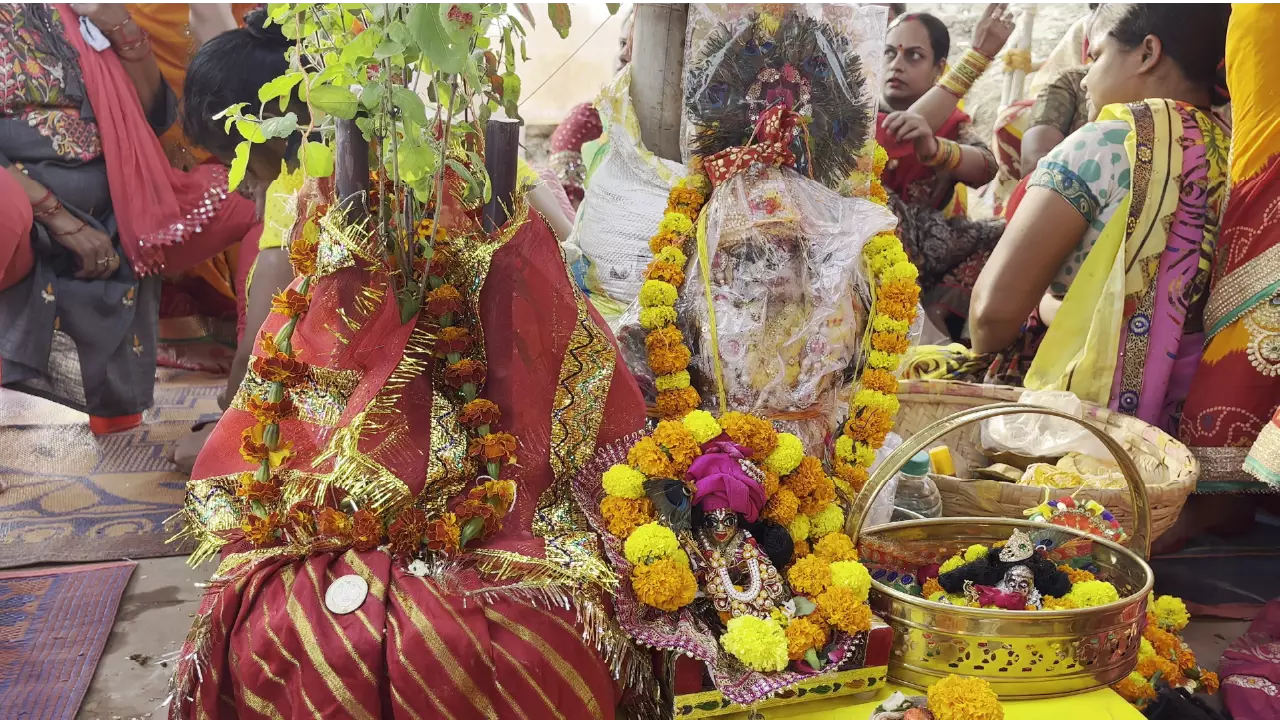
The Tulsi plant holds a special place in the Kartik Poornima rituals. The Padma Purana describes Tulsi as a living form of Goddess Lakshmi who took residence on earth for the benefit of all devotees of Lord Vishnu. On Kartik Poornima — and indeed throughout the month of Karttika — offering water, flowers, and a ghee lamp to the Tulsi plant each morning is an act of profound devotion.
The Tulsi Stotra should be recited, and the plant circumambulated (pradakshina) 108 times, or at least 3 times if time is limited. The belief is that a home with a Tulsi plant is always sacred ground, and a person who waters, worships, and circumambulates Tulsi on Kartik Poornima receives merit equal to performing a thousand pilgrimages. The sacred story of Tulsi Devi’s origins and her eternal union with Lord Vishnu makes this act even more devotionally meaningful during this season.
Ritual 3 — Vishnu Puja with Damodara Ashtakam and Satyanarayan Katha
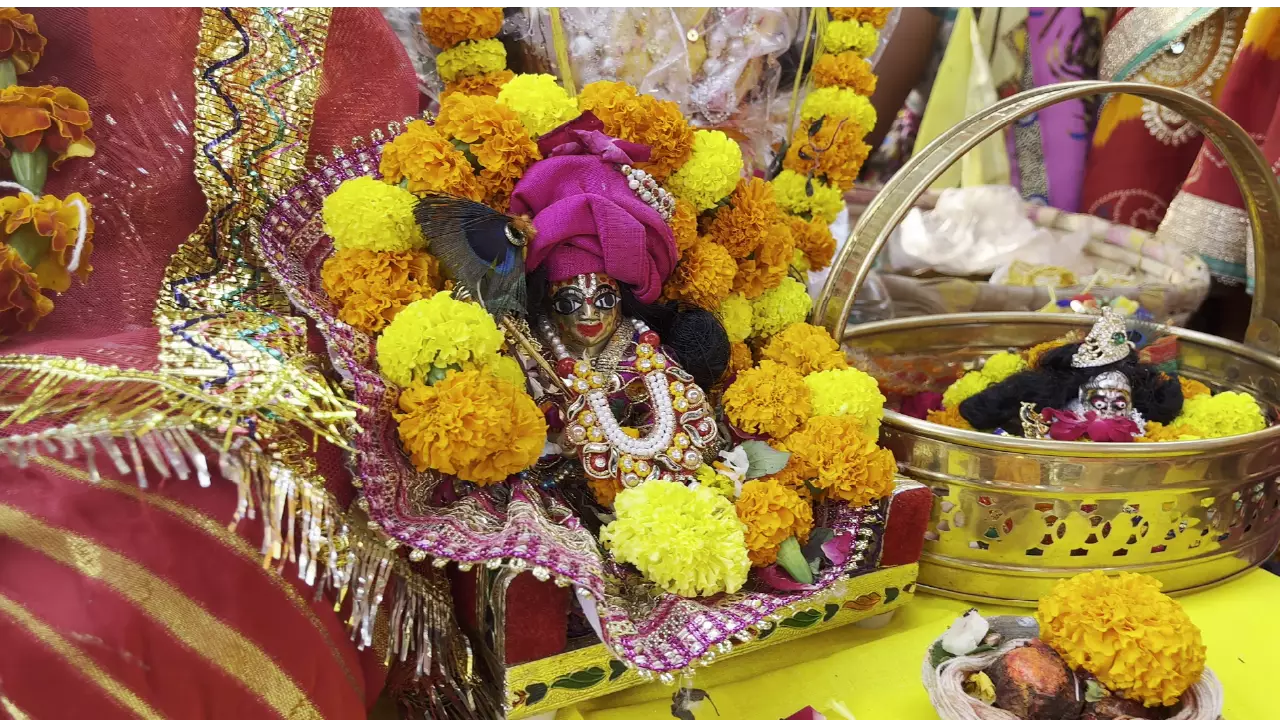
The main worship of the day is dedicated to Lord Vishnu in his Damodara form — the beloved child Krishna whom Mother Yashoda tied with a rope around his belly. This form represents the Lord’s willingness to be bound by the love of his devotee. The morning worship includes:
- Formal installation and purification of the puja space (asana shuddhi)
- Invocation of the Lord (avahan) into the idol or image
- Offering of the five elements: water (arghya), lamp (dipa), incense (dhupa), flowers, and food (naivedya)
- Recitation of the Damodara Ashtakam — eight sublime verses composed by Satyavrata Muni that are specifically prescribed for the Karttika month
- Recitation of the Vishnu Sahasranama or an abbreviated path of 108 names
The Satyanarayan Katha — the narrative of the Lord of Truth — is traditionally performed on Kartik Poornima in many households. When recited with proper Sankalpa, this Katha invites truth, prosperity, and divine protection into the home. Families performing this Katha together on Kartik Poornima create a spiritual atmosphere that lasts through the entire year.
Ritual 4 — Deep Daan — The Sacred Offering of Lamps
Deep Daan — the offering of light — is the defining ritual of Kartik Poornima. This is performed at sunset and continues into the night. Earthen diyas filled with pure ghee or sesame oil are lit with great ceremony.
The spiritual brilliance of Deep Daan during Karttika is described in extraordinary detail across the Puranas. A lamp offered to Lord Vishnu during Karttika grants the devotee wealth equal to all the three worlds. A lamp offered to Mother Ganga on this night carries the prayers of the living to the ancestors in the subtle realm. At the ghats of Varanasi during Dev Deepavali, hundreds of thousands of such lamps are lit simultaneously, creating a spectacular river of light that is counted among the most sacred and beautiful sights in the world.
For those who wish to participate in this ancient tradition but are far from Varanasi, Deep Daan at Ayodhya is another deeply meritorious option — the city of Lord Rama is filled with devotees lighting lamps on this night. Our online Deep Daan booking service allows you to have lamps lit in your name on the ghats of Varanasi or Prayagraj, with the Sankalpa recited before every set of lamps offered.
Deep Daan Vidhi — The Correct Method of Offering Lamps
1. Use earthen diyas (not glass or metal) filled with pure cow ghee or sesame oil.n2. Place a cotton wick pointing toward the northeast (Ishanya corner).n3. Light the lamp during the puja with a prayer: ‘Dhiyam no dehi’ — O Lord, grant us divine intelligence.n4. Place lamps before the deity, near the Tulsi plant, at the entrance of the home, and near the river.n5. Do not blow out the lamp with your breath — let it burn out naturally or extinguish with a fan.n6. Float additional lamps on a river or pond as an offering to Mother Ganga and the Pitrus.
Ritual 5 — Charitable Giving (Daan)
The Skanda Purana is emphatic: charity given on Kartik Poornima guarantees merit that never diminishes. The act of selfless giving (Daan) on this day pleases Lord Vishnu immensely. The following forms of Daan are specifically mentioned in the Puranas as highly meritorious on Kartik Poornima:
- Anna Daan — Donating food, especially to the hungry and to Brahmins
- Brahmin Bhoj — Hosting a meal for Brahmins; one who does so is said to feed Lord Vishnu himself
- Vastra Daan — Gifting warm clothing (particularly relevant as winter approaches)
- Dipa Daan — Donating ghee or oil lamps for a temple to burn throughout the night
- Jala Daan — Providing clean drinking water to pilgrims and the poor
Even a small, sincere act of charity on this day — giving food to a hungry person, donating warm clothes, or lighting a lamp in a temple — carries merit that the Puranas compare to offering a thousand cows. The intention behind the gift matters as much as the gift itself.
Ritual 6 — The Night Vigil (Jagarana)
The culmination of all Kartik Poornima rituals is the sacred night vigil — remaining awake under the full moon, engaged in continuous devotion. The scriptures are remarkable in their promise: a single night’s vigil on Kartik Poornima — even a few hours of sincere kirtan or prayer — relieves the sins of hundreds of previous births.
The night vigil may include:
- Devotional singing (kirtan) and chanting the Maha Mantra
- Listening to the recitation of the Bhagavata Purana or the Skanda Purana
- Reading or narrating the Kartik Mahatmya — the glories of the Karttika month
- Silent japa (mental repetition) of the Lord’s name while sitting in moonlight
- Collectively worshipping the moon, which is said to be overflowing with amrita on this night
Many devotees gather in temples and on riverbanks for collective kirtan through the night, creating an atmosphere of shared devotion that elevates all present. If you cannot stay awake the entire night, even maintaining the vigil from sunset until midnight is deeply meritorious.
The Bhishma Panchaka — Five Days of Supreme Karttika Merit
The Kartik Poornima rituals do not exist in isolation — they are the grand culmination of the Bhishma Panchaka, the last five days of the month of Karttika (the 11th through the 15th day of the bright half). This five-day period of intensified fasting and worship is named for the warrior-saint Bhishma Pitamaha, who is described in the Puranas as having observed this vow.
The Padma Purana teaches that observing sacred baths during even these final three days — the 13th, 14th, and 15th (Poornima) — grants the benefit of the entire month’s Karttika observance. This is the scriptural basis for the belief that even those who could not maintain the full month-long discipline can still receive extraordinary merit through sincere participation in the final days, culminating in a complete Kartik Poornima ritual observance.
Performing Kartik Poornima Rituals from Abroad — Our Online Seva
We understand the longing in the heart of every devout Hindu living abroad. You wish to take that pre-dawn bath in the Ganga. You wish to light your lamp on the ghats of Varanasi as the sun sets on this holy night. You wish to hear your name recited in a Sankalpa on the banks of a sacred river. The physical distance can feel like an insurmountable barrier — but it need not be.
The principle of Vikalpa in our tradition provides that when a devotee cannot personally perform a ritual due to genuine circumstance, having a qualified Pandit perform the ritual as their representative — with the devotee’s name and gotra in the Sankalpa — transfers the full merit of the ritual to the devotee. This is why our online puja and seva platform is not a compromise — it is a legitimate and scripturally supported path to receiving the blessings of Kartik Poornima.
What You Can Do at Home While We Perform the Seva
While our Pandits perform the Ganga Snan, Deep Daan, and Satyanarayan Puja on your behalf, here is what you can do from wherever you are to create your own sacred observance:
- Wake at Brahma Muhurta and take a purifying bath (with Gangajal if available)
- Light a ghee lamp before Lord Vishnu in your home temple or puja space
- Offer Tulsi leaves and recite the Damodara Ashtakam
- Chant the Vishnu Sahasranama or the Maha Mantra for at least one mala (108 repetitions)
- Make a sincere charitable donation to a temple, food bank, or local charity
- In the evening, watch or join (via video link) the Ganga Aarti being performed on your behalf
- Stay awake for at least a few hours after sunset, engaged in devotional activity
Complete Seva
🪔 Book Your Kartik Poornima Rituals Package
Starting from
₹5,100
per person
Frequently Asked Questions About Kartik Poornima Rituals
My child, preparing for the Kartik Poornima rituals is an act of devotion in itself. Follow the disciplines as best you can, but do not let distance or circumstance fill you with sorrow. The most important thing is your faith (shraddha). By choosing to have these rituals performed — whether personally or through a qualified representative — you are making a powerful statement of that faith. Let us at Prayag Pandits be your hands and feet on this sacred ground. Book your seva today, and rest assured that your prayers will be offered at the feet of the Lord on this most auspicious of nights.
Hari Om Tat Sat.
Frequently Asked Questions
What are the most important Kartik Poornima rituals to perform?
The three most important Kartik Poornima rituals are: (1) the pre-dawn holy bath (Ganga Snan) taken at Brahma Muhurta, (2) Deep Daan — the offering of ghee lamps to Lord Vishnu and Mother Ganga at sunset, and (3) the Sankalpa-based Vishnu Puja with the Damodara Ashtakam. Night Vigil (Jagarana) and Charitable Giving (Daan) are also highly meritorious. Together, these rituals constitute a complete Kartik Poornima observance.
Can I perform Kartik Poornima rituals at home if I cannot go to a river?
Yes. Add a small quantity of Gangajal to your bathwater and take your pre-dawn bath at home with the recitation of the Ganga Stotra. Set up a clean puja space, light a ghee lamp, and perform the Vishnu Puja with Damodara Ashtakam. Place a lamp near the Tulsi plant. You may float a lamp in a bucket of water or a local pond as a symbolic Ganga offering. Simultaneously, have Prayag Pandits perform the Ganga Snan and Deep Daan on your behalf in Varanasi.
What is the significance of Tarpana in Kartik Poornima rituals?
Tarpana — the offering of water libations to ancestors — is a key component of the Kartik Poornima morning rituals. The ancestors (Pitrus) are believed to be especially receptive to prayers and offerings during this holy day. The water offered with their names, combined with the merit of the holy bath and the sacred day, brings deep peace and spiritual satisfaction to the departed souls of your lineage. Families who could not complete their Pitrupaksha observances can perform sincere Tarpana on Kartik Poornima as a supplementary act of ancestral respect.
What should be offered in Deep Daan during Kartik Poornima?
The ideal Deep Daan uses earthen diyas (not glass or metal) filled with pure cow ghee with a single cotton wick. Sesame oil (til oil) is an acceptable alternative for the Ganga offering specifically. The lamp is lit with a wooden matchstick or a flame passed from an existing sacred lamp. The number of lamps ranges from 11 (for general well-being) to 101 or 251 (for specific vows or ancestral peace). Each lamp should be lit individually with a sincere prayer, not in bulk.
What mantras are to be chanted during Kartik Poornima rituals?
The Damodara Ashtakam is the most specifically prescribed mantra for Karttika rituals. The Vishnu Sahasranama yields immense merit when recited on this day. The Ganga Stotra is chanted during the holy bath. During Deep Daan, the mantra 'Om Namo Bhagavate Vasudevaya' is offered with each lamp. For the night vigil, the Maha Mantra (Hare Krishna Hare Krishna Krishna Krishna Hare Hare / Hare Rama Hare Rama Rama Rama Hare Hare) is universally recommended for continuous chanting.
How do online puja services work for Kartik Poornima rituals?
When you book Kartik Poornima rituals through Prayag Pandits, a qualified Pandit performs all the prescribed rituals on your behalf from the sacred ghats of Varanasi or Prayagraj. Before each ritual, your name, your father's name, your gotra, and your intention are stated in the Sankalpa — formally establishing you as the yajman (patron). The full spiritual merit of every ritual is thereby transferred to you. You receive a confirmation, a video of the Sankalpa, and sacred prasad posted to your address.
Book Your Sacred Ritual
Authentic ceremonies performed by Veda-trained pandits with video proof at sacred sites across India.
2,263+ families served
Video proof included
Since 2019
