अभी तक कोई अनुष्ठान नहीं चुना गया।
पूजा पैकेज देखें →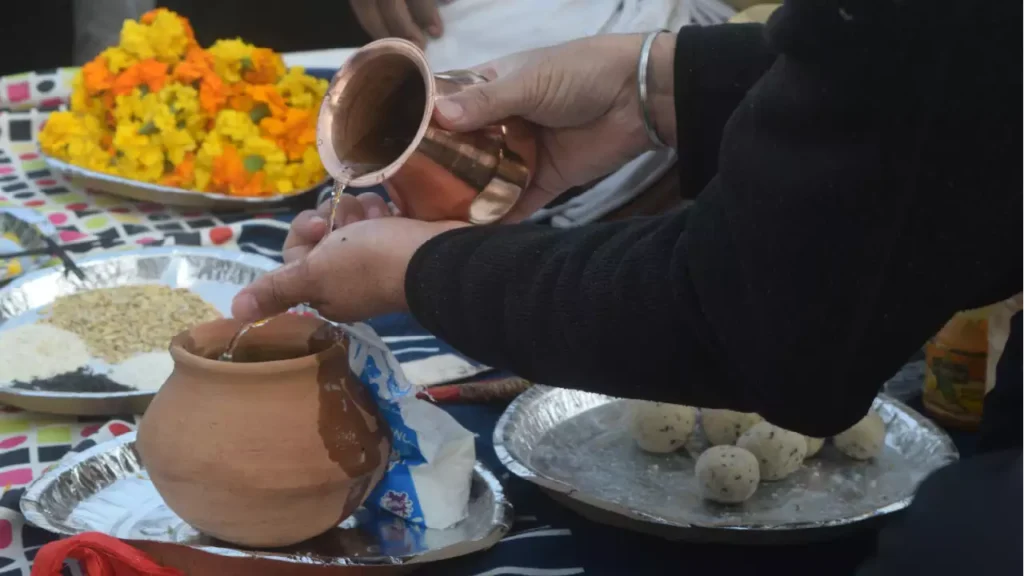
Book Asthi Visarjan in Puri Jagannath
₹5,100
₹8,500
40% off
प्रति परिवार · सब शामिल
सत्यापित पंडित
2019 से
सभी सामग्री शामिल
निःशुल्क रद्दीकरण
यह पूजा बुक करें
पहले हमें व्हाट्सएप करें
No hidden charges · Cancel up to 48hrs · GST invoice provided
परिवार हमें क्यों चुनते हैं
यह कैसे काम करता है
1
Book & Confirm Your Date
Select your preferred date and complete the booking. Our team calls you within 2 hours to confirm details.
2
Share Family Details
Provide gotra, departed soul's name, and any requirements. Don't know your gotra? Our pandits will help.
3
Ritual Performed at Sacred Site
A Veda-trained pandit performs the complete ceremony as per shastra at the designated holy teerth.
4
Confirmation & Documentation
Booking confirmation on WhatsApp. Digital documentation available on select poojas within 48 hours.
क्या शामिल है
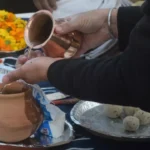
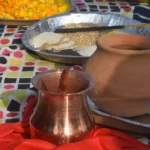
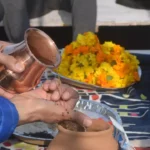
- Guided Ritual: Performance of the Asthi Visarjan ceremony at a sacred location in Puri.
- Priest Charges: Fees for the experienced Pandit guiding you through the rites are covered.
- Pooja Materials: All essential items (Samagri) needed for the ritual are included.
- Any voluntary extra offerings or tips you may wish to give to the priest.
इस अनुष्ठान के बारे में
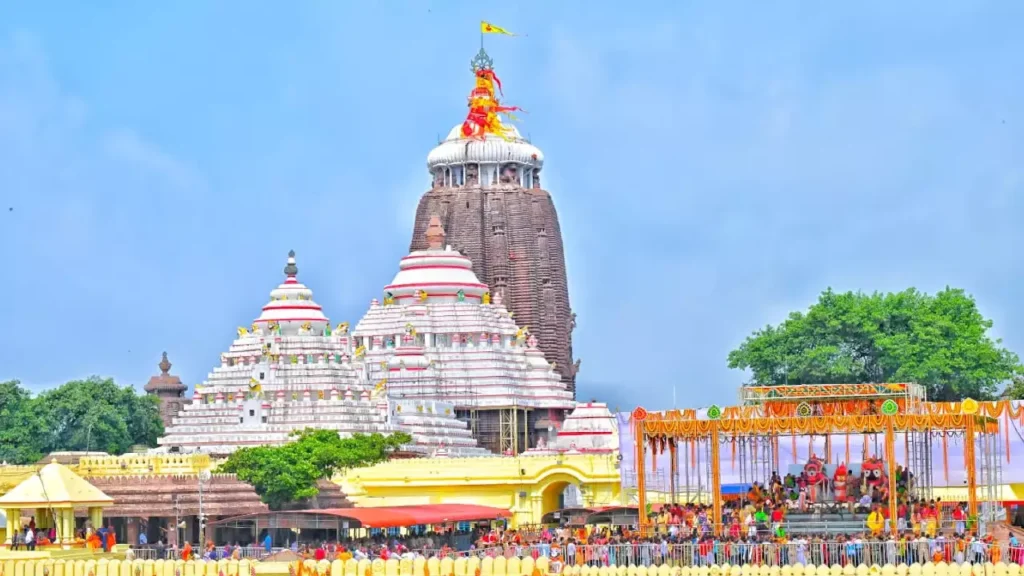
Asthi Visarjan in Puri Jagannath — Ash Immersion at the Gateway of Heaven
When a soul departs this world, the final act of love that living family members can perform is to carry the ashes — the last earthly remains — to a place so sacred that the very waters dissolve karma and open the path to moksha. Among all the holy tirthas of India, Puri Jagannath Dham stands in a class of its own for this sacred duty.
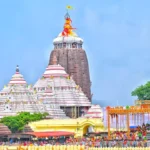
The ancient Skanda Purana, in its Utkala Khanda, declares Puri among the supreme moksha-kshetras — places where liberation from the cycle of birth and death is granted to souls whose ashes touch the Mahodadhi, the Great Ocean. This is not merely a geographical claim. The Lord who presides here — Jagannath, a form of Vishnu who is himself the destroyer of sins — is believed to personally accept the offerings made at his shore. Immersing the ashes of your departed loved one in these sacred waters, under his divine gaze, is an act of profound grace.
Our Asthi Visarjan service in Puri connects your family with Pandit Swayam Kesarwani, an experienced ritual specialist who has guided more than 3,000 families through last rites ceremonies. Every detail — from the sacred sankalp taken in the departed's name, to the immersion at Swargadwar Ghat, to the Tarpan and Pinda offerings, to the darshan at the Jagannath Mandir — is handled with the reverence and precision these rites deserve.
What Makes Puri Uniquely Sacred for Asthi Visarjan
Puri is one of the four Char Dhams — the four abodes of God that a devout Hindu is expected to visit once in a lifetime. It holds a status that no other pilgrimage city can entirely replicate. The spiritual weight of performing Asthi Visarjan here draws from three distinct and converging sources.
Swargadwar — The Gate to Heaven
The cremation ground at Puri is called Swargadwar, literally meaning "Gate to Heaven." This is not metaphorical language — the Padma Purana specifically names Swargadwar as a tirtha where the soul of the deceased passes directly into the higher realms. Traditionally, those cremated at Swargadwar are believed to receive mukti without needing further rites, but for those whose cremation happened elsewhere, bringing the ashes here and performing the immersion at this ghat carries comparable merit. Families from across Odisha and eastern India have followed this tradition for generations.
The Mahodadhi — The Sacred Ocean
The Bay of Bengal that washes Puri's shores is known in the scriptures as Mahodadhi, the Great Ocean. Unlike rivers, which flow and change, the ocean is considered in Vedic cosmology to be primordial and eternal — a symbol of the infinite into which the individual soul merges. The Skanda Purana's Vaishnava Khanda states that ash immersion in the Mahodadhi near Jagannath Dham cleanses the karma of seven generations, both preceding and following the deceased. This makes Puri Asthi Visarjan not just an act for the departed, but a blessing for the entire family lineage.
Lord Jagannath's Direct Presence
Jagannath is understood by Vaishnavas to be the supreme, formless Brahman made manifest — the lord who accepts all souls without distinction of caste, creed, or origin. His very name means "Lord of the Universe." When you perform Asthi Visarjan near his Dham, it is believed that Lord Jagannath himself accepts the offering of the soul. This is why pilgrims from Odisha, West Bengal, Jharkhand, Chhattisgarh, and increasingly from Maharashtra and beyond, choose Puri for this rite even when the deceased never visited the city in life.
What Is Included in This Service
- Experienced Pandit: Pandit Swayam Kesarwani, with 8+ years of specialization in Asthi Visarjan, Tarpan, Shradh Karm, and Pind Daan
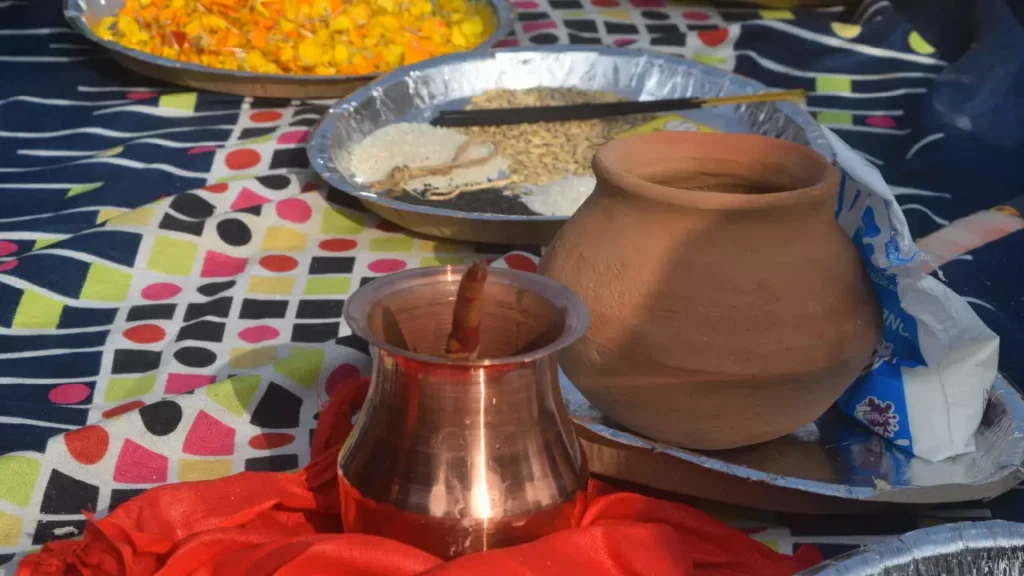
- Complete Puja Samagri: All ritual materials — sesame seeds (til), kusha grass, flowers, diyas, gangajal, milk, honey, and the full set of offerings required for the ceremony
- Sankalp: The sacred vow taken in the name of the departed, with full gotra, nakshatra, and family lineage details recited in Sanskrit
- Asthi Immersion at Swargadwar Ghat: Guided immersion of the ashes in the Mahodadhi at the designated sacred point
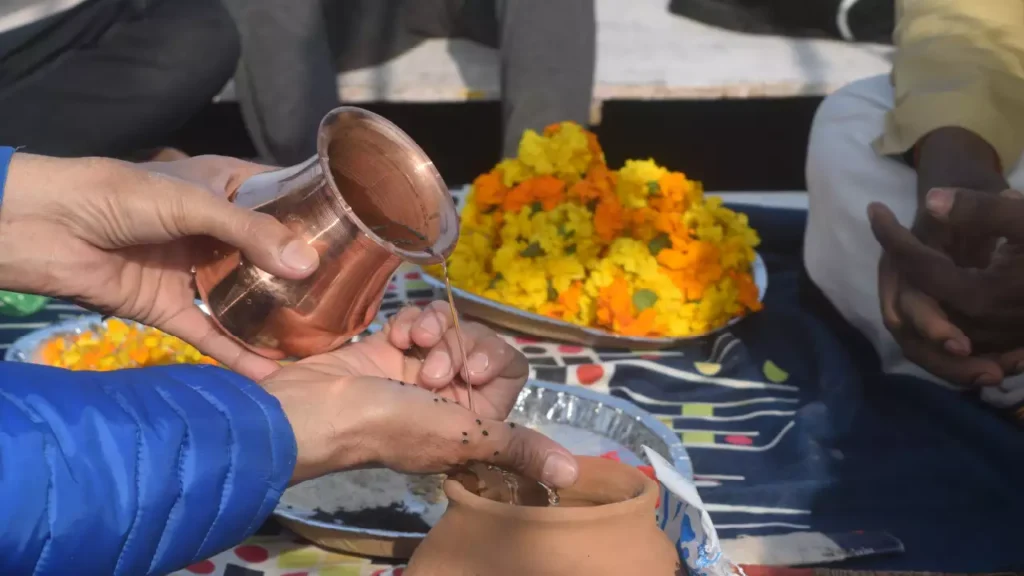
- Tarpan: The water offering to the ancestral soul with sesame and flowers, performed according to Vaishnava tradition
- Pinda Offering: Rice-flour pinda offered to the departed as sustenance for their onward journey
- Jagannath Temple Darshan Assistance: Your pandit will assist with arrangements for darshan at the Jagannath Mandir after the ceremony
What Is Not Included
- Travel to Puri: Flights, trains, or buses to reach Puri are not part of this package
- Hotel or Dharamshala accommodation in Puri
- Meals or Prasad expenses during the trip
- Gau Daan: Cow donation can be arranged but is not included in the base price
- Vishnu Sahashranam Path or additional extended rituals beyond the standard ceremony (can be quoted separately)
If you would like help finding affordable accommodation near the temple or need suggestions for nearby dharamshalas, our team is happy to guide you during the booking process.
The Ceremony at Puri — What to Expect on the Day
Many families who approach us have never performed Asthi Visarjan before. The grief of losing a loved one is already heavy enough; you should not have to figure out the ritual logistics on your own at a unfamiliar ghat in a new city. Here is exactly what the ceremony involves, step by step, so you can arrive at Puri with full clarity and peace of mind.
The ceremony typically takes between two and three hours from start to finish, depending on the size of the family and whether extended prayers are desired. It is best performed in the morning hours, ideally between sunrise and noon, when the tidal conditions at Swargadwar are gentle and the ghat is less crowded.
Preparing for Your Visit to Puri
A little preparation makes the journey significantly more comfortable and the ritual more focused. Here is what experienced families tell us helped them most.
- Carry the ashes in a clay or copper pot, not plastic. Most pandits and ghat authorities prefer traditional containers. If you must use a plastic seal for travel, transfer the ashes into a copper pot at your hotel before heading to the ghat.
- Book morning timing. The sea at Swargadwar is calmer in the morning and the ghat is less crowded. Afternoon tides can be rough, especially from June to September.
- Wear simple white or cream clothing. Bright colours and synthetic fabrics are considered inappropriate for last rites ceremonies. Dhoti and sari are traditional but clean cotton salwar or kurta-pyjama is accepted.
- Bring the departed's details in writing. Full name, father's name, gotra if known, date of birth or approximate age, and the nakshatra (birth star) if available. The pandit will need these for the sankalp.
- Plan for 3 to 4 hours at minimum. Account for the ghat visit, the ceremony, and the Jagannath darshan — trying to rush this in one hour will leave the family feeling unsatisfied.
- Non-Hindu entry to Jagannath Temple is restricted. If any family members are from a non-Hindu faith, they can wait at the temple's outer premises or at a nearby dharamshala. The pandit can bring prasad back for them.
- Inform our team of your travel dates at the time of booking. We arrange the pandit based on your schedule, so last-minute changes can sometimes be difficult to accommodate during peak pilgrimage months.
Frequently Asked Questions About Puri Asthi Visarjan
Can Asthi Visarjan be performed at any time of year in Puri?
Yes, Asthi Visarjan in Puri can be performed on any day of the year. There is no restricted period. However, some days are considered particularly auspicious — Ekadashi (the eleventh day of the lunar fortnight), full moon day (Purnima), Amavasya (new moon), and the entire Pitrupaksha fortnight in the month of Ashwin. If your travel dates allow flexibility, aligning the ceremony with one of these dates adds spiritual merit. That said, the rite is valid and complete on any day.
Is the Mahodadhi considered as sacred as the Ganga for this rite?
The Mahodadhi at Puri holds a unique position. The Ganga is primarily a river tirtha and its sanctity for Asthi Visarjan is Shaiva in tradition. The Mahodadhi is primarily a Vaishnava tirtha, blessed by the presence of Lord Jagannath. The Skanda Purana's Utkala Khanda explicitly states that ash immersion in the Mahodadhi near the Jagannath Dham grants moksha. For families following Vaishnava traditions — particularly families from Odisha, West Bengal, and parts of Bihar — the Mahodadhi at Puri is considered equal to or in some respects superior to the Ganga for this specific rite. Both are valid; the choice depends on your family tradition and the location of your primary devotion.
Who in the family should perform the Asthi Visarjan?
Traditionally, the eldest son or the chief male mourner performs the rite. However, shastric interpretation has evolved significantly, and daughters, sons-in-law, grandsons, and even close relatives of the same gotra may perform the ceremony if no son is available. In recent years, many families have daughters performing the rite where there are no male descendants, and our pandits are fully supportive of this. What matters is the sincerity of the offering and the correct sankalp, not the gender of the performer. Please inform us at the time of booking about the family's situation so the pandit can prepare the appropriate sankalp wording.
What documents do we need to carry to Puri for the ceremony?
You do not need any official government documents to perform Asthi Visarjan at Swargadwar Ghat. However, having the deceased's details written down is important for the sankalp: full name, father's name, approximate age, gotra (family lineage), and if known, the birth nakshatra. If the ashes were transported by train or air, keep the relevant acknowledgment paperwork with you in case it is asked for during transport, though at the ghat itself no paperwork is required.
Can the ceremony be performed for someone who passed away many years ago?
Yes, and this is in fact a common scenario. Many families were unable to perform the proper Asthi Visarjan at the time of death — due to distance, illness, financial constraints, or lack of awareness. There is no time limit in the shastras for performing ancestral rites. The Garuda Purana makes clear that the soul continues to benefit from rites performed sincerely, even years or decades after physical death. If you have ashes kept at home that you have been meaning to immerse, Puri is an excellent choice and Pandit Swayam will perform the ceremony with full ritual validity regardless of how much time has passed.
Related Services You May Also Consider
Many families who come to Puri for Asthi Visarjan also ask about performing ancestral rites at other tirthas, or about what to do in the subsequent days after the immersion. The following resources may help you plan more completely.
- Best Places to Do Asthi Visarjan in India — Comparing All 15 Sacred Tirthas: A detailed look at every major Asthi Visarjan location including Puri, Prayagraj, Varanasi, Haridwar, and Gaya, with their specific scriptural basis and ritual differences.
- Asthi Visarjan Poojan — All You Need to Know: A complete guide to the ritual itself — what happens, what is said, what items are needed, and what the different steps mean spiritually.
- Asthi Visarjan at Prayagraj in 2026: Procedure and Specific Locations: If you are considering performing Asthi Visarjan at Triveni Sangam in Prayagraj either instead of or in addition to Puri, this guide covers everything you need to know.
परिवार क्या कहते हैं 4.3
कूरियर से अस्थि भेजने का विकल्प बहुत सुविधाजनक है। टीम ने सब कुछ गोपनीय और सम्मानजनक तरीके से किया। विसर्जन के बाद फोटो और वीडियो भी भेजे। धन्यवाद प्रयाग पंडित्स।
बहुत भरोसेमंद और professional टीम है। अगली बार भी इन्हीं से सेवा लेंगे।
We performed Asthi Visarjan at Puri through Prayag Pandits. The ceremony was very peaceful and the pandit was extremely respectful during the entire process. The boat ride to the sangam…
The team was very sensitive to our emotions during this difficult time. The pandit performed every ritual with care and explained the significance in simple language. Truly grateful for this…
प्रयाग पंडित्स ने बहुत अच्छी सेवा दी। Booking से लेकर पूजा तक सब smooth रहा।
अस्थि विसर्जन की विधि बहुत शांतिपूर्ण तरीके से संपन्न हुई। पंडित जी ने पूरे मंत्रोच्चार के साथ विसर्जन कराया। नाव की व्यवस्था भी अच्छी थी। संगम पर पहुँचकर बहुत शांति…
Smooth experience from start to finish. The live video call gave us peace of mind that everything was done correctly.
The coordination was excellent. We received all details well in advance. The puja was performed exactly as described.
The Asthi Visarjan service was conducted with dignity and proper Vedic rituals. The pandit explained the spiritual significance of each step. The team also helped with accommodation recommendations.
Performed Book Asthi Visarjan in Puri Jagannath through Prayag Pandits. The pandit ji was very knowledgeable and explained every step of the ritual. Very satisfied with the experience.