
No rituals selected yet.
Browse Pooja Packages →
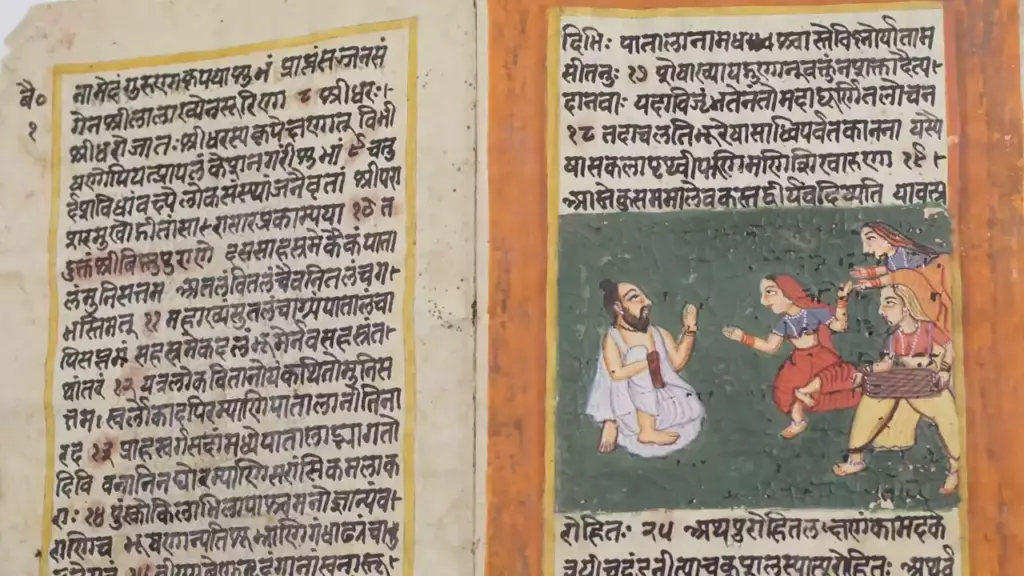
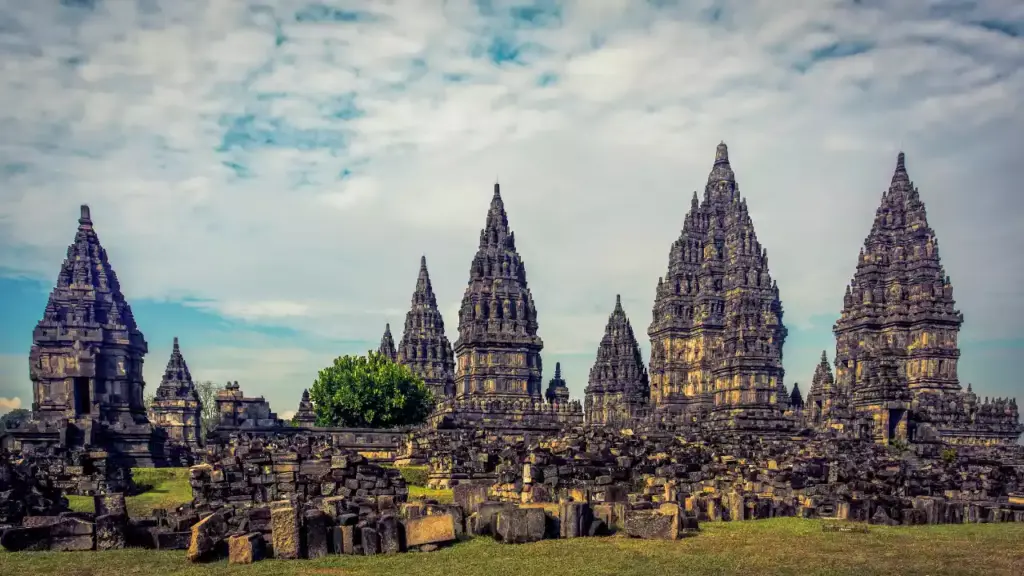
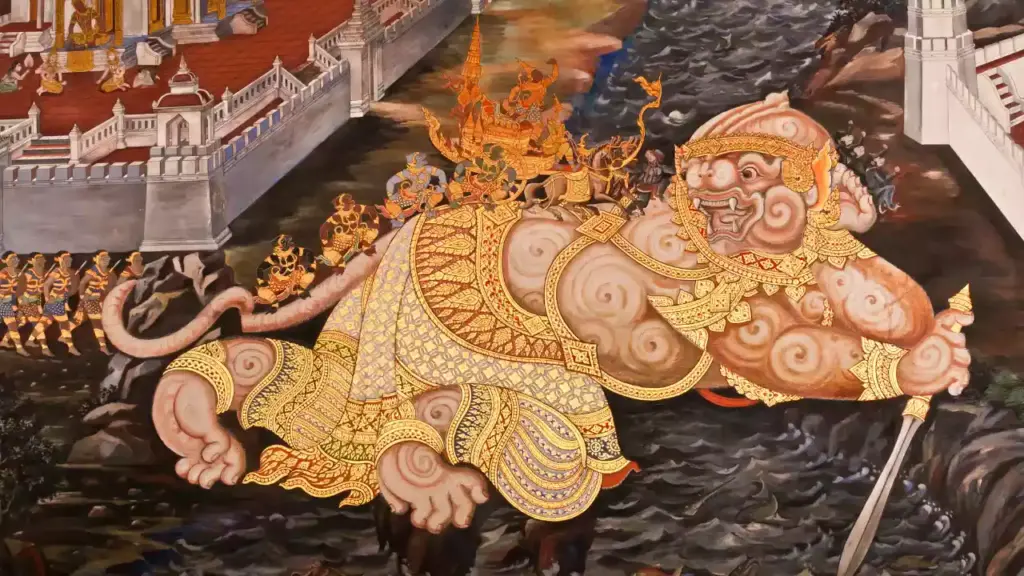
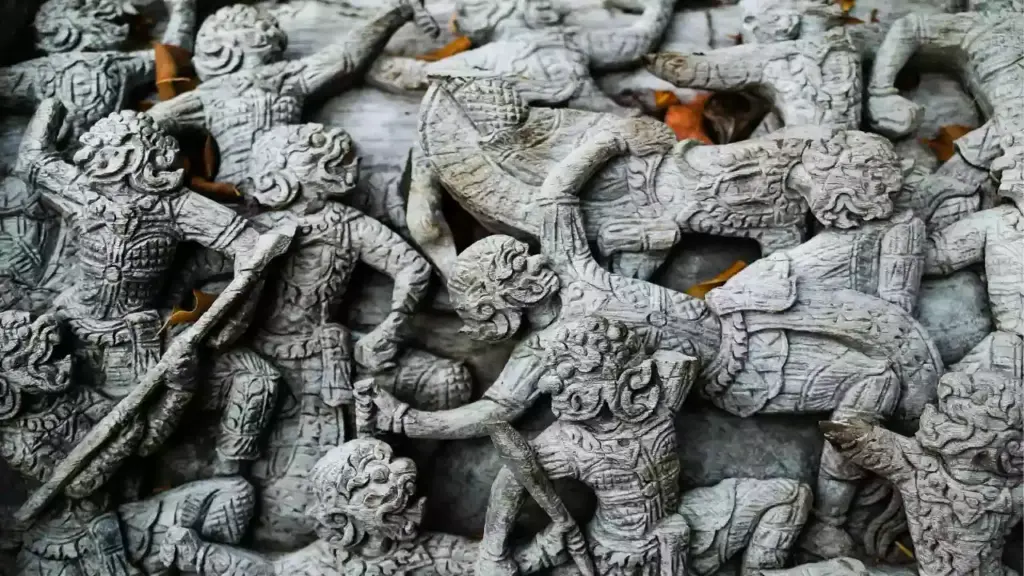
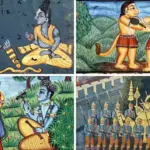
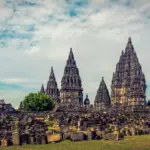
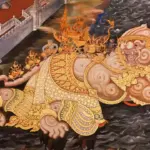
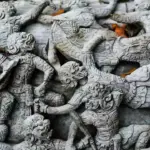
Ramayana Yatra Tour Package 10N/11D
₹45,000
₹50,000
10% off
per family · all-inclusive
Verified Pandits
Since 2019
All Samagri Included
Free Cancellation
Why Families Choose Us
How It Works
1
Book & Confirm Your Date
Select your preferred date and complete the booking. Our team calls you within 2 hours to confirm details.
2
Share Family Details
Provide gotra, departed soul's name, and any requirements. Don't know your gotra? Our pandits will help.
3
Ritual Performed at Sacred Site
A Veda-trained pandit performs the complete ceremony as per shastra at the designated holy teerth.
4
Confirmation & Documentation
Booking confirmation on WhatsApp. Digital documentation available on select poojas within 48 hours.
What's Included
- Accommodation: 10 nights in a hotel with meals (breakfast & dinner).
- Transport: All ground travel in a private AC vehicle, plus airport transfers.
- Services: A Hindi/English-speaking guide.
- Fees: All government taxes, tolls, and parking fees
- Personal Costs: Drinks, bottled water, laundry, and tips for the guide/driver.
- Lunch is not included.
- General: Anything not specifically listed under “Inclusions.”
- Insurance: Travel and rescue insurance.
About This Ritual
The Ramayana is not merely a scripture — it is a living geography. Every place Lord Rama set foot carries the memory of his presence, the resonance of his devotion to dharma, and the power to transform the pilgrim who arrives with sincerity. The Ramayana Yatra Tour Package traces that sacred geography across 10 nights and 11 days, taking you from the hallowed birthplace of Lord Ram in Ayodhya to the southern forests and temples that mark the great episodes of the epic. This is a pilgrimage journey that is also practically comfortable — with accommodation, intercity transportation, experienced pandits at each site, and organized puja at key temples included throughout.
At ₹50,000 per person, the Ramayana Yatra is one of the most complete spiritual travel experiences available for devotees of Lord Ram. Whether you are fulfilling a lifelong vow, accompanying elderly parents on a journey of a lifetime, or simply seeking the kind of peace that only sacred geography can offer, this package is structured to carry you through the entire arc of Ram's story — from birth to coronation, from exile to reunion.
The Story Behind the Journey
The Valmiki Ramayana describes events spread across the Indian subcontinent. Lord Ram's fourteen-year vanvas (exile) took him and Mata Sita from the Gangetic plains of Ayodhya southward through the forests of central India, into the Dandakaranya forest region, further south to Panchavati on the Godavari river near Nashik, and ultimately to Lanka. His return journey passed again through these sacred stops. Each place holds a specific episode — a specific grace. Visiting them in sequence, as this Yatra does, allows the pilgrim to experience the story not as history but as living darshan.
Day-by-Day Itinerary
Day 1 — Arrival in Ayodhya
Your journey begins in Ayodhya, the birthplace of Lord Ram and one of the seven Mukti-dayini (liberation-bestowing) cities of Hinduism. After check-in and rest, the evening is devoted to the famous Saryu Aarti on the banks of the Saryu river — a deeply moving experience that sets the spiritual tone for the entire yatra. Your assigned pandit from Prayag Pandits will meet you here and remain with the group throughout the journey.
Day 2 — Ayodhya Darshan
Full day in Ayodhya covering the major sacred sites: Ram Janmabhoomi and the newly consecrated Ram Mandir (January 2024), Kanak Bhawan — where Mata Sita and Lord Ram are worshipped in gold ornaments, Hanuman Garhi — the fort-temple of Lord Hanuman who guards Ayodhya, Dashrath Mahal, Sita Rasoi, and the Ramkot area. A special puja is performed at Ram Janmabhoomi with the guidance of your pandit, who will explain the significance of each temple and perform the proper rituals on your behalf.
Day 3 — Travel to Prayagraj | Triveni Sangam and Bharadwaj Ashram
Morning drive to Prayagraj (approximately 3-4 hours). According to the Ramayana, Lord Ram, Mata Sita, and Lakshmana crossed the Ganga at Shringaverapura (near Prayagraj) before proceeding south on their vanvas. The Triveni Sangam — the meeting point of the Ganga, Yamuna, and the unseen Saraswati — was visited by the divine trio, and it is here that the sage Bharadwaja had his renowned ashram. Ram spent time at Bharadwaj Ashram receiving guidance before proceeding toward Chitrakoot. You will visit Triveni Sangam for a boat ride and puja, followed by Bharadwaj Ashram. Learn more about Prayagraj's spiritual significance here. Evening check-in at Prayagraj accommodation.
Day 4 — Travel to Chitrakoot
Morning drive to Chitrakoot (approximately 3-4 hours). Chitrakoot is arguably the most emotionally significant stop on the entire Ramayana Yatra. Lord Ram, Sita, and Lakshmana spent eleven-and-a-half years of their exile here — the longest at any single location. It was at Chitrakoot that Bharata arrived with the sandals of Ram, refusing to sit on the throne, and placed them on the seat of Ayodhya instead. The entire Bharat Milap episode unfolded here. Afternoon puja at Ramghat on the Mandakini river, followed by a circumambulation of Kamadgiri — the sacred hill believed to be Lord Ram's physical form.
Day 5 — Full Chitrakoot Darshan
A full day exploring Chitrakoot's many sacred sites: Bharat Milap Temple (where the famous farewell between Ram and Bharata took place), Sphatik Shila (the crystal rock where Mata Sita sat and a crow wounded her foot, prompting the first use of the Brahmastra by Ram), Hanuman Dhara (a natural spring believed to have been created by Ram to cool Hanumana after Lanka was burned), Gupt Godavari (twin caves associated with Ram's court), and Janki Kund. This is a day of deep immersion — your pandit will narrate the Ramayana episodes at each location.
Day 6 — Travel to Varanasi | Kashi Vishwanath and Tulsi Manas Temple
Morning drive to Varanasi (approximately 5-6 hours from Chitrakoot). While Varanasi is primarily Shiva's city, it holds deep Ramayana connections. The Tulsi Manas Temple stands on the very spot in Varanasi where Sant Tulsidas composed the Ramcharitmanas — the beloved Hindi version of the Ramayana that brought Ram's story to millions of ordinary devotees. It is one of the most emotionally resonant temples in all of India for Ram bhaktas. Evening Ganga Aarti at Dashashwamedh Ghat — a spectacle of fire and devotion that is unlike anything else.
Day 7 — Full Varanasi Darshan
Morning boat ride on the Ganga to witness the ghats at sunrise. Darshan at Kashi Vishwanath temple, followed by Sankat Mochan Hanuman Mandir — founded by Tulsidas himself and dedicated to Hanumana, Ram's greatest devotee. This temple holds a special place in Varanasi's devotional life. Afternoon visit to Ramnagar Fort (across the Ganga), which houses the Vyas Kashi Vishwanath temple and an extraordinary museum of antique weaponry and Maharaja-era artifacts. Evening is free for personal devotion along the ghats.
Day 8 — Flight to Nashik | Panchavati
Morning flight to Nashik (via Mumbai if required, or direct from Varanasi/Prayagraj depending on routing). Nashik's Panchavati area is where the most dramatic middle episode of the Ramayana unfolded. It was here, on the banks of the Godavari, that Ram, Sita, and Lakshmana built their forest dwelling. It was from Panchavati that Ravana kidnapped Mata Sita. The sacred cluster includes Sita Gupha (the cave where Sita sheltered), Tapovan (the penance grove), and Panchavati itself — named for the five banyan trees under which Ram lived. Evening aarti at Ramkund on the Godavari — a tank where Ram reportedly bathed daily.
Day 9 — Full Panchavati and Nashik Darshan
Ramkund puja in the early morning (bathing in Ramkund is considered especially meritorious — Ram's ashes after cremation were also immersed here by his sons according to local tradition). Kalaram Mandir — one of the most revered Ram temples in Maharashtra, with a striking all-black idol of Ram. Sundernarayan Mandir, Gora Ram Mandir, and Muktidham temple complex in the afternoon. Your pandit will perform a complete Ram puja at Panchavati, connecting this southern chapter of the journey to the earlier northern sites.
Day 10 — Return Journey and Reflection
Morning is reserved for any remaining darshan in Nashik or a final visit to Panchavati. This day is kept deliberately light — long pilgrimages require integration time. After ten days of moving through sacred geography, this is a day to sit with what you have experienced. A final group puja is performed by the pandit. Travel to Mumbai airport for onward journeys. Alternatively, for those wishing to extend, an optional visit to Hampi (Kishkindha — the vanara kingdom) can be arranged for an additional 2 nights.
Day 11 — Departure
Flights home from Mumbai or Nashik. Your Ramayana Yatra concludes having traversed the arc of Lord Ram's earthly journey — from the banks of the Saryu in Ayodhya to the Godavari forests of Panchavati, through the sacred cities of Prayagraj and Kashi, across Chitrakoot's sacred hills. Many pilgrims report that the transformation is not sudden but gradual — unfolding over weeks after the journey as the blessings of each sacred place settle within.
Spiritual Significance of Each Destination
Ayodhya
Ayodhya is listed in the Skanda Purana as one of the seven Moksha-dayini cities. Dying in Ayodhya, according to scripture, grants liberation. But visiting Ayodhya and performing sincere puja at Ram Janmabhoomi is believed to wash away accumulated sins and generate enormous punya. The city is saturated with Ram's presence — every street, every ghat, every temple breathes his name.
Prayagraj
The Triveni Sangam at Prayagraj is described in the Padma Purana and Matsya Purana as the most sacred pilgrimage point in the universe. The sage Bharadwaja's ashram at Prayagraj was the first stop Ram made after crossing out of the kingdom of Kosala. Performing puja at Triveni Sangam during the Ramayana Yatra connects you to that original crossing — to the moment the exile truly began. Read our complete guide to Prayagraj for everything you need to know before visiting.
Chitrakoot
The Atharva Veda mentions Chitrakoot as a place of extraordinary spiritual power. The Mandakini river that flows through Chitrakoot is considered equivalent to the Ganga in terms of purifying potency at this location. Saints and rishis have performed tapas at Chitrakoot for millennia. Goswami Tulsidas himself came to Chitrakoot and is said to have received darshan of Lord Ram here while writing the Ramcharitmanas. The hill of Kamadgiri is circumambulated clockwise — a five-kilometer parikrama that is one of the most spiritually charged walks in all of India.
Varanasi
Varanasi is eternal — it is one of the oldest continuously inhabited cities on earth and is considered Lord Shiva's personal abode. But its Ramayana connection through Tulsidas and the Ramcharitmanas makes it indispensable on this journey. The Sankat Mochan temple, where Tulsidas composed the Hanuman Chalisa, is believed to grant relief from troubles (Sankat Mochan means "one who removes obstacles") to all who visit with genuine bhakti.
Nashik and Panchavati
Panchavati in Nashik is where the Ramayana's central drama unfolds. The Sita Gupha cave, still accessible to pilgrims, carries a palpable energy of the period of Sita's abduction. The Godavari river here is considered especially purifying. Nashik also hosts the Kumbh Mela once every twelve years (next in 2027), which further amplifies its sacred status. Bathing in the Ramkund at Nashik is considered equivalent in merit to bathing at Prayagraj's Sangam.
What Is Included in This Package
- Accommodation for 10 nights — budget-comfortable category hotels and dharamshalas (typically twin-sharing); upgrade options available
- All intercity transportation — private AC vehicle for local transfers; train/flight for longer legs (Varanasi to Nashik flight included)
- Dedicated pandit throughout the journey for guidance, puja performance, and scriptural narration at each site
- Puja samagri (materials) for all organized rituals at each destination
- Boat ride at Prayagraj's Triveni Sangam
- Ramkund puja at Nashik
- Ganga Aarti evening at Varanasi (Dashashwamedh Ghat)
- Group travel manager / trip coordinator
- Welcome kit with printed itinerary, contact numbers, and a small Ram idol as prasad
What Is Not Included
- Airfare to Ayodhya (first destination) and from Nashik or Mumbai (final destination)
- Personal expenses, tips, and shopping
- Meals (breakfast included at most hotels; lunch and dinner at local restaurants)
- Personal puja items beyond the group package materials
- Travel insurance (strongly recommended — available on request)
- Optional extension to Hampi/Kishkindha
Who Should Take This Yatra
The Ramayana Yatra is suited to devotees of all ages. Families with elderly parents will find the organized format — with transportation, pandits, and accommodation pre-arranged — a relief compared to independent travel across so many cities. Groups of friends making a shared spiritual journey, couples undertaking the yatra as a form of samskar (purification), and solo travelers who want the safety and depth of an organized pilgrimage all benefit equally.
There is no minimum age for this yatra. Children above five years are welcome and are often the most enthusiastic participants — the stories of the Ramayana come alive in a way no textbook can replicate when a child is standing at the very spot where the events occurred.
Practical Travel Tips
- The best time to undertake this yatra is between October and March, when temperatures across all destinations are comfortable for travel and pilgrimage activity
- Avoid the monsoon months (July-September) for Chitrakoot in particular — the Mandakini can flood and some ghats become inaccessible
- Wear modest, comfortable clothing throughout — cotton fabrics in white, yellow, or saffron are considered auspicious for pilgrimage
- Remove footwear before entering all temples — carry a small cloth bag to hold your shoes
- At most temples, photography is restricted inside the sanctum sanctorum — carry a small notebook to capture impressions rather than cameras
- Chitrakoot's Kamadgiri parikrama (5 km) is done barefoot — bring a second pair of socks for afterward
- Nashik's Panchavati area is compact and walkable — comfortable walking shoes are essential
To browse all available pilgrimage packages and related services, visit our complete shop here.
Frequently Asked Questions
Can this yatra be done with elderly family members?
Yes — and it is in fact one of the most common contexts for this yatra. The itinerary is designed with mobility in mind. All major temples have ramps or paved access, vehicle transfers are door-to-door, and the pandit's pace of narration is calibrated for a multi-generational group. For elderly pilgrims who cannot do the full Kamadgiri parikrama, an abbreviated shorter circumambulation at a nearby point is a valid alternative. Please inform us at the time of booking so we can arrange appropriate support.
Is the ₹50,000 price per person or for the group?
The ₹50,000 price listed is per person for a minimum group of four. For couples or smaller groups, a revised quotation applies. Please contact us before booking to confirm current pricing for your group size. We do not take solo bookings for this yatra — a minimum of two persons is required.
What type of accommodation is provided during the yatra?
Accommodation is in budget-comfortable hotels, guesthouses, or well-maintained dharamshalas depending on availability at each destination. Rooms are typically twin-sharing or double rooms with attached bathrooms. Hot water is available at all properties. If you require an upgrade to a higher category property at any destination, this can be arranged for an additional charge — please specify at the time of booking.
Can we customize the route to add or skip destinations?
The standard 10N/11D route follows the sequence above. Adding Hampi (Kishkindha) as an extension is the most common customization and adds 2 nights/3 days. Skipping a destination is generally not recommended as the journey's spiritual logic is sequential — each stop builds on the previous one. However, we can discuss modifications based on your specific circumstances. Contact us for a consultation before booking.
Does the pandit speak English for NRI or international groups?
Our pandits are well-versed in Hindi and Sanskrit, with varying levels of English. For NRI groups or international pilgrims, we can arrange an English-speaking travel coordinator who accompanies the group alongside the pandit, ensuring that the spiritual narration and ritual explanations reach everyone fully. Please request this at the time of booking.
What Families Say 4.5
हमने अपने पिताजी के लिए यह पूजा करवाई। सब कुछ बहुत अच्छे से हुआ। पंडित जी बहुत अनुभवी थे।
दिल्ली से गए थे, सब कुछ पहले से arranged था। कोई परेशानी नहीं हुई।
Five stars for sure. The team was responsive to all our queries before and during the ceremony.
પ્રયાગ પંડિત્સ ખૂબ સારી સેવા આપે છે. અમારા પૂર્વજો માટે આ પૂજા કરાવી. ખૂબ ખુશ છીએ.
प्रयाग पंडित्स की सेवा से पूर्णतया संतुष्ट हूँ। उनकी टीम बहुत पेशेवर है और पंडित जी का ज्ञान गहन है। दूसरों को भी सिफारिश करूँगा।
We have used Prayag Pandits twice now for different ceremonies. Both times the service was excellent. The team remembers returning customers and gives personal attention. Highly recommended.
The online poojan option is great for people living abroad. We could participate from our home in the UK. The video was clear and the pandit made us feel included…
प्रयाग पंडित्स ने बहुत अच्छी सेवा दी। Booking से लेकर पूजा तक सब smooth रहा।
Affordable and authentic poojan services. We compared several providers before choosing Prayag Pandits and we made the right choice. The quality of service matched what was promised.
सेवा उत्तम है। कोई छिपा हुआ खर्च नहीं। जो बताया गया वही किया गया। पंडित जी बहुत विनम्र और ज्ञानी हैं। दोबारा जरूर बुक करेंगे। Jai Shri Ram.