No rituals selected yet.
Browse Pooja Packages →
Sacred place
I know the tirtha
Compare the ten sacred places already covered on this page, then open the city guide that matches your family tradition.
Choose a sacred cityAncestral rites · India
Pind Daan is one of the most sacred duties a son or descendant can perform for their ancestors.
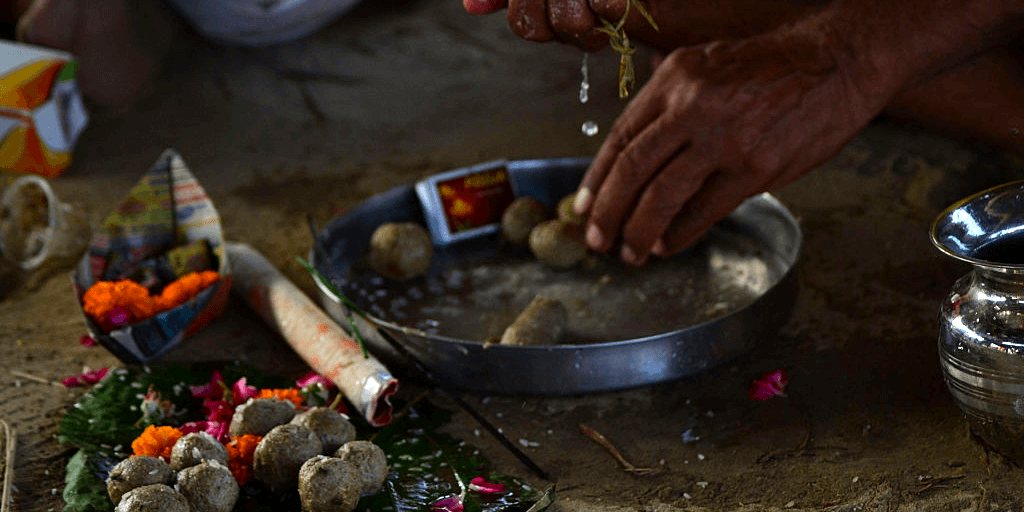
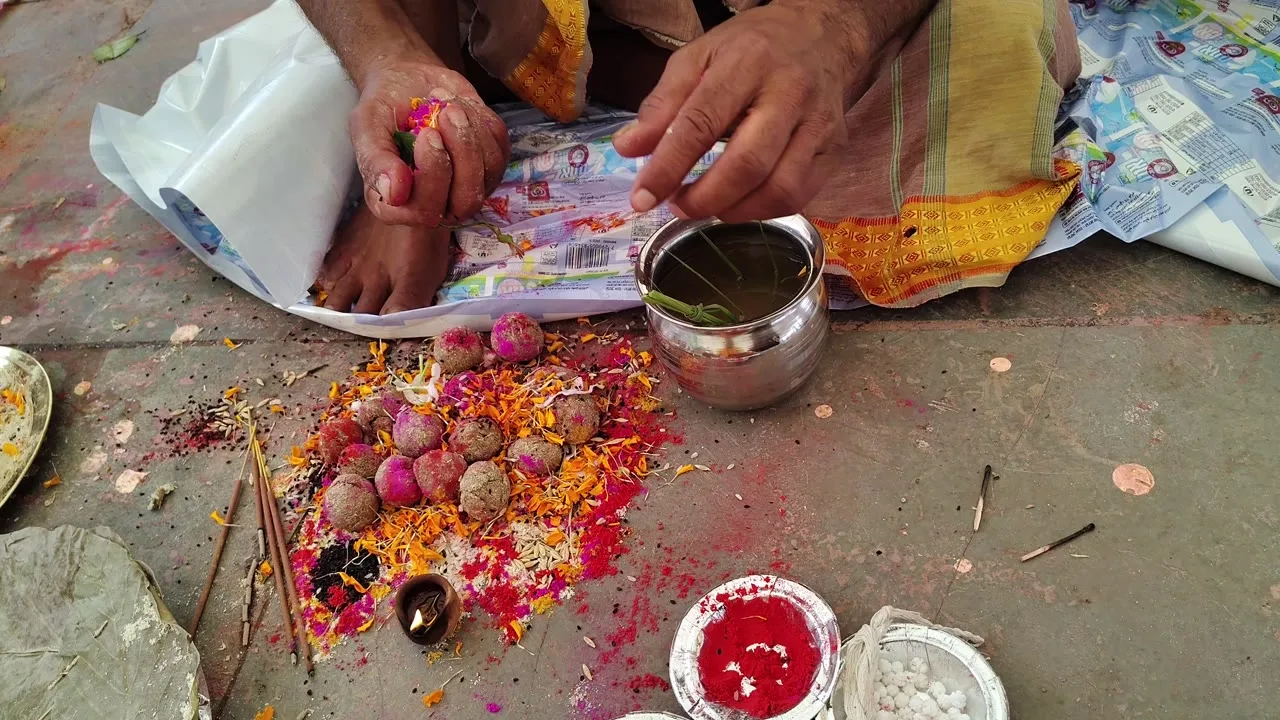
Through this ritual, we offer pind — balls made of rice, sesame, and flour — to the departed souls, along with water, prayers, and mantras. The belief, rooted deeply in Vedic and Puranic tradition, is that this offering nourishes the pitrus (ancestors) in their subtle existence and earns their blessings for the family left behind.
A clear place to begin
Begin with one decision: the sacred place, the participation mode or the Pitru Paksha dates. The relevant booking path follows from there.
Sacred place
Compare the ten sacred places already covered on this page, then open the city guide that matches your family tradition.
Choose a sacred city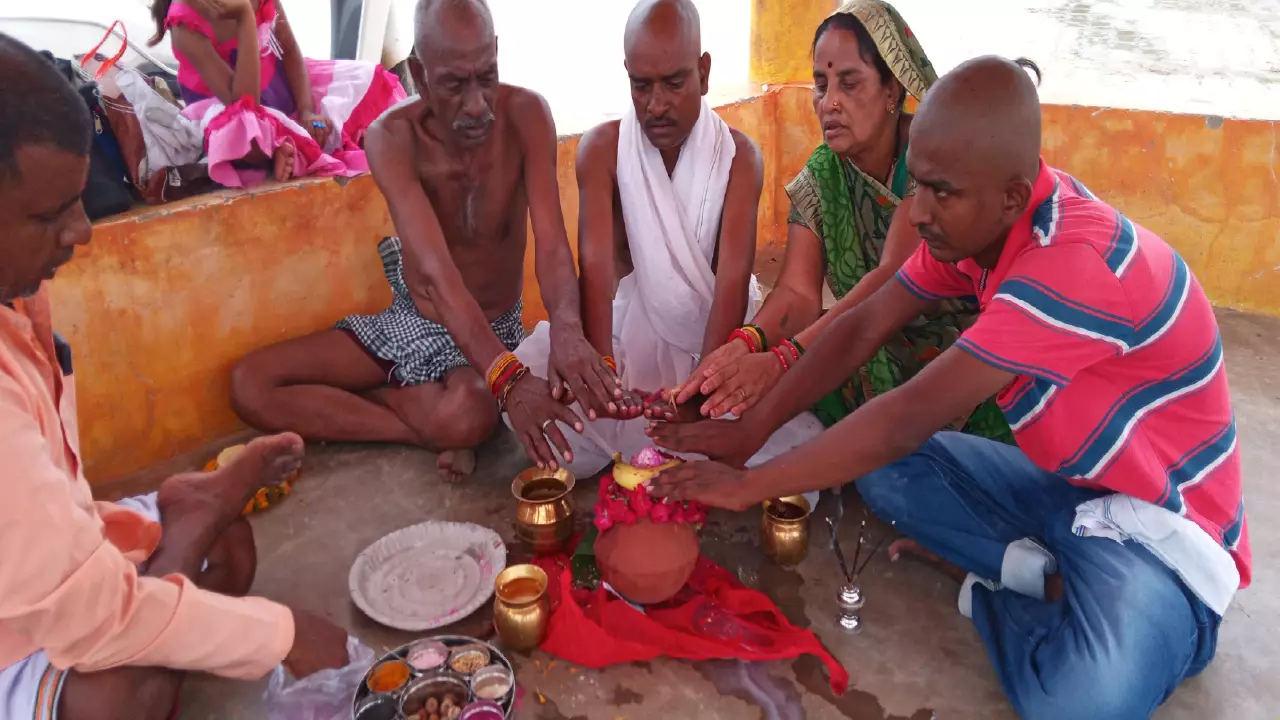
Join remotely
See the dedicated online service for a ceremony performed at the sacred location with coordinated family participation.
See online arrangements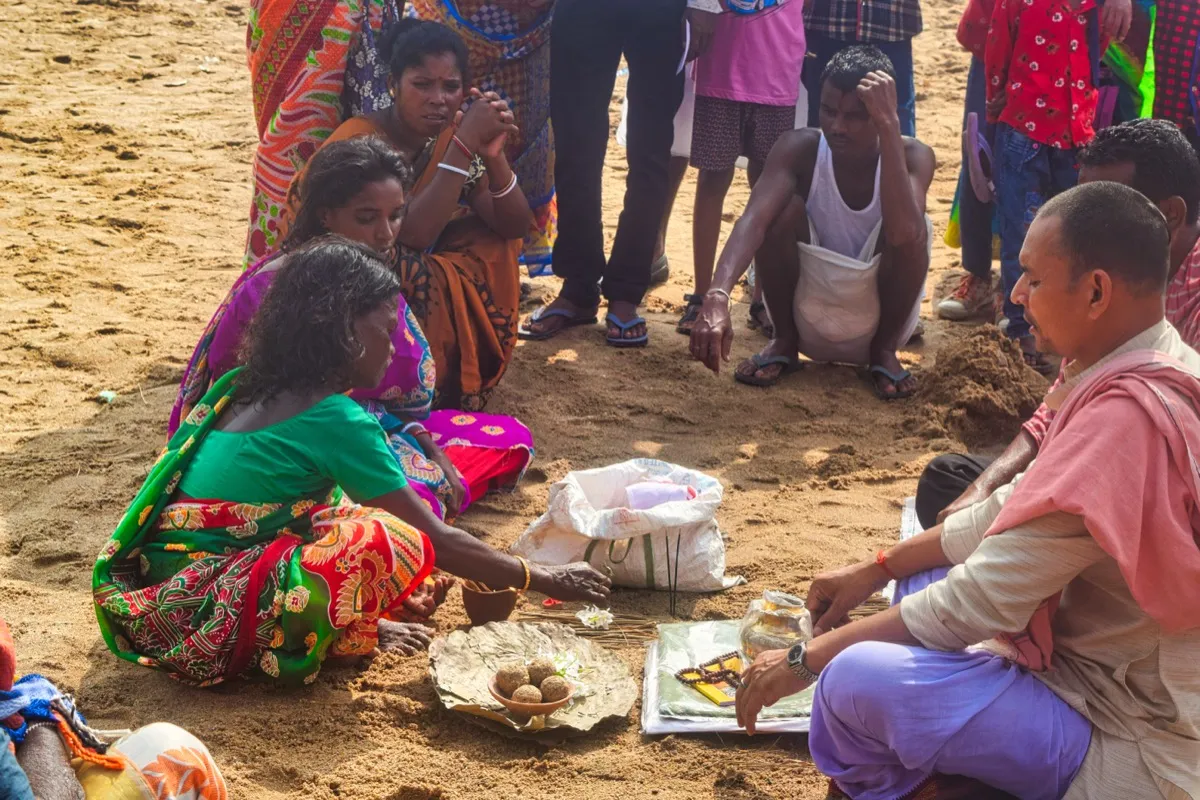
Pitru Paksha 2026
Review the fixed Pitru Paksha period first, then select the sacred city and ceremony scope before booking.
View the 2026 guidance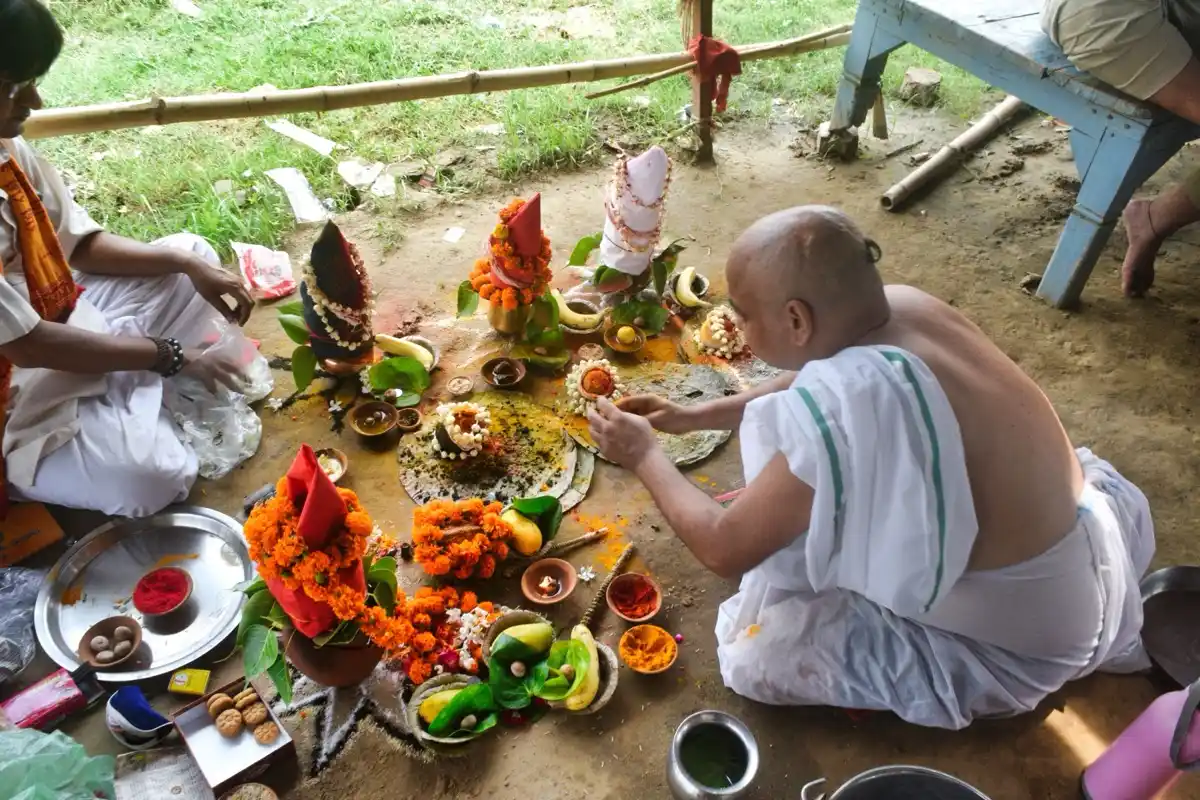
Vedic and Puranic foundation
The Garuda Purana devotes extensive chapters to the subject of pitru karma — the duties owed to departed ancestors. It describes how souls in the pitru loka depend on the offerings made by their living descendants. When Pind Daan is performed correctly, the pitru receives nourishment and, in turn, blesses the family with health, prosperity, and the removal of pitru dosha (ancestral affliction).
The Mahabharata also speaks of Gaya as the supreme teertha for Pind Daan. Lord Vishnu himself is said to reside at the Vishnupad temple in Gaya, and a pind offered at his feet is believed to grant moksha (liberation) to the departed across multiple generations.
The ritual is typically performed on the new moon day (amavasya) or during Pitrupaksha — the 16-day period in the Hindu calendar dedicated entirely to ancestral rites. However, Pind Daan can be performed on any day at certain sacred locations, particularly Gaya, Prayagraj, and Varanasi.
Who may perform the rite
Traditionally, Pind Daan is performed by the eldest son or the nearest male descendant. However, daughters, grandsons, and even daughters-in-law can perform this ritual. Our pandits follow both traditional and progressive interpretations of the scriptures. If there are no male descendants, a daughter performing Pind Daan is fully valid and accepted in our tradition.
Pind Daan is particularly recommended in these situations:
Choose the sacred place
Different sacred cities are associated with different aspects of ancestral liberation. Our pandits are present at all of them.
 City guide
Starting ₹7,100. The most sacred place for Pind Daan in all of India. Offering at Vishnupad temple, Falgu River, and the Akshayavat tree. A single pind offered here is said to liberate 21 generations.
Open the city guide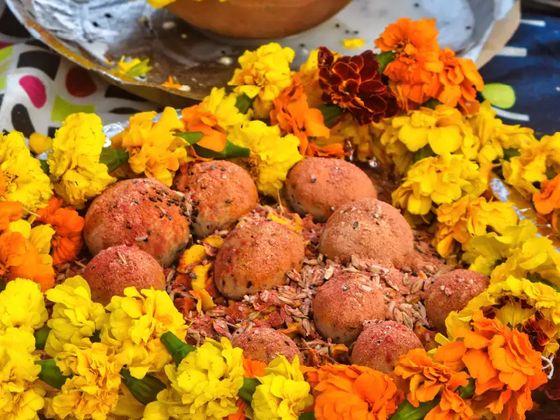 City guide
Starting ₹7,100. At the Triveni Sangam — the confluence of Ganga, Yamuna, and Saraswati. Especially powerful during Pitrupaksha and on Amavasya.
Open the city guide City guide
Starting ₹7,100. At the ghats of Kashi, where Lord Shiva himself whispers the Taraka mantra into the ears of those who die here.
Open the city guide City guide
Starting ₹7,100. At Har Ki Pauri, where the Ganga is considered most pure after her descent from the Himalayas.
Open the city guideStarting ₹7,100. In the sacred city of Lord Ram, on the banks of the Sarayu River.
Starting ₹7,100. In Braj, on the banks of the Yamuna, in the birthplace of Lord Krishna.
Starting ₹7,100. Sacred Ganga teertha in western Uttar Pradesh, easily accessible from Delhi-NCR.
Starting ₹7,100. At the Shipra River, in the city of Mahakaleshwar.
Starting ₹7,100. The sacred land of the Mahabharata, where a pind offered during a solar eclipse carries special merit.
Starting ₹11,000. At Brahmakapal ghat on the Alaknanda, one of the most powerful sites for ancestral liberation (seasonal availability).
Ceremony scope
The exact scope follows the package and sacred place selected by the family.
Qualified pandit with training in pitru karma and Vedic procedure
All samagri — rice, til (sesame), kusha grass, flowers, milk, honey, gangajal
Pind making and offering with proper mantras
Tarpan (water offering) to the departed
Brahmin bhoj (feeding of Brahmins as proxy for the pitru) where applicable
Photos and ceremony documentation
Questions families ask
Read the answers connected with this page, or browse the complete Pind Daan FAQ collection.
See all Pind Daan FAQsYes. Pind Daan is directly prescribed in multiple Vedic texts. The Rigveda's Pitru Sukta (10.15) invites the ancestors to accept food offerings. The Shukla Yajurveda (19.46) prescribes the offering of rice balls to ancestors. The Taittiriya Samhita (2.6.12) details the preparation of Pinda. The Shatapatha Brahmana describes the complete Pitru Yagna with Pinda offerings. The Grihyasutras of each Vedic school provide detailed step-by-step procedures for Pind Daan in the domestic context.
The Taittiriya Brahmana (Pinda Pitryajna section) and the Shatapatha Brahmana contain the most specific and detailed Vedic prescriptions for Pind Daan as a named ritual. The Grihyasutras (particularly the Ashvalayana and Paraskara) provide the most practically detailed household instructions. Among the Samhitas (the core Vedic hymn collections), Shukla Yajurveda 19.46 is the clearest direct mandate for the Pinda offering.
The Shatapatha Brahmana establishes that the period of the waning moon (Krishna Paksha) is most propitious for ancestral offerings, because the ancestors are believed to be closer to the earthly realm during this period. The sixteen days of Pitrupaksha (falling in Krishna Paksha of Bhadrapad month) are the direct extension of this Vedic principle. The Amavasya (new moon) at the end of Pitrupaksha is considered the most powerful single day for Pind Daan, because the thinning of the veil between the living and ancestral realms reaches its maximum at the dark of the moon.
Pindas used in Pind Daan are traditionally made of cooked rice (or barley), mixed with black sesame seeds (til), milk, curd, ghee, honey, and occasionally Gangajal (sacred Ganga water). Each ingredient carries specific scriptural significance. Rice or barley forms the base because these grains represent life and sustenance in Vedic tradition. Black sesame (til) and kusha grass are considered sacred because the scriptures state they originated directly from the body of Lord Vishnu — the deities declare these items possess divine power to protect Shraddha offerings and ward off negative forces like Asuras and Rakshasas who might disrupt the rites. Cow products (milk, curd, ghee) are highly recommended because Lord Brahma created cows first, making their products inherently pure and deeply satisfying to both deities and ancestors. Gangajal is essential for satisfying the ancestors" immense thirst and is revered as it washes away sins and aids in granting the soul liberation. The sticky, malleable nature of cooked rice bound together with honey, milk, and ghee allows the ball to be divided and kneaded during the Sapindikarana ceremony — essential for the soul"s permanent assimilation into the ancestral lineage.
Each city carries a distinct scriptural significance. Gaya is the most specifically prescribed tirtha for Pind Daan in the Vayu Purana and Gaya Mahatmya — it is considered the place where Pind Daan carries maximum liberating merit for the ancestors. Prayagraj (Triveni Sangam) is the most sacred confluence for all ancestral rites and is especially powerful for Asthi Visarjan and Tarpan. Varanasi is considered the city of liberation — those who die here or receive rites here are said to attain moksha through Shiva's grace. For maximum coverage, our 3-in-1 Package covering all three cities is the most recommended option for NRI families.
Shradh is the complete ancestral ceremony that encompasses several rituals performed with faith (Shrad) — including Tarpan (water offering), Pind Daan (food offering), Brahmin Bhojan (feeding of a Brahmin), and Daan (charity). Pind Daan is specifically the act of offering rice balls (Pind) to the ancestors as nourishment for their journey through the afterlife. Every Pind Daan is part of Shradh, but Shradh is broader than Pind Daan alone.
Yes, and in fact this is highly recommended in the Hindu scriptural tradition. The Garuda Purana and Gaya Mahatmya both describe performing Pind Daan at multiple tirthas as multiplying the merit of the ritual. Many families choose to perform Pind Daan at Prayagraj, Varanasi, and Gaya within the same Pitrupaksha period — our 3-in-1 package at ₹21,000 is designed specifically for this purpose. There is no limit on how many tirthas can be included.
Traditionally, Pind Daan is a Hindu Vedic ritual performed within the framework of Hindu ancestral rites. However, in cases where the departed belonged to a different religion but had Hindu family members who wish to honour them through this tradition, the practice is not strictly prohibited — the sincere intention of the living relative is the determining factor. Prayag Pandits recommends consulting with the assigned pandit about the appropriate modification of the Sankalp in such cases.
Speak before you book
To arrange Pind Daan at your preferred location, call or WhatsApp us at +91 7754097777. Share the name and gotra of the departed, your preferred city, and a convenient date. Our pandit will confirm the booking within a few hours.