No rituals selected yet.
Browse Pooja Packages →
Sacred place
I know the tirtha
Compare the ten sacred places already covered on this page, then open the city guide that matches your family tradition.
Choose a sacred cityAncestral rites · India
Pind Daan is one of the most sacred duties a son or descendant can perform for their ancestors.
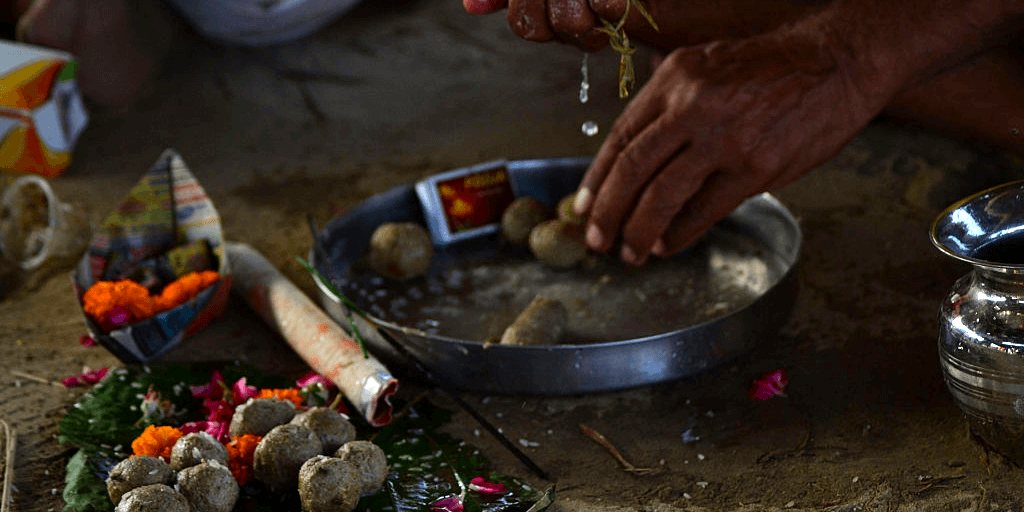
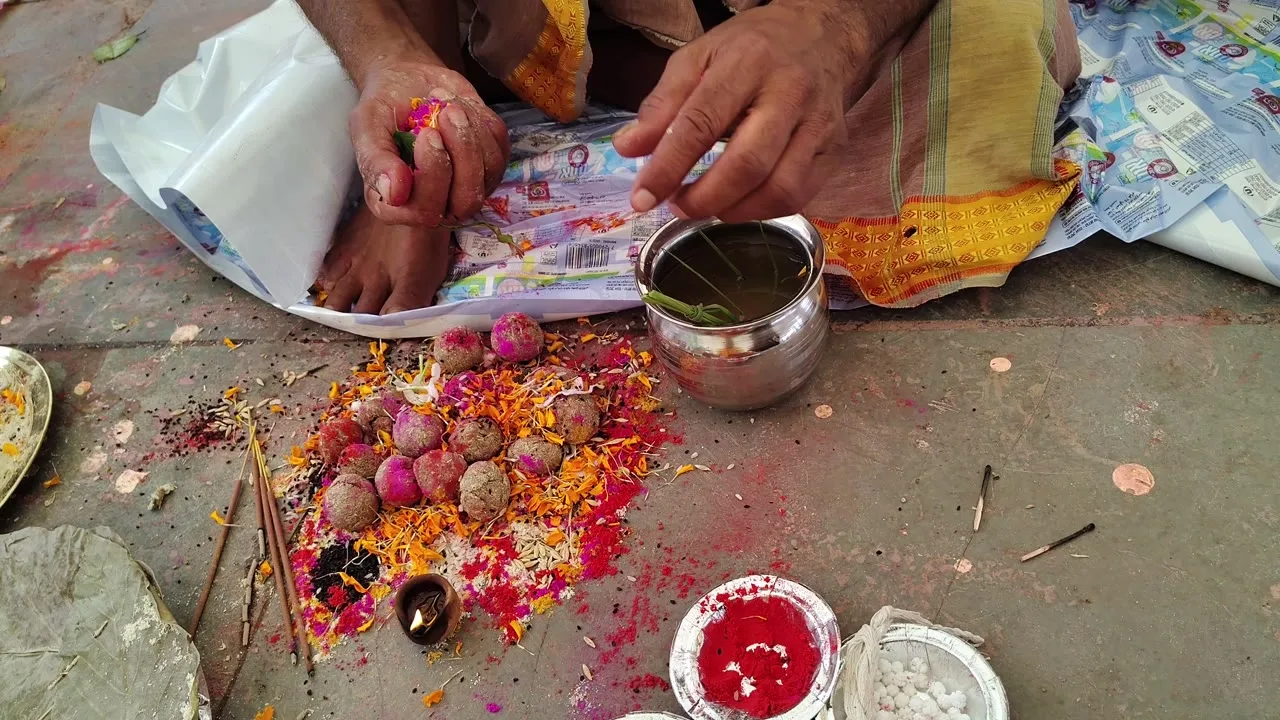
Through this ritual, we offer pind — balls made of rice, sesame, and flour — to the departed souls, along with water, prayers, and mantras. The belief, rooted deeply in Vedic and Puranic tradition, is that this offering nourishes the pitrus (ancestors) in their subtle existence and earns their blessings for the family left behind.
A clear place to begin
Begin with one decision: the sacred place, the participation mode or the Pitru Paksha dates. The relevant booking path follows from there.
Sacred place
Compare the ten sacred places already covered on this page, then open the city guide that matches your family tradition.
Choose a sacred city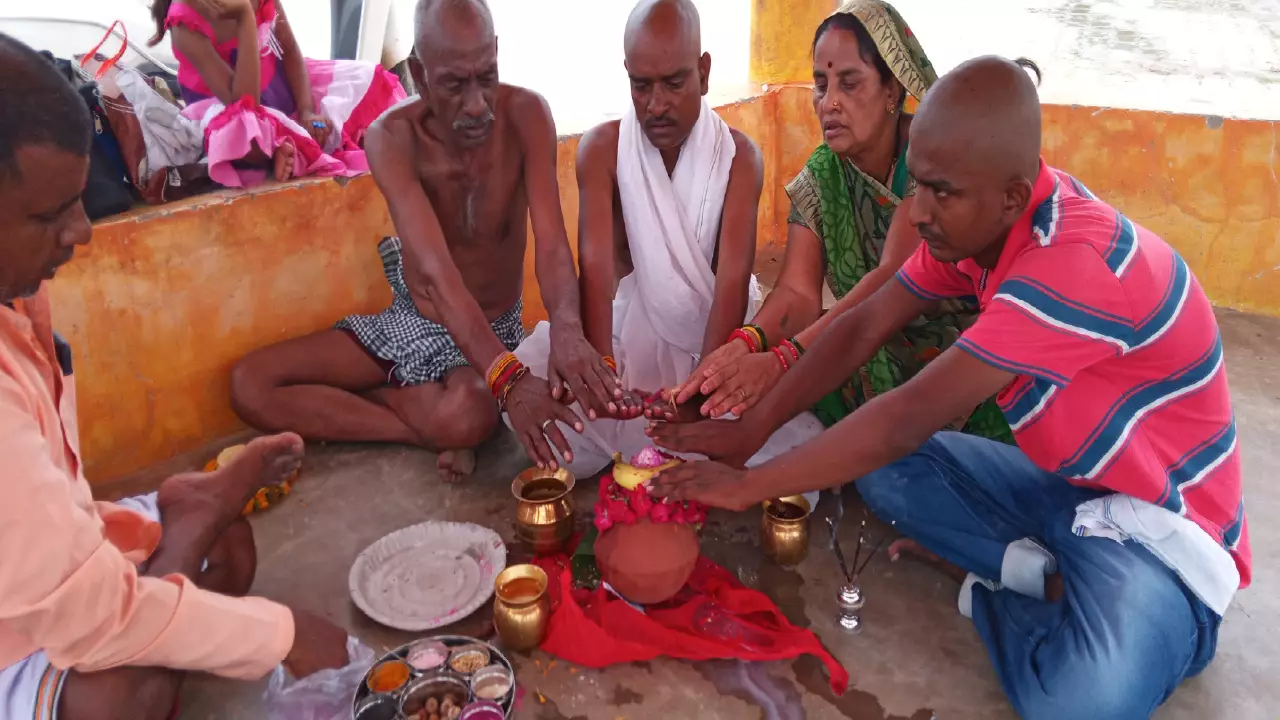
Join remotely
See the dedicated online service for a ceremony performed at the sacred location with coordinated family participation.
See online arrangements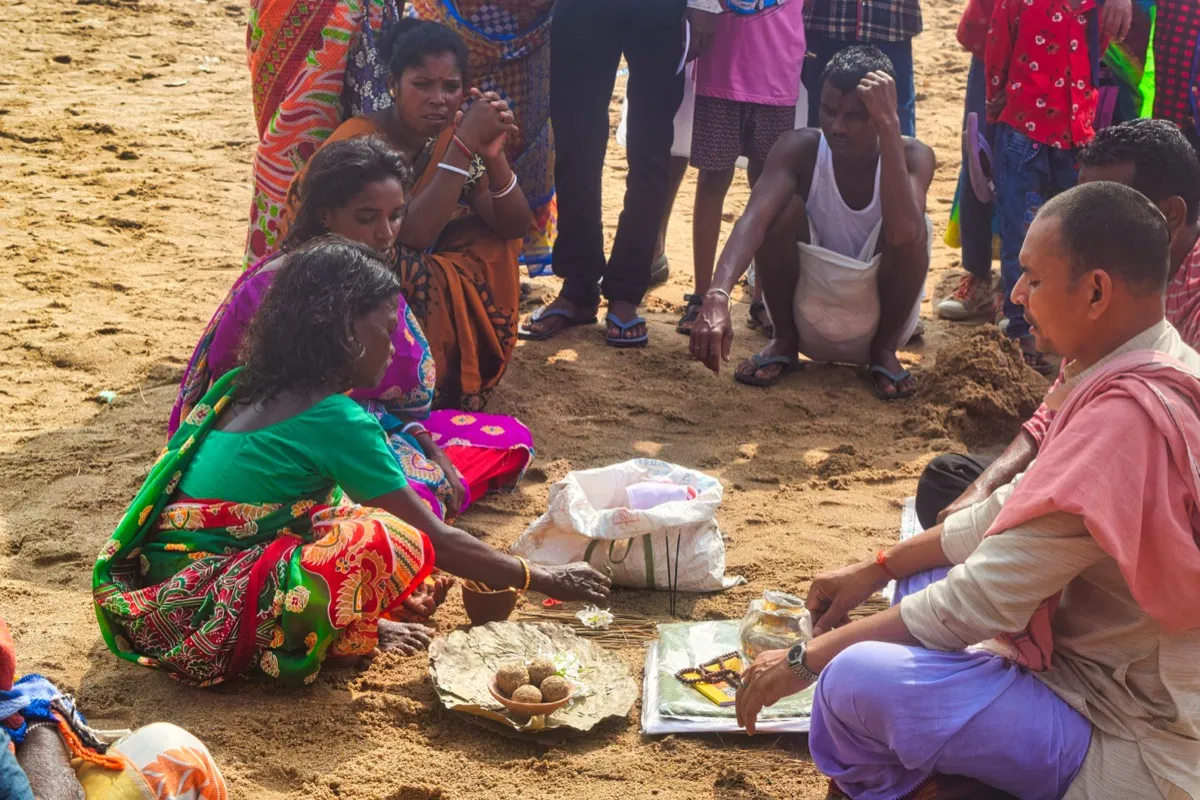
Pitru Paksha 2026
Review the fixed Pitru Paksha period first, then select the sacred city and ceremony scope before booking.
View the 2026 guidance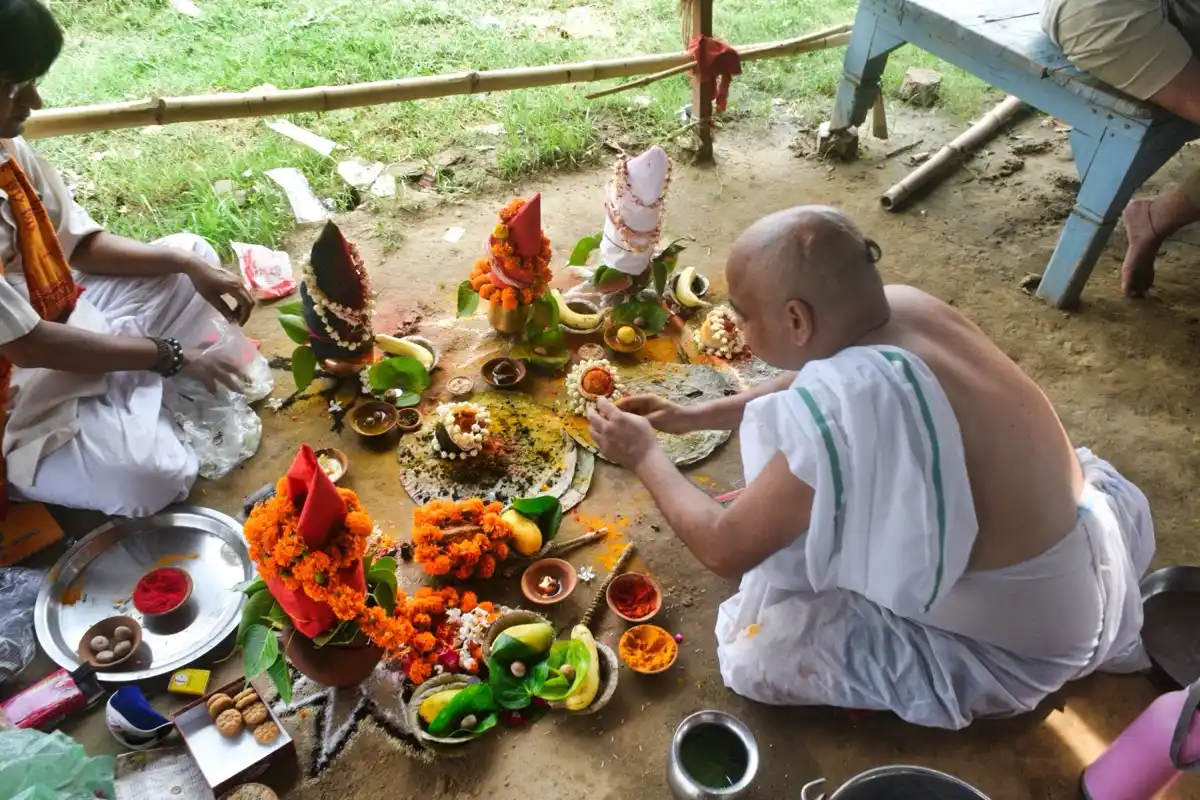
Vedic and Puranic foundation
The Garuda Purana devotes extensive chapters to the subject of pitru karma — the duties owed to departed ancestors. It describes how souls in the pitru loka depend on the offerings made by their living descendants. When Pind Daan is performed correctly, the pitru receives nourishment and, in turn, blesses the family with health, prosperity, and the removal of pitru dosha (ancestral affliction).
The Mahabharata also speaks of Gaya as the supreme teertha for Pind Daan. Lord Vishnu himself is said to reside at the Vishnupad temple in Gaya, and a pind offered at his feet is believed to grant moksha (liberation) to the departed across multiple generations.
The ritual is typically performed on the new moon day (amavasya) or during Pitrupaksha — the 16-day period in the Hindu calendar dedicated entirely to ancestral rites. However, Pind Daan can be performed on any day at certain sacred locations, particularly Gaya, Prayagraj, and Varanasi.
Who may perform the rite
Traditionally, Pind Daan is performed by the eldest son or the nearest male descendant. However, daughters, grandsons, and even daughters-in-law can perform this ritual. Our pandits follow both traditional and progressive interpretations of the scriptures. If there are no male descendants, a daughter performing Pind Daan is fully valid and accepted in our tradition.
Pind Daan is particularly recommended in these situations:
Choose the sacred place
Different sacred cities are associated with different aspects of ancestral liberation. Our pandits are present at all of them.
 City guide
Starting ₹7,100. The most sacred place for Pind Daan in all of India. Offering at Vishnupad temple, Falgu River, and the Akshayavat tree. A single pind offered here is said to liberate 21 generations.
Open the city guide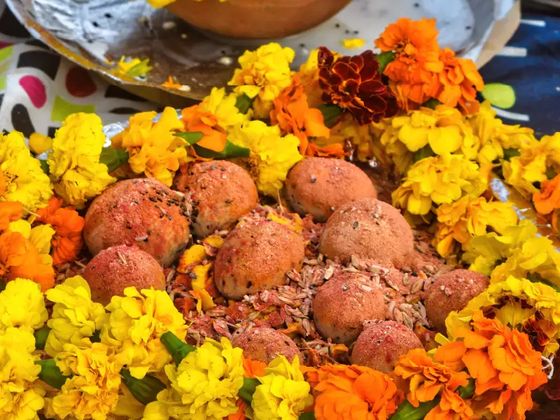 City guide
Starting ₹7,100. At the Triveni Sangam — the confluence of Ganga, Yamuna, and Saraswati. Especially powerful during Pitrupaksha and on Amavasya.
Open the city guide City guide
Starting ₹7,100. At the ghats of Kashi, where Lord Shiva himself whispers the Taraka mantra into the ears of those who die here.
Open the city guide City guide
Starting ₹7,100. At Har Ki Pauri, where the Ganga is considered most pure after her descent from the Himalayas.
Open the city guideStarting ₹7,100. In the sacred city of Lord Ram, on the banks of the Sarayu River.
Starting ₹7,100. In Braj, on the banks of the Yamuna, in the birthplace of Lord Krishna.
Starting ₹7,100. Sacred Ganga teertha in western Uttar Pradesh, easily accessible from Delhi-NCR.
Starting ₹7,100. At the Shipra River, in the city of Mahakaleshwar.
Starting ₹7,100. The sacred land of the Mahabharata, where a pind offered during a solar eclipse carries special merit.
Starting ₹11,000. At Brahmakapal ghat on the Alaknanda, one of the most powerful sites for ancestral liberation (seasonal availability).
Ceremony scope
The exact scope follows the package and sacred place selected by the family.
Qualified pandit with training in pitru karma and Vedic procedure
All samagri — rice, til (sesame), kusha grass, flowers, milk, honey, gangajal
Pind making and offering with proper mantras
Tarpan (water offering) to the departed
Brahmin bhoj (feeding of Brahmins as proxy for the pitru) where applicable
Photos and ceremony documentation
Questions families ask
Read the answers connected with this page.
Yes, a married daughter can perform Pind Daan. Pind Daan is fundamentally about Shraddha (faith) and the sankalpa (intention) of the performer — not about gender. The Garuda Purana explicitly permits daughters, daughters-in-law, and granddaughters to perform Pind Daan when a son is unavailable or when the daughter chooses to honour her parents herself. Modern Vedic pandits across Gaya, Prayagraj, and Varanasi routinely guide daughters through the full ceremony. The ritual's spiritual efficacy is identical regardless of whether the performer is the son or the daughter.
Yes, performing Pind Daan for oneself is known as Atma Pind Daan and is specifically permitted — even encouraged — at Gaya. The practice is rooted in the Vayu Purana and is commonly done by those who have no surviving male descendants or who wish to secure spiritual merit during their lifetime. Atma Pind Daan involves offering pindas in one's own name, accompanied by a formal sankalpa acknowledging the act. Many devotees combine Atma Pind Daan with ancestral Pind Daan during their visit to Gaya. Our pandits regularly conduct this specialised ceremony.
Yes, annual Shraddha on the death tithi (Mrityu Tithi) and during Pitrupaksha should continue even after Gaya Pind Daan. While Gaya Pind Daan is considered uniquely powerful — scriptures state it can liberate ancestors from seven generations — the annual Shraddha remains a mandatory ongoing duty (nitya karma) for descendants. Gaya Pind Daan is best understood as a one-time powerful ancestral liberation ceremony, while Shraddha is the continuing relationship of honour with the departed. Many families perform Gaya Pind Daan once or twice in a lifetime and maintain annual Shraddha every year at their home or a local temple. Our pandits can guide you on both — and we also offer annual Shraddha subscription services for families abroad.
To trace your ancestors through Gaya bahis, you need: (1) Your family surname and native village name, (2) Your gotra, (3) Names of grandfather and great-grandfather if known, (4) Approximate years of past pilgrimages by any relatives. On arrival at Gaya, present this information to the Pragwal Office or directly to a Gayawal Panda who serves your region. They will search the bahis — handwritten ledgers tracking pilgrimages by family — and can often show you records going back 200-300 years or more, including the names of ancestors, dates of their Pind Daan ceremonies, and family connections. Our Gaya Pind Daan service includes bahi tracing assistance with our network of verified Gayawal Pandas.
Gaya is the ancient Hindu tirtha for ancestral liberation, while Bodh Gaya (13 km away) is the site of the Buddha's enlightenment under the Bodhi Tree. They are two distinct sacred cities with different spiritual traditions and purposes. However, many pilgrims visit both on the same trip, combining the Hindu tradition of honouring ancestors with the Buddhist tradition of seeking enlightenment. Both represent Bihar's extraordinary concentration of sacred sites.
Speak before you book
To arrange Pind Daan at your preferred location, call or WhatsApp us at +91 7754097777. Share the name and gotra of the departed, your preferred city, and a convenient date. Our pandit will confirm the booking within a few hours.