अभी तक कोई अनुष्ठान नहीं चुना गया।
पूजा पैकेज देखें →मुख्य बिंदु
इस लेख में
The desire to connect with your ancestors, to offer them peace and sustenance through the holy ritual of Pind Daan, is a noble and powerful calling. It is a testament to the strong roots of Dharma that bind you to this sacred land, no matter where you reside. But this journey requires more than just a ticket and a suitcase—it requires thoughtful preparation. A calm mind, free from last-minute worries, is the best offering you can bring to the ghats.
Here is a comprehensive checklist for all devoted NRIs performing Pind Daan in India—covering documents, health, ritual essentials, finances, communication, and the most important preparation of all: your heart and mind.
Before that, here are some important links for you:
1. Our Pind Daan Packages. Click Here.
2. Our Shradh Packages. Click Here.
3. Our Video Reviews/Testimonials. Click Here.
4. For Complete Tour Planning with 5 Star Hotels and Premium Cabs, contact us here.
5. In case of any questions, please contact us here.
Part 1: Documents and Identification
Before you can offer Pind Daan at the holy ghats, you must first ensure your passage to India is smooth. An unsettled mind over a missing document can disturb the sanctity of your entire Yatra.
Passport and Visa
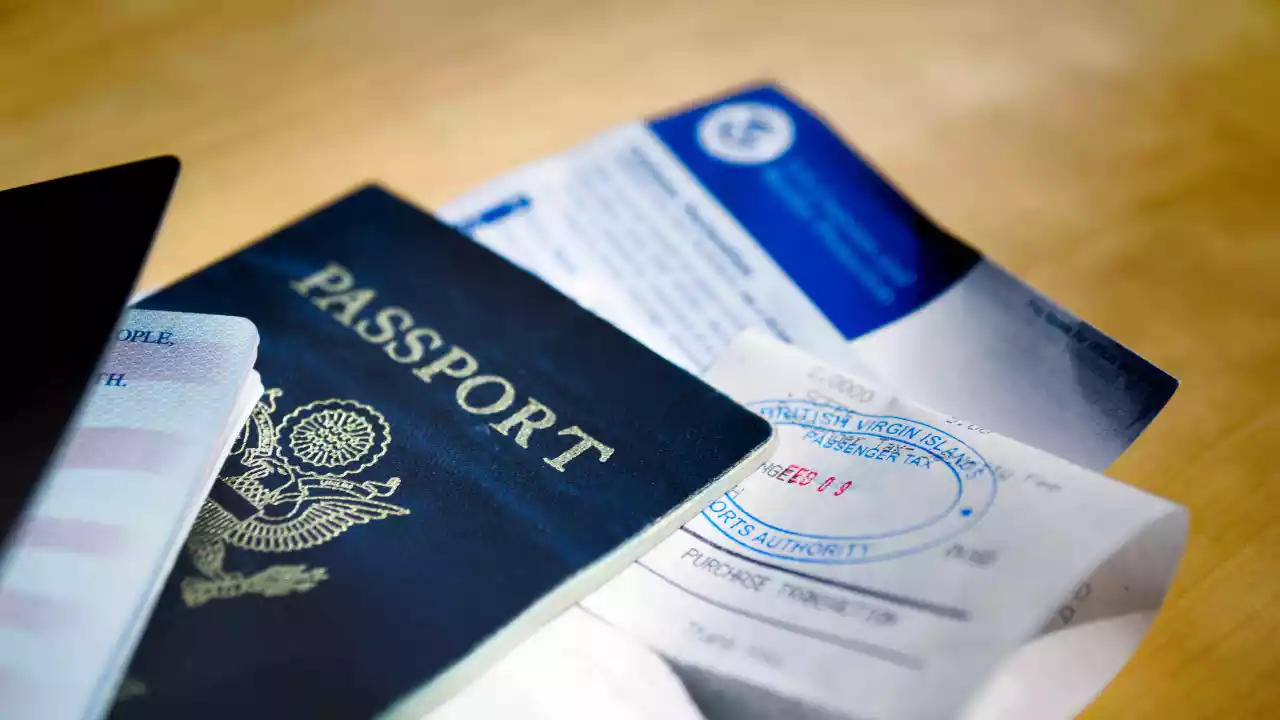
- Passport Validity: Your passport must be valid for at least six months from your date of arrival in India.
- Blank Pages: Ensure at least two empty pages are available for immigration stamps.
- Visa or OCI Card: If you hold a foreign passport, apply for an Indian Tourist e-Visa at indianvisaonline.gov.in at least 2 weeks before travel. For people of Indian origin, the Overseas Citizen of India (OCI) card is your lifelong visa—apply at ociservices.gov.in. Do not leave this for the last minute.
- Photo Copies: Carry both digital and physical photocopies of your passport, visa, and OCI card. Store one copy in your hotel room safe and one with a family member back home.
Key Government Websites for NRI Travel to India
| Service | Website | What It Does |
|---|---|---|
| e-Visa Application | indianvisaonline.gov.in/evisa/ | Apply for Indian Tourist e-Visa online |
| OCI Card Services | ociservices.gov.in | OCI registration, status tracking, miscellaneous services |
| Ministry of External Affairs | mea.gov.in | Travel advisories, consular services |
| Tourism of India | tourism.gov.in | Tourist helpline: 1800-11-1363 (24×7) |
| NRI Services Portal | india.gov.in/topics/foreign-affairs/nris | Comprehensive NRI government information |
Ritual Information You Must Carry
This is the most crucial information for the Pind Daan ritual itself. The Pandit will need these details to invoke the correct ancestors and ensure the offerings reach them precisely.
- Three Generations of Ancestors: Prepare a written list of at least three generations on your paternal side (Father, Grandfather, Great-grandfather) and, if possible, on your maternal side too. Include their full names.
- Gotra: Your family’s gotra—the patrilineal sage lineage—is essential for the Sankalp invocation. If unknown, your Prayag Pandits coordinator can guide you through the procedure for families who have lost track of their gotra.
- Tithi of Passing: If you know the Hindu lunar calendar date (tithi) on which your ancestors passed, include it. The tithi is more significant than the calendar date for ritual purposes.
- Keep Two Copies: One digital copy (on your phone and cloud storage) and one physical copy in a waterproof folder. This information is the very heart of your purpose for the Yatra.
Part 2: Health and Medical Preparation
The scriptures say Shariram adyam khalu dharma sadhanam—the body is the primary instrument for fulfilling Dharma. You must be in good health to perform the rituals with the required focus and physical endurance.

Medical Preparations
- Travel Health Insurance: Your health insurance from Malaysia, Singapore, the UK, or Australia may not cover treatment in India. Purchase a short-term travel insurance policy that includes medical evacuation coverage for the duration of your stay.
- Personal Medical Kit: Pack a small kit with your personal prescription medicines (carry double the quantity you expect to need), plus general remedies for stomach upset, fever, allergies, motion sickness, and minor cuts or blisters. The change in food, water, and climate can affect the body even for experienced travellers.
- Doctor’s Note: Carry a prescription or doctor’s letter for any essential medications you bring into India to avoid issues at customs. Certain prescription drugs—especially controlled substances—require documentation.
- Water and Food Safety: Drink only bottled or boiled water throughout your pilgrimage. At the ghats, receive Ganga jal in a sealed vessel from the Pandit rather than scooping directly from the river. Street food can be delicious but introduce it gradually to your digestive system.
- For Elderly Family Members: Pilgrimage sites involve significant walking on uneven stone surfaces, often in crowds. Ensure elderly family members have comfortable, flat-soled footwear, a walking support if needed, and a family member assigned to assist them at all times near the water.
Part 3: Dressing Appropriately — What to Wear for the Ritual
Your clothing at a Teertha Sthala reflects your inner state of humility and reverence. Dressing appropriately is not a formality—it signals to yourself and the Pandit that you have entered a sacred space of consciousness.
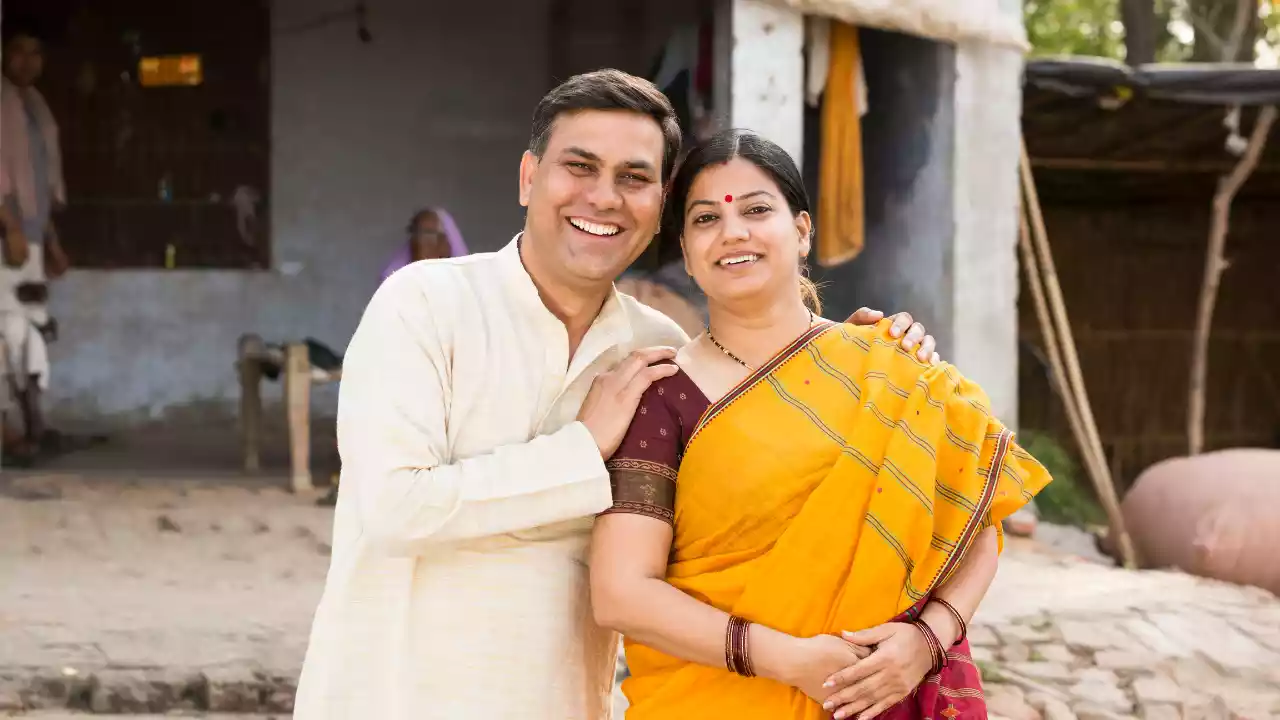
For the Pind Daan Ceremony Itself
- Simplicity and Purity: Clothes worn during the ceremony should be clean, simple, and freshly washed—ideally laundered the morning of the ritual.
- For Men: A simple white cotton dhoti with an angavastram or kurta is traditional. Those who wear the sacred thread (janeu or yajnopavita) should wear it during the ritual. Shorts and Western trousers are not appropriate at the ritual site.
- For Women: A simple cotton saree or salwar kameez in white, cream, yellow, or light colours is appropriate. Ensure the outfit is modest and comfortable to sit cross-legged in for an extended period.
- Colour to Avoid: Black is traditionally avoided during auspicious rituals and at Teertha sites. It is associated with grief and tamas (inertia) in the Vedic tradition. Choose sober, light-coloured garments that represent purity (sattva).
- Pack an Extra Set: Carry a spare set of ritual clothing in a waterproof bag. Ghats near rivers can be wet, and unforeseen circumstances can make a change of clothes essential.
For Temple Visits Surrounding the Ritual
- Modesty: Cover shoulders and knees when entering temple premises. A light shawl or scarf serves multiple purposes—covering when needed, warmth in cooler mornings, and wiping hands dry near the water.
- Footwear: You will be removing your shoes frequently at temples and ghat steps. Wear comfortable sandals that slip on and off easily. Avoid shoes with complex buckles or laces.
Part 4: Preparing for the Ritual — What to Bring and What to Know
Your chosen Pandit in Prayagraj, Gaya, or Varanasi will arrange most of the samagri (ritual items) as part of the Prayag Pandits package. However, some personal preparations make your offering more meaningful and complete.
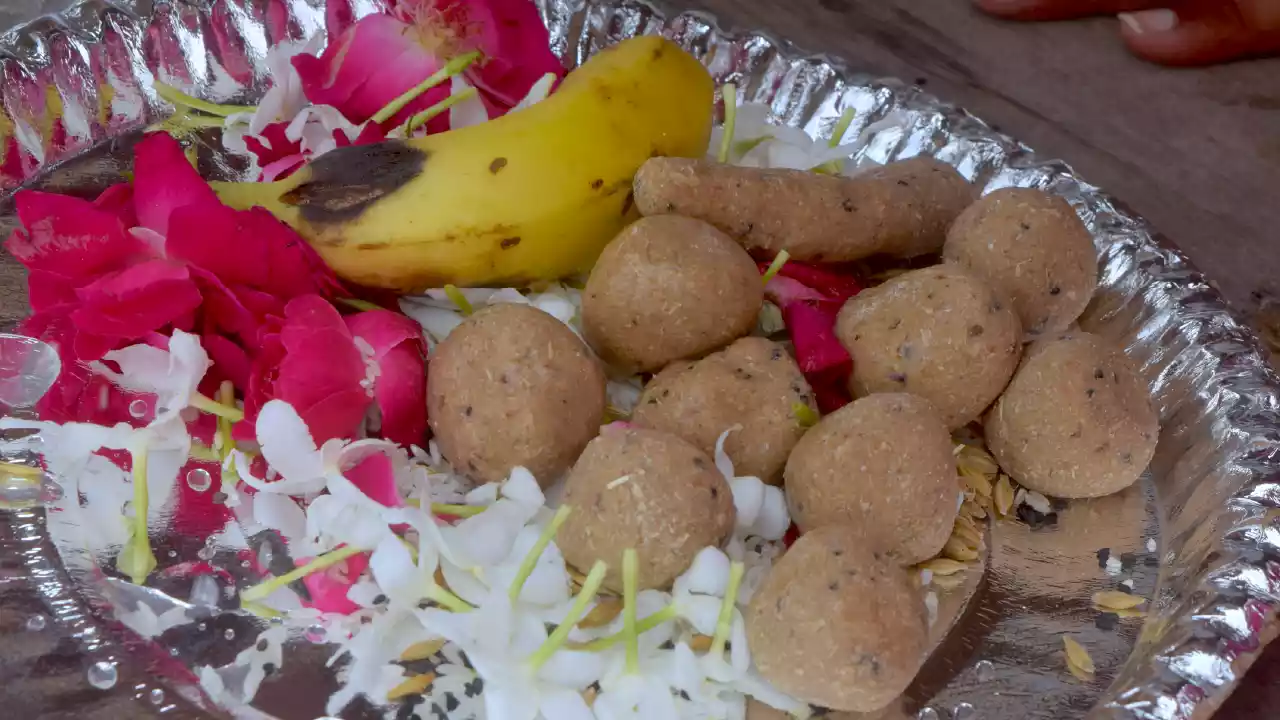
Ritual Items Provided and What You May Bring
- Provided by Prayag Pandits: Rice flour, barley (yava), black sesame seeds (til), kusha grass, flowers, incense, darbha ring, and all other essential samagri are included in your package.
- Personal Touch — Black Sesame Seeds: Bringing a small packet of black sesame seeds from your own home to add to the offerings carries deep personal significance. The seeds represent the continuity of your lineage from your home abroad to the sacred river.
- Water from Your Home: Some families carry a small sealed container of water from a river, spring, or source sacred to their regional tradition—to be mixed with the Ganga or Phalgu waters during the Tarpan. This is a beautiful personal act of integration.
- Photographs of Ancestors: While photographs are not a traditional ritual item, many families find it deeply meaningful to carry a photo of their deceased ancestors to show the Pandit before the Sankalp. This helps identify the correct ancestors in the invocation and brings a personal, emotional connection to the ritual.
The Spirit of Daan — Budgeting for Charity
The act of Shradh is considered spiritually complete only when followed by daan—charity. The Vishnu Purana describes Daan as the seal that locks in the merit of the ritual.
- Plan Your Giving in Advance: Decide before you arrive what you intend to offer. Options include food for the needy (anna daan), clothing (vastra daan), or a monetary donation (dakshina) to the priests and other deserving recipients at the Teertha.
- Suggested Budget for Daan: NRI families typically set aside ₹5,000–₹15,000 for combined dakshina and charity. This is entirely optional but deepens the merit of the visit considerably.
- Cow Daan (Go Daan): Donating to a gaushala (cow shelter) near the Teertha is considered especially auspicious in the context of Pitru Paksha. Our coordinators can arrange this on your behalf.
Part 5: Financial Planning for Your Sacred Journey
Managing your finances thoughtfully prevents stress during your pilgrimage and allows you to focus entirely on devotion.
Currency and Payments
- Carry a Mix: Bring a combination of Indian Rupee cash (₹20,000–30,000 for most families) for ghats, temples, small purchases, and taxis, plus your international debit or credit cards for hotels and larger payments.
- Inform Your Bank: Before departure, call your bank or set up travel notifications in your banking app. Without this, your card may be blocked for foreign transactions as a fraud prevention measure—a deeply inconvenient scenario mid-pilgrimage.
- Currency Exchange: Get MYR/GBP/USD/SGD/AUD exchanged to INR at licensed money changers before you travel. Airport currency counters in India offer poor rates. The best rates are found at authorised money changers in your home city or at major shopping malls in Kuala Lumpur, London, or Singapore.
- Digital Payments in India: India has fully embraced UPI-based digital payments. Google Pay, PhonePe, and Paytm are universally accepted. For daily purchases, ask your hotel to help you set up a temporary UPI-linked wallet, or simply use contactless card payment where available.
- Emergency Reserve: Set aside a hidden cash reserve of ₹5,000–10,000 for unforeseen expenses—a missed flight, a medical need, or extended stay. A mind that is not worried about money is a mind free to pray.
Prayag Pandits Payment Options for NRIs
We accept international payments via Wise (TransferWise), PayPal, and direct bank transfer. Malaysian families can pay in MYR, UK families in GBP, Australians in AUD, and US families in USD — with no hidden conversion charges. Ask us for a payment link when you book.
Part 6: Travel Planning and Communication
Plan your movement and stay with care. Prayag Pandits operates its own fleet of premium and budget cabs, and has trusted partnerships for 3-star, 4-star, and 5-star hotel stays at all three pilgrimage cities. Share your travel dates with us and we will provide a customised itinerary and quotation.
Accommodation and Transport
- Book in Advance: Hotels near the main pilgrimage ghats fill up weeks—sometimes months—in advance, especially during Pitru Paksha. Do not leave accommodation to chance. Contact us 6–8 weeks before Pitru Paksha and 2–3 weeks before other periods.
- Location Matters: Stay within 2–3 km of the ritual site to avoid early morning transport stress. For Gaya, this means hotels near Vishnupada Temple. For Prayagraj, near the Sangam or Civil Lines area. For Varanasi, near Assi Ghat or Dashashwamedh Ghat.
- Local Transport: Arrange for a reliable local taxi or auto-rickshaw service known to your pandit or hotel. The ghats and temple areas are congested, and having a driver who understands the schedule of your ritual is a significant practical blessing.
- Train vs. Flight Between Cities: If visiting multiple holy cities, Indian Railways is often more practical than domestic flights for short inter-city distances. The Prayagraj–Gaya route is approximately 4 hours by road or train. Gaya–Varanasi is 3.5 hours by road or 4 hours by train. Our coordinators can book these connections for you.
Staying Connected
- Indian SIM Card: Purchase an Airtel or Jio tourist SIM at the arrivals hall of any major Indian airport. Data is very affordable (approximately ₹300–400 for 30 days of unlimited data). Having a local Indian number is essential for coordinating with Prayag Pandits’ ground team.
- WhatsApp: Our entire coordination process runs via WhatsApp. Ensure you have the app installed and working before you land. Our pandit team will communicate ritual times, pickup logistics, and share ceremony photos via WhatsApp throughout your visit.
- Offline Maps: Download offline Google Maps or Maps.me for the cities you are visiting before you land. Mobile data coverage is excellent in city centres but can be patchy near some rural ghat areas.
- Emergency Contacts: Save the following numbers before you travel: Prayag Pandits helpline (+91-7754097777), your hotel’s front desk, your home country’s embassy or consulate in India, and a family contact back home who knows your itinerary.
Part 7: The Most Important Checklist — Preparing Your Heart and Mind
All external preparations serve one purpose: to create the conditions for deep, sincere prayer. This internal preparation is what truly determines the success of your Pind Daan.
- Understand the Why: Before you arrive, spend time reading about the significance of Pind Daan. When you understand the profound meaning behind each mantra and action, your participation becomes deeper and more heartfelt. The Pandit’s words will not be opaque sounds—they will be recognisable prayers.
- Mental Purity: In the week leading up to the ritual, maintain a calm, pure state of mind. Avoid arguments, negative entertainment, and worldly gossip. Listen to bhajans, read about your ancestors’ lives, and think of them with love, gratitude, and forgiveness.
- Dietary Discipline: As per tradition, consume simple, sattvic (pure) vegetarian food for at least three days before the ceremony. Many families observe a fast on the day of Shradh until the rituals are complete—consulting with your Pandit about this practice is recommended.
- Disconnect from Work: Inform your colleagues in advance that you will be unavailable. This journey is for your ancestors—not for your business emails. Give your Pitrus your complete, undivided attention. This is the rarest and most valuable gift you can offer them.
- Family Alignment: If multiple family members are participating, ensure everyone understands the ritual sequence and their expected conduct. The Sankalp requires all participants to be present and attentive. Brief children (where appropriate) about the significance of what they are witnessing so the experience becomes an inter-generational transmission of dharma, not merely a formality.
NRI Special
🙏 Plan Your Pind Daan Journey — We Handle the Rest
Starting from
₹5,100
per person
- Pandits at Gaya, Prayagraj, and Varanasi
- Hotel and cab arrangements available
- WhatsApp coordination throughout your stay
- Online Pind Daan if travel is not possible
Complete Pre-Travel Checklist at a Glance
Use this quick-reference checklist in the weeks before your departure:
- Passport valid 6+ months, 2+ blank pages
- e-Visa applied (or OCI card confirmed valid)
- Travel health insurance purchased
- Ancestor names and gotra list prepared (physical + digital copy)
- Prayag Pandits package booked and confirmed
- Hotel accommodation near ritual site booked
- Return flights and inter-city transport arranged
- Ritual clothing packed (dhoti/angavastram for men; cotton saree/salwar for women)
- Personal medical kit packed
- Doctor’s note for prescription medicines
- Bank notified of foreign travel
- MYR/GBP/USD/AUD exchanged to INR
- Emergency cash reserve prepared
- Airtel/Jio SIM card plan arranged (or confirmed available at airport)
- Prayag Pandits WhatsApp number saved
- Offline city maps downloaded
- Sattvic diet started (3 days before ritual)
- Work leave confirmed, colleagues informed
What documents do I need to carry for Pind Daan in India as an NRI?
You will need a valid passport (6 months validity beyond travel dates), Indian e-Visa or OCI card, and your travel insurance documents. For the ritual itself, carry a written list of at least three generations of ancestors (names and dates of passing) and your family gotra. Keep digital and physical copies of all documents.
What should I wear for the Pind Daan ceremony?
Men should wear a simple white cotton dhoti with angavastram or kurta. Women should wear a cotton saree or salwar kameez in white, cream, or light colours — not black. Clothing should be freshly washed, modest, and comfortable for sitting for extended periods. Remove leather items (belts, wallets) before entering the ritual area.
Should I fast before the Pind Daan ritual?
Many families observe a partial or full fast on the day of the Pind Daan, eating only after the rituals are complete. In the 3 days prior, consuming simple sattvic (vegetarian, non-spicy) food is the standard tradition. Consult your Prayag Pandits pandit for guidance specific to your ritual context.
Will the pandit speak English or Tamil — can he explain the ritual to me?
Yes. Prayag Pandits works with Teerth Purohits fluent in Hindi, English, Tamil, Telugu, Kannada, and Sanskrit. Every step of the ritual will be explained to you in real time in your preferred language. You will understand what you are saying and doing at every stage of the ceremony.
What if I do not know my gotra or all my ancestors' names?
This is very common, especially for families that have been abroad for multiple generations. Our pandits have standard Vedic procedures for families with incomplete lineage records. Share whatever information you have — even partial names or approximate decades of passing are helpful. The ritual can be performed correctly even with limited information.
Can I book Pind Daan and also arrange hotels and transport through Prayag Pandits?
Yes. Through our sister service Prayag Samagam, we arrange complete pilgrimage tours including pandit coordination at all three holy cities, premium and budget cab services, 3-star to 5-star hotel accommodations, and a dedicated WhatsApp coordinator throughout your visit. Contact us with your travel dates for a customised quote.
This Pilgrimage Is a Bridge of Love
This pilgrimage is a bridge of love, reverence, and duty—connecting you to your lineage across oceans and decades. Proper preparation ensures that every step you take on this bridge is firm, peaceful, and filled with devotion.
For Malaysian families, read our dedicated guide on Pind Daan from Malaysia for complete flight and logistics information. To understand the best season for your visit, consult our seasonal guide for the best time for Teerth Shradh. And when you are ready to take the step, contact Prayag Pandits—we will guide you from the first message to the final Pinda offering.
May the blessings of your Pitrus be upon you and your family.
Hari Om.
Related Services by Prayag Pandits
- 🙏 Pind Daan in Gaya — Starting from ₹7,100
- 🙏 Online Pind Daan in Gaya (with Video Call) — Starting from ₹11,000
- 🙏 3 in 1 Online Pind Daan Package (Prayagraj, Varanasi, Gaya) — Starting from ₹21,000
अपना पवित्र अनुष्ठान बुक करें
भारत भर के पवित्र स्थलों पर वेद-प्रशिक्षित पंडितों द्वारा वीडियो प्रमाण सहित प्रामाणिक अनुष्ठान।
2,263+ परिवारों की सेवा
वीडियो प्रमाण शामिल
2019 से
