No rituals selected yet.
Browse Pooja Packages →Included
Hereditary Gayawal Panda
Verified Gayawal Panda from a registered ghat — the priestly lineage authorised at Gaya across the Pitrupaksha calendar and annual Tithi shradh dates.
The Vayu Purana names the Phalgu in Gaya an incarnation of Vishnu — the canonical authority for shradh performed here. Inside the Vishnupad complex stands the Akshayavata, the imperishable banyan where the offering is preserved across the seasons. Performed by hereditary Gayawal Pandas across the Pitrupaksha calendar and every annual Tithi.
What's included
We've seen too many families face hidden boat fees, samagri costs, and "dakshina" pressure on the day. Here's exactly what's covered, and what isn't.
Included
Verified Gayawal Panda from a registered ghat — the priestly lineage authorised at Gaya across the Pitrupaksha calendar and annual Tithi shradh dates.
Included
Til, kusha, jau (barley), rice, jaggery, ghee, gangajal, sandalwood, white cloth — prepared in advance, ready before the family arrives at the ghat.
Included
Optional upgrades surfaced in this catalogue include the Premium Platinum tier (with Pind Daan bundled), Tripindi Shradh for ancestors who died unnatural / untimely deaths (₹34,999), and online shradh from anywhere in the world.
Included
One person on WhatsApp through your entire booking — fluent in Hindi, English, and major regional languages — before and after the ceremony.
Included
WhatsApp message from the Gayawal Panda the same evening, with details of all offerings made on your behalf.
Included*
Ghat-side shradh on the banks of the Phalgu (the Vayu Purana names this river an incarnation of Vishnu), and the option to extend the rite to the Akshayavata — the imperishable banyan — within the Vishnupad complex.
Not included
Train, flight, or road travel. Gaya Junction is well-connected; we can recommend trusted operators.
Not included*
Not bundled with the base packages; stay-inclusive options available on request.
Not included
Optional add-on — feeding pandits & needy families is a meritorious component of shradh tradition, offered separately at the family's preference.
Step 03 · How it works
From your first call to same-day confirmation — we handle every coordination, so the family can focus on what matters.
Choose a package and complete payment online. Our team calls within 2 hours to confirm details.
~ 5 minutes
Provide gotra, names of departed ancestors (up to three generations), the death anniversary tithi if known, preferred date, and any special vidhi requirements.
~ 10 minutes
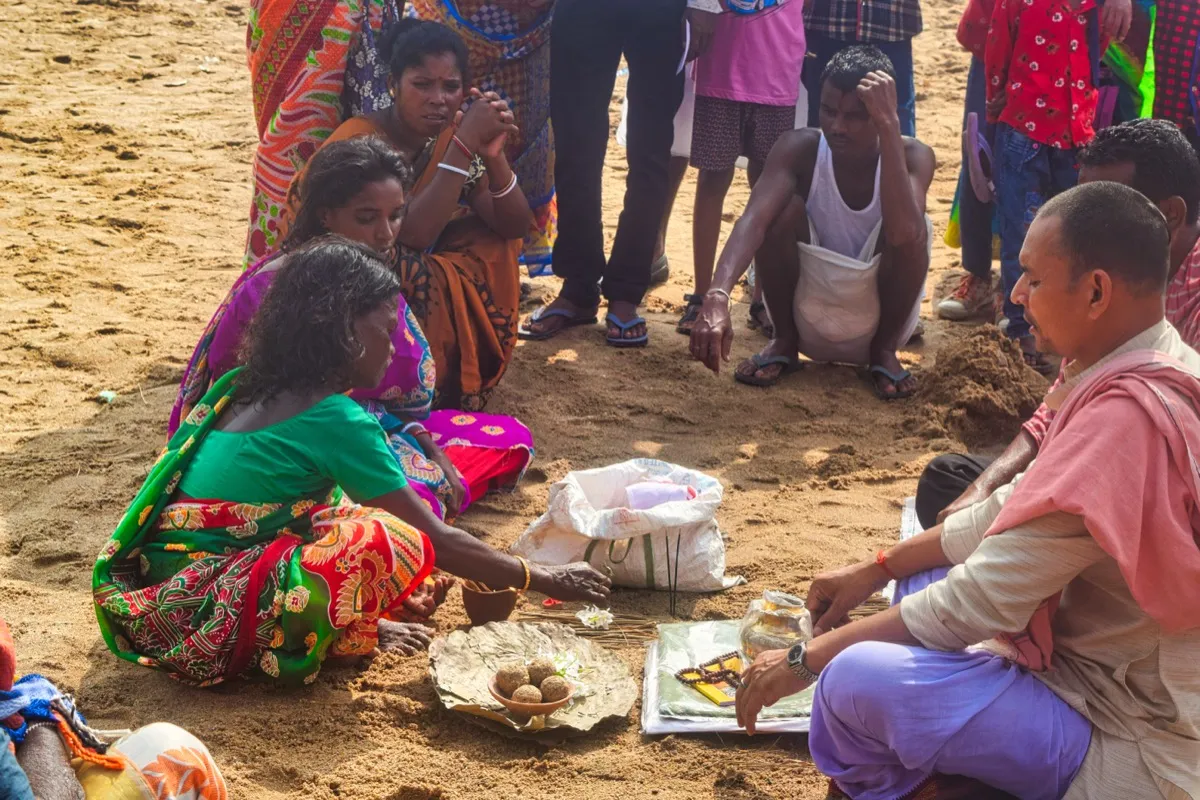
Gayawal Panda performs the complete shradh vidhi at the Phalgu ghat — Sankalp, Tarpan, samagri offering, and (where the package includes the Akshayavata extension) a tirtha-shradh at the imperishable banyan within the Vishnupad complex.
60–180 min
Gayawal Panda sends a same-evening WhatsApp confirmation with offerings detail. Photos and video available as opt-in add-ons.
Same day
When to perform
The Vayu Purana, in the Gaya Mahatmya, names the Phalgu river an incarnation of Vishnu himself — and the Mahatmya is the canonical authority for shradh performed at Gaya. Pitrupaksha (the 16-day fortnight in Ashwina Krishna Paksha) is the peak window, closing on Mahalaya / Sarva Pitru Amavasya which catches every ancestor including those whose tithi is unknown. The annual death-anniversary Tithi is the karta's lifelong obligation per Manusmriti, and the monthly Amavasya keeps the rite alive between Pitrupakshas. At Gaya the merit holds year-round; the city is one of seven Mahatmya tirthas where the shradh-mechanism does not lapse with the calendar.
Performed by Tirth Purohits at Triveni Sangam since 2019
Two ways to perform
Performed by your own hands at the Phalgu river ghat — Sankalp, Tarpan, and samagri offering under a Gayawal Panda. Extend to the Akshayavata within Vishnupad if your package includes it.
Starts at ₹7,100
For families abroad or unable to travel. Sankalp recited remotely; Gayawal Panda performs the shradh at the Phalgu with live video proof; gangajal couriered after the rite.
Starts at ₹10,999
Complete guide
An editorial reference covering the ritual, the place, eligibility, timing, and what to keep ready — written for families weighing the decision.
கயாவில் சிராத்தம்
கயாவில் நேரில் அல்லது இணையவழியில் சிராத்தம் செய்யும் தொகுப்புகளை முன்பதிவு செய்யுங்கள்.
இந்து மதத்தில் சிராத்தம் என்பது மறைந்த முன்னோரை நினைவுகூரும் சடங்கு. சில துறவிகளைத் தவிர இந்து ஆண்கள் இதைச் சமூக மற்றும் சமயக் கடமையாகச் செய்ய வேண்டும் என்று மரபு விளக்குகிறது. மறைந்த தந்தை, தாத்தா, கொள்ளுத் தாத்தா மற்றும் தாய், பாட்டி, கொள்ளுப் பாட்டி ஆகியோருக்காகச் செய்யப்படுகிறது. ஆன்மாக்கள் கீழ்நிலைகளிலிருந்து மேல்நிலைகளை நோக்கிச் செல்லும் பயணத்தில், மறுபிறப்பிற்கு முன் அவற்றைப் பேணிப் பாதுகாத்து ஆதரிப்பதே அதன் நோக்கம் என்று சமய நம்பிக்கை கூறுகிறது.
கயாவிற்கான 2026 சிராத்த நாள்காட்டி 26 செப்டம்பர் 2026 பௌர்ணமி சிராத்தத்தில் தொடங்கி, 10 அக்டோபர் 2026 சர்வ பித்ரு அமாவாசை வரை உள்ளது. பித்ருபக்ஷத்தின் கிருஷ்ண பக்ஷம் 27 செப்டம்பர் 2026 பிரதமை சிராத்தத்தில் தொடங்குகிறது. முன்பதிவை முடிவு செய்யும்முன் மறைந்த குடும்பத்தினரின் திதியையும் உள்ளூர் முகூர்த்தத்தையும் உறுதிப்படுத்துங்கள்.
தேதிகள்:
| தேதி | சிராத்தம் / அனுசரிப்பு |
|---|---|
| 26 செப்டம்பர் 2026 | பௌர்ணமி சிராத்தம் |
| 27 செப்டம்பர் 2026 | பிரதமை சிராத்தம் |
| 28 செப்டம்பர் 2026 | துவிதியை சிராத்தம் |
| 29 செப்டம்பர் 2026 | திருதியை சிராத்தம் |
| 29 செப்டம்பர் 2026 | மகா பரணி |
| 30 செப்டம்பர் 2026 | சதுர்த்தி சிராத்தம் |
| 30 செப்டம்பர் 2026 | பஞ்சமி சிராத்தம் |
| 1 அக்டோபர் 2026 | ஷஷ்டி சிராத்தம் |
| 2 அக்டோபர் 2026 | சப்தமி சிராத்தம் |
| 3 அக்டோபர் 2026 | அஷ்டமி சிராத்தம் |
| 4 அக்டோபர் 2026 | நவமி சிராத்தம் |
| 5 அக்டோபர் 2026 | தசமி சிராத்தம் |
| 6 அக்டோபர் 2026 | ஏகாதசி சிராத்தம் |
| 7 அக்டோபர் 2026 | துவாதசி சிராத்தம் |
| 7 அக்டோபர் 2026 | மக சிராத்தம் |
| 8 அக்டோபர் 2026 | திரயோதசி சிராத்தம் |
| 9 அக்டோபர் 2026 | சதுர்த்தசி சிராத்தம் |
| 10 அக்டோபர் 2026 | சர்வ பித்ரு அமாவாசை (மகாளயம்) |
மரணத்திற்குப் பிறகு ஆன்மா பல உலகங்களைக் கடந்து செல்ல வேண்டும் என்று இந்துப் புராண மரபு கூறுகிறது. மறைந்த முன்னோர்களைத் திருப்திப்படுத்தவும் முன்னோர் கடனை நிறைவேற்றவும் பித்ருபக்ஷத்தில் சிராத்தம் செய்யப்படுகிறது. அக்னி புராணம், கருட புராணம், வாயு புராணம் போன்ற நூல்கள் சிராத்தத்தின் முக்கியத்துவத்தை விரிவாக விளக்குகின்றன. கயாவில் பல்கு நதிக்கரையில் தசரதருக்காக ராமரும் சீதையும் பிண்ட தானம் செய்ததாகத் தல மரபு கூறுகிறது. சிராத்தம், பிண்ட தானம் மற்றும் அஸ்தி விசர்ஜனத்திற்காக இத்தலம் புகழ்பெற்றுள்ளது.
இந்து நூல்கள் கூறும் மரபுப்படி, முன்னோர்களுக்குத் தர்ப்பணம் அல்லது பிண்ட தானத்துடன் சிராத்தம் செய்யும் முதல் உரிமை மூத்த மகனுக்கு உள்ளது. திருமணத்திற்குப் பிறகு மகன் மனைவியுடன் செய்யலாம். மூத்த மகன் மறைந்திருந்தால் இளைய மகன் பிண்ட தானம், தர்ப்பணம் மற்றும் சிராத்தம் செய்யலாம். மகன் இல்லாவிட்டால் மகன்வழிப் பேரன் செய்யலாம். மகன் இல்லாதவரின் உடன்பிறந்தவர்களும் அவர் சார்பில் சிராத்தம் செய்யலாம். மகள்கள் மட்டுமே இருந்தால் மகள்வழிப் பேரனுக்குச் செய்யும் உரிமை இருப்பதாக மரபு கூறுகிறது. குடும்பச் சூழலுக்கேற்ற நடைமுறையைப் பண்டிதருடன் உறுதிப்படுத்துங்கள்.
கயாவின் பல்கு நதிக்கரையில் சிராத்தம் செய்யலாம். யாத்திரிகரின் முதல் புனிதத் தலமாகவும் முன்னோர் ஆன்மாக்களுக்கான முதல் படையலைச் சமர்ப்பிக்கும் இடமாகவும் இது கருதப்படுகிறது. வாயு புராணத்தின் ஒரு பகுதியாக உள்ள கயா மாஹாத்மியத்தின்படி பல்கு நதி விஷ்ணுவின் வடிவமாகப் போற்றப்படுகிறது. ஒரு தலக் கதையில் முன்பு இந்நதி பாலாகப் பாய்ந்ததாகக் கூறப்படுகிறது.
தொடர்புடையவை: கயா திரிபிண்டி சிராத்தம் — ₹34,999 | கயா பிண்ட தானம் — ₹7,100 | எங்கள் கயா பண்டிதர்கள்
கயா சிராத்தம் என்பது பாரம்பரியமாக கயாவல் பண்டிதரின் வழிகாட்டலில் செய்யப்படும் முன்னோர் சடங்கு. குடும்பத்தின் நோக்கத்தையும் திதியையும் பொறுத்து சங்கல்பம், பிண்டப் படையல்கள், தர்ப்பணம், விஷ்ணுபாத் அல்லது பல்கு பகுதியில் பிரார்த்தனைகள், தட்சிணை மற்றும் பிராமண போஜனம் இடம்பெறலாம். எல்லோருக்கும் ஒரே மாதிரியான தொகுப்பாகக் கருதாமல், குடும்பத்திற்குரிய சரியான வரிசையை உறுதிப்படுத்த வேண்டும்.
காட்டப்பட்ட விலைகள் பொருந்தும் GST-க்கு முந்தைய தற்போதைய அடிப்படை விலைகள். விருப்பமான பிராமண போஜனம், பயணம், தங்குமிடம் மற்றும் கூடுதல் சடங்குகளை கட்டணம் செலுத்தும்முன் உறுதிப்படுத்த வேண்டும்.
முன்னோரின் பெயர், உறவுமுறை, தெரிந்த திதி அல்லது இறந்த தேதி, தெரிந்தால் கோத்திரம், விருப்பமான தேதி, பங்கேற்பு முறை மற்றும் குடும்ப மரபுத் தேவைகளை வழங்குங்கள். திதியோ கோத்திரமோ தெரியாவிட்டால் ஊகிக்காமல் ஒருங்கிணைப்பாளரிடம் கூறுங்கள்; சங்கல்பத்திற்கு என்ன தகவல் தேவை என்று பண்டிதர் அறிவுறுத்துவார்.
நேரில் நடைபெறும் சடங்கிற்கான உறுதிப்படுத்தலில் சந்திப்பு இடம், எதிர்பார்க்கப்படும் கால அளவு, சடங்குத் தலங்கள் மற்றும் சேர்க்கைகள் குறிப்பிடப்பட வேண்டும். தொலைநிலை ஏற்பாட்டில் சங்கல்பம் யார் செய்கிறார், குடும்பம் எவ்வாறு பங்கேற்கிறது, உண்மையில் எந்த ஆவணம் அல்லது காணொலி சேர்க்கப்பட்டுள்ளது என்பதை உறுதிப்படுத்துங்கள். பித்ருபக்ஷக் கிடைப்பும் ஆண்டு முழுவதும் உள்ள ஏற்பாடுகளும் வேறுபடலாம்.
Select your package and complete booking. Our team calls within 2 hours to confirm details.
Provide your gotra, departed soul's name, and any special requirements.
Experienced pandit performs the complete ceremony at the sacred site.
The family receives ceremony updates on WhatsApp after completion.
The Vayu Purana, in its Gaya Mahatmya, names this city the canonical authority for ancestral rites — the Phalgu river is described as an incarnation of Vishnu himself, and the Akshayavata (the imperishable banyan within the Vishnupad complex) is named the tirtha where the shradh offering does not pass away with the season. Annual Tithi-shradh, Pitrupaksha shradh, and the closing Mahalaya / Sarva Pitru Amavasya rite all carry full Mahatmya merit here. Note that shradh and pind-daan are related but distinct: shradh is the annual ancestral sustenance rite (Brahmin bhojan, dakshina, tarpan), while pind-daan is the specific pinda-offering with peak efficacy at Gaya in Pitrupaksha. Both can be performed here.
According to Hindu shastra, the eldest son holds the first privilege to conduct shradh karma — tarpan, dakshina, and Brahmin bhojan in honour of the departed. After marriage, the son performs shradh with his wife. If the eldest son is deceased, the younger son carries out the rite. In the absence of a son, the grandson (son's son) is the next authorised performer; in the absence of male issue from the deceased, the brother performs shradh; and if the departed had only daughters, the daughter's son holds the right to conduct shradh karma. We coordinate the family-relation verification before the ceremony.
Shradh in Gaya is performed at the Phalgu river ghat — the Vayu Purana Gaya Mahatmya names the Phalgu an incarnation of Vishnu himself, and the river-side rite carries the strongest Mahatmya merit. Inside the Vishnupad complex stands the Akshayavata (the "imperishable" banyan), which is the tirtha where shradh offerings are said to be preserved across seasons; many packages extend the rite to include an Akshayavata-tirtha-shradh after the Phalgu offering. The Lilajan and Mohana streams meet at the mouth of the Phalgu — the confluence is considered ritually sanctifying per shastra tradition.
Three primary windows: (1) Pitrupaksha — the 16-day fortnight in Ashwina Krishna Paksha, closing on Sarva Pitru Amavasya (Mahalaya); this is the peak ritual window for collective ancestral shradh. (2) The annual death-anniversary Tithi — the karta's lifelong obligation per Manusmriti chapter 3. (3) Monthly Amavasya — the recurring touchpoint between annual rites. Pitrupaksha 2026 runs from September 26 (Purnima Shraddha) through October 10 (Sarva Pitru Amavasya); we recommend booking the family's specific tithi at least 2-3 weeks in advance during this window.
A standard Phalgu-ghat shradh takes 60-120 minutes, depending on the number of ancestors named and whether Brahmin bhojan is bundled. Packages that extend to the Akshayavata-tirtha-shradh add another 30-60 minutes. The full Tripindi Shradh (a 3-pinda rite for ancestors who died unnatural or untimely deaths) is a longer-form vidhi that runs 3-4 hours. Multi-day Pitrupaksha packages can stage shradh across consecutive tithis.
Shradh is the broader ancestral rite — annual Tithi, Pitrupaksha, and monthly Amavasya offerings nourishing the pitri-loka through tarpan (water libation), dakshina (gifts to the Brahmin), and Brahmin bhojan (feeding the priest as proxy for the ancestors). Pind Daan is the specific pinda-offering rite: rice-balls (pindas) shaped from cooked rice flour, kusha, and ghee, offered with mantras at Gaya's sacred vedis. Pind-daan is one component invoked during Pitrupaksha shradh and in special shradh subtypes (Sapindi, Tripindi); annual Tithi-shradh and monthly Amavasya shradh typically focus on tarpan + dakshina + Brahmin bhojan without the pinda offering. Many of our shradh packages can bundle pind-daan on request.
Yes. Online shradh is performed by a Gayawal Panda at the Phalgu ghat with live video proof — the karta recites Sankalp remotely (over Zoom or WhatsApp), the panda performs tarpan, dakshina is recorded, and Brahmin bhojan is conducted on the family's behalf. Names and gotra are confirmed remotely before the sankalp. The Vayu Purana Gaya Mahatmya does not condition the merit of shradh on physical presence at the ghat — the Sankalp and the offering define the rite, both of which can be authentically performed with the karta participating remotely. Online shradh carries the same scriptural validity as in-person attendance.
Tripindi Shradh is a special shradh subtype performed for ancestors who died unnatural, untimely, or violent deaths — accident, suicide, sudden illness, or death in a foreign land — where the standard Sapindikarana (the rite that admits the soul to the ranks of established ancestors) was not performed at the time. The rite involves three pindas offered to specific deity-groups across three vedis at Gaya. Pitrupaksha (and especially Mahalaya Amavasya) is the ideal window, though Tripindi is valid year-round. We offer Tripindi at ₹34,999 with bundled Brahmin bhojan and dakshina; the rite takes 3-4 hours.
Drawn from puranic references and pandit consultations — for families who want to understand the ritual's meaning before booking.
Free consultation
We’ll listen, understand your family’s situation, and recommend the right package — never push. Reply within 10 minutes on WhatsApp, every day.