अभी तक कोई अनुष्ठान नहीं चुना गया।
पूजा पैकेज देखें → Save 35%
Pind daan in Ujjain
Pind daan in Ujjain
Vidhivat Pind Daan at Kshipra ghat, Ujjain Experienced Purohit (Ujjain rituals) Complete...
from
₹7,100
₹11,000

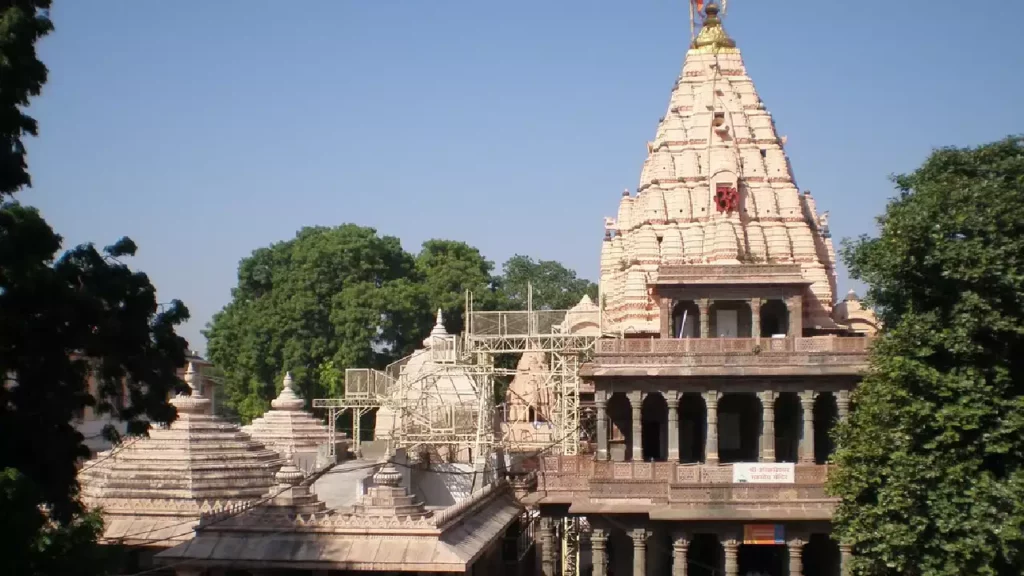
The ancient city of Ujjain was characterised by the famed Sanskrit poet Kalidasa as "a town fallen from heaven to bring heaven to earth."
This ancient city, located in the heart of Madhya Pradesh, is a maze of bustling streets that thread between temple clusters, earning it the moniker "the city of temples."
Ujjain is one of Hinduism's seven sacred cities, situated on the banks of the holy Kshipra (Shipra) River, which hosts the world's largest spiritual gathering, the Kumbh Mela, every 12 years.
During Simhast Kumbh, which brings millions of devotees from all over the world to take a bath in the Kshipra River in the hope of being cleansed of their sins, the city is as beautiful as a bride. Hindus also believe that by doing so, they will be able to achieve moksha or freedom from the cycle of birth and death.
The city's rich tradition and vibrant arts and crafts are different and unique since it has been under the patronage of various monarchs. Traditional printed textiles such as batik, bagh, Bhairavgarh print, and screen are particularly popular. Look for sarees and yardages that have been printed using any of these methods.
Ujjain's history may be traced back to 600 BC when the city was home to hundreds of temples. It was originally part of the great Mauryan empire, and it was even ruled by Emperor Ashoka.
It is stated that when Ashoka's father Bindusara sent him to Ujjain to put down an insurrection, he was injured and treated by Buddhist monks, which was the king's first interaction with Buddhism, which he eventually converted to.
Mahakaleshwar Temple is dedicated to Lord Shiva and is one of the country's 12 jyotirlingas.
It is also one of Ujjain's most notable temples. The Mahakaleshwar lingam (a symbolic depiction of Lord Shiva) is said to be swayambhu, or self-manifested, and is housed in an underground chamber.
The current temple, which is a five-story edifice, was built in the middle of the 18th century. The temple is an architectural masterpiece, built in the Bhumija, Chalukya, and Maratha styles.
[caption id="attachment_6142" align="alignnone" width="370"]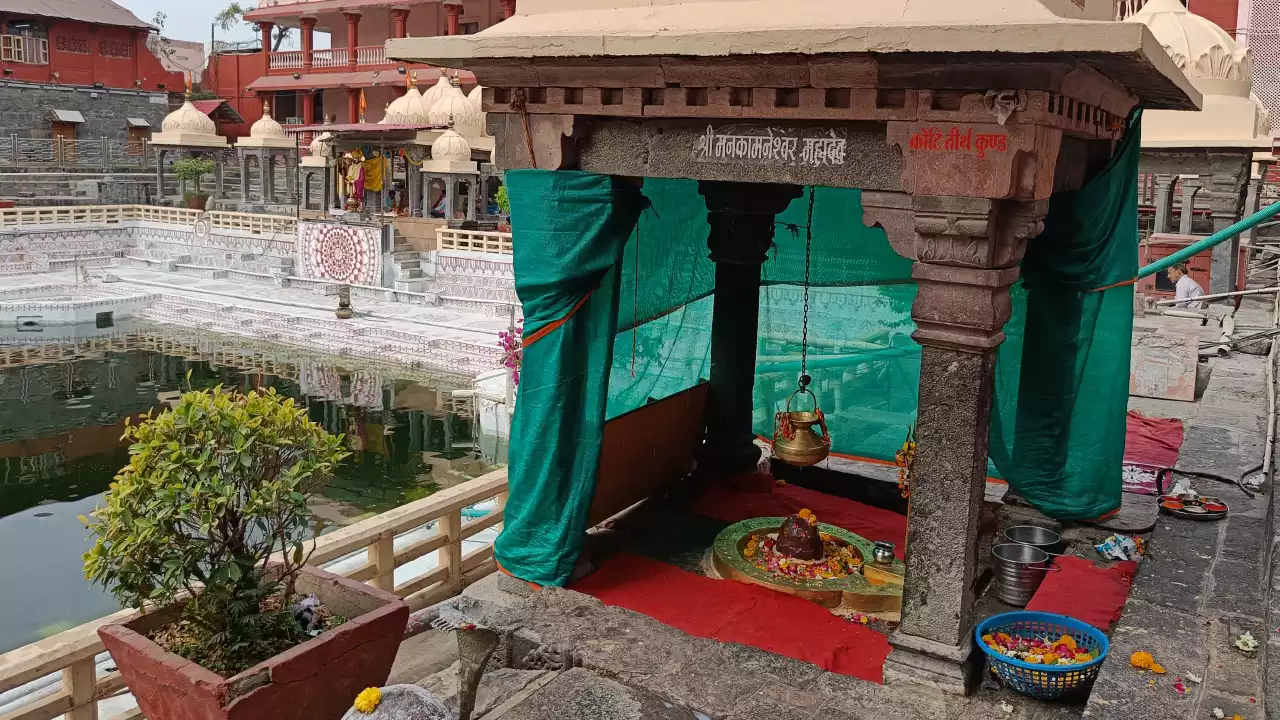 Mahakaleshwar Temple, Ujjain[/caption]
The marble pathways, which were repaired by the Scindias in the second part of the nineteenth century, are noteworthy. Mahakalesvara, Omkaresvara, and Nagachandresvara lingams occupy three floors of the building, respectively.
Only on the festival of Naga Panchami is the Nagachandresvara lingam open to worshipers. On the premises, there is also a kunda (tank) called Koti Tirtha, which was built in the Sarvatobhadra style.
Several representations of the original building of the temple, representing its magnificence during the Paramara period, may be found on the walk leading from the Kunda to the temple (9th and 14th centuries).
The temple, which is near Rudra Sagar, holds a unique Bhasma Arti for which worshippers arrive as early as 4 a.m. The illuminated diyas make for a lovely picture, and there is an upbeat spirit in the air.
Every soul strives for Mukti, or freedom from the cycle of life, death, and rebirth. The Hindu religious commitment of the living family is to assist the souls of their dearly departed loved ones in achieving this freedom.
Ancestors' spirits must also be appeased in order for their descendants on Earth to be blessed with peace and prosperity. Pind Daan, a Hindu ceremony for the departed and ancestors, is therefore performed with the assistance of Brahmin pandits, or Hindu priests.
Pind is offered symbolically in the rite. One of the seven pinds offered as an offering is dedicated to the soul of a dearly departed loved one. The rest is offered to the ancestors' spirits.
Pind is a dough ball made from rice, oat, and wheat flour, as well as dried milk and honey. Pind Daan is a religious requirement for Hindu devotees, and it takes on added significance during the Ashwin fortnight.
Ujjain is a vast presentation of the cultural past as portrayed in the Vedas, as well as a religious spectacle, and is located in the enormous Indian state of Madhya Pradesh. The Mahakaleshwar Temple, dedicated to Lord Shiva, is one of the town's many great temples.
Ujjain is home to the mystical Shipra River. According to Hindu texts and epics, this body of water is one of the holy rivers. By the banks of the flowing holy waters, Hindu religious activities are held.
Pind Daan, a Hindu rite for the dearly departed and ancestors' spirits, is usually held on these banks. Hindu families travel to these places to perform rituals for deceased family members and pay honour to their ancestors, most notably at the Ram Ghat and the Siddhwat temple.
Ujjain is home to the mystical Shipra River. According to Hindu texts and epics, this body of water is one of the holy rivers. By the banks of the flowing holy waters, Hindu religious activities are held. Pind Daan, a Hindu rite for the dearly departed and ancestors’ spirits, is usually held on these banks. Hindu families travel to these places to perform rituals for deceased family members and pay honour to their ancestors, most notably at the Ram Ghat and the Siddhwat temple.
Where is Ujjain located?Ujjain is a city in the state of Madhya Pradesh in central India. It is situated in the Malwa Plateau, on the east bank of the Sipra (Shipra) River, a Chambal River tributary. Ujjain is one of Hinduism’s seven holiest cities.
Is there a way to get darshan via the internet?No, there isn’t an option for online darshan.
How is the climate in Ujjain?Ujjain’s Climate and Average Weather Throughout the Year The rainy season in Ujjain is oppressive and mostly foggy, while the dry season is mostly clear and hot all year. The temperature normally ranges from 52°F to 103°F throughout the year, with temperatures rarely falling below 46°F or rising over 108°F.
What is the climate like in July?In July, the average minimum temperature in Ujjain is 22.0°C (71.6°F), which is mainly recorded during the night. July is the wettest month of the year, with an average rainfall of 279mm (11.0in). On average, there are 20 days of rain every year. The average maximum temperature during the day is around 30.0°C (86°F).
Is there a good time to visit Ujjain?Between the months of October and March, when the weather is favourable, is the finest time to visit Ujjain. Ujjain may be too hot for you the remainder of the year, with temperatures reaching 37 degrees Celsius.
When can we do Pind daan?Pind daan can be done anytime while the whole year, but pitrupaksha a 18 day period before Navaratri is considered as holy time to conduct the ritual.
Is Pind daan necessary?Pind daan is a holy ritual which is conducted after the cremation of an individual, it is an offering to our grands, so they can acquire sadgati (next stage of life after death).
What is the procedure of Pind daan?Pind daan is conducted by the purohits/pandas over the banks of river in Gaya, Prayag & Varanasi. They conduct Ganga poojan, pinda poojan, tarpanam, sankalpam.
Is it permissible to bring cell phones and other electronic devices into Mahakaleshwar temple?No. In the temple, all electronic devices are prohibited (viz. mobile, camera, laptop). At the temple’s entrance, there is free storage for the same.
Can a Daughter perform Pind daan?When there are no male relatives who are ready or able to carry out Pind Daan, female relatives such as daughters and mothers can carry it out.
Select your package and complete booking. Our team calls within 2 hours to confirm details.
Provide your gotra, departed soul's name, and any special requirements.
Experienced pandit performs the complete ceremony at the sacred site.
Full ceremony video on WhatsApp within 24 hours. Digital certificate shared via email.
Save 35%
Vidhivat Pind Daan at Kshipra ghat, Ujjain Experienced Purohit (Ujjain rituals) Complete...
Yes. Ujjain's Siddhavat — a sacred banyan tree on the Shipra River's banks — is a significant site for Shradh and Pind Daan, believed to carry merit equivalent to rites performed at Prayagraj's Akshayavat. Tarpan can also be performed at Ram Ghat on the Shipra. Experienced priests are available to guide these rites properly. For the most meritorious Pind Daan, Gaya (Bihar) and Prayagraj remain the primary destinations.
Ujjain is one of the Saptapuris — the seven cities in Hindu tradition that grant liberation (moksha) to those who visit them. It is home to the Mahakaleshwar Jyotirlinga, has ancient scriptural mentions in the Mahabharata and multiple Puranas, was the site of the Kumbh Mela (Simhastha), and has been a continuous centre of Shaiva worship, Vedic scholarship, and royal patronage for over three millennia.
The 7 Moksha Kshetras (the seven sacred cities of liberation) identified in Hindu scripture are: (1) Ayodhya — birthplace of Lord Rama, (2) Mathura — birthplace of Lord Krishna, (3) Haridwar (Mayapuri) — where Ganga enters the plains, (4) Varanasi (Kashi) — the city of Shiva where Pishach Mochan is for ancestor liberation, (5) Kanchipuram — sacred city in South India, (6) Ujjain (Avantika) — Mahakaleshwar Jyotirlinga, and (7) Dwarka — Krishna's kingdom. Pind Daan performed in any of these seven cities carries exceptional spiritual merit. Additionally, Gaya (while not always counted among the 7 Moksha Kshetras) is considered the supreme Pitru Tirtha specifically for ancestral rites. Many pilgrims combine Pind Daan with visits to these sacred cities as part of a comprehensive spiritual pilgrimage.
October to March offers the most comfortable weather for a Ujjain pilgrimage. However, Sawan (July-August) and Mahashivratri are the most spiritually charged times, though crowds are significantly larger. Nag Panchami (July-August) is special because the Nagchandreshwar shrine on the third floor opens for public darshan — the only day it does so all year.
Ujjain is approximately 55 km from Indore. The most convenient options are: taxi or cab (about 1 hour), local bus from Indore's bus stand (about 1.5-2 hours), or train (multiple daily services, about 1 hour journey). Indore has the nearest airport, so most pilgrims fly into Indore and travel to Ujjain by road or rail.
Traditionally, the eldest son performs Pind Daan on behalf of the family. Any male descendant in the direct paternal line — son, grandson, or nephew — is eligible. A daughter's son (Dauhitra) may perform the rite when there is no male heir in the paternal line. In the modern era, many traditions also allow a devoted daughter to perform Shradh and Pind Daan, particularly in the absence of a male heir, with proper guidance from a qualified Pandit.
Prayag Pandits offers both in-person and online (live video) options for all Pind Daan services across all nine cities. The online option via WhatsApp or Zoom is fully valid from a Vedic perspective when the devotee participates actively in the Sankalp — the formal declaration of intent that personalises the ritual to your family. Your name, gotra, and the names of your departed ancestors are recited during the Sankalp, establishing the direct spiritual connection regardless of your physical location. This option is especially popular with NRI families and those who cannot travel on short notice.
Do not worry. Our pandits are experienced in guiding families who are unfamiliar with the ritual requirements. We will help you determine the necessary information before your ceremony and guide you through the process step by step. If you do not know your gotra, we use the standard prescribed alternatives that the Shastras sanction for such situations. No family should be prevented from performing their sacred obligations by lack of procedural knowledge — that is precisely what our pandits are there to provide.