No rituals selected yet.
Browse Pooja Packages →Key observances
- Purnima Shraddha
- Pratipada Shraddha and Pitru Paksha begins
- Maha Bharani
- Navami Shraddha
- Dwadashi and Magha Shraddha
- Sarva Pitru Amavasya
New Zealand: Pitru Paksha begins · 27 September
Sarva Pitru Amavasya · 10 October 2026Auckland dates and nationwide joining guidance
The Auckland calendar begins Pitru Paksha on Sunday, 27 September and places Sarva Pitru Amavasya on 10 October 2026. There is one important planning detail: daylight saving begins at 2:00am on the opening day. This guide separates the local calendar from the India ceremony time, explains the ancestral rites, and helps your household join a physical Pind Daan at the chosen tirtha.
NZ daylight saving begins 27 SeptemberChatham time converted separately
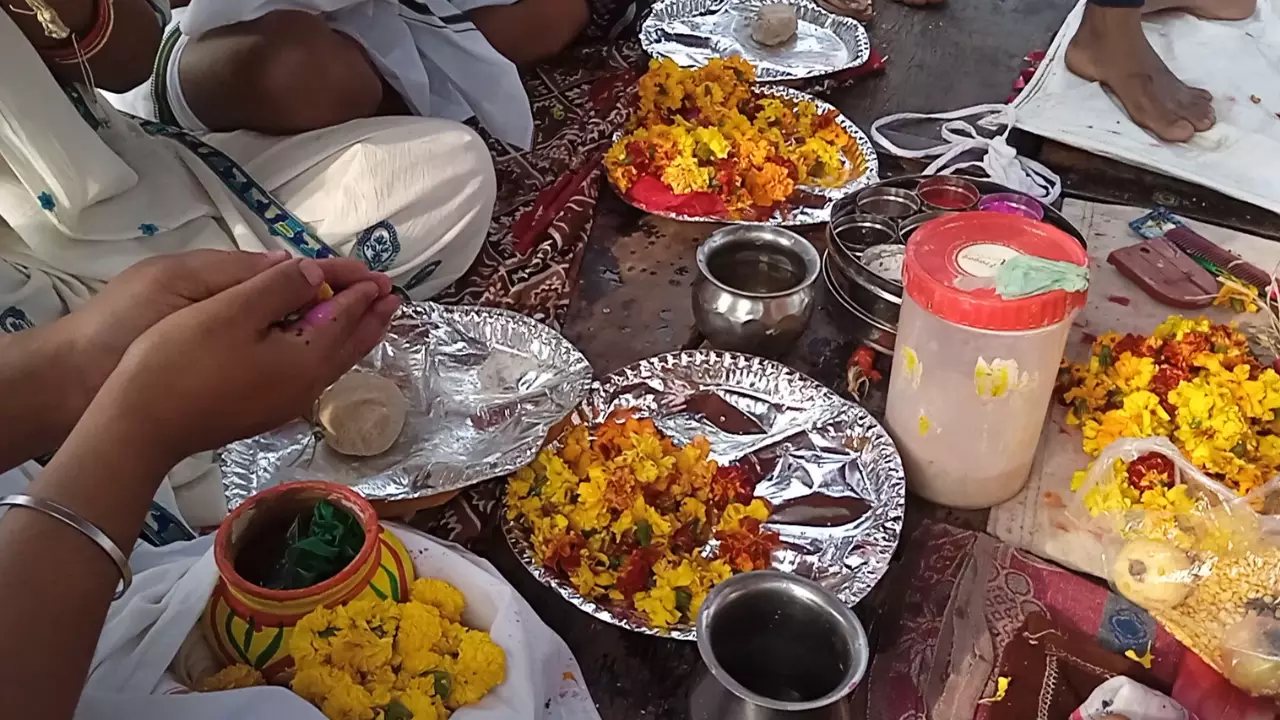
Four sacred tirthasGaya, Prayagraj, Varanasi and Haridwar
Family SankalpNames and gotra prepared respectfully
Live participationVia live video conferencing
New Zealand time confirmedShared clearly before the ceremony
Auckland calendar and official clock guidance
Purnima Shraddha on 26 September comes before the annual clock change. Pratipada Shraddha on 27 September begins Pitru Paksha after daylight saving starts, and Sarva Pitru Amavasya falls on 10 October. This difference matters when an India ceremony time is converted for your family.
The change occurs on 27 September
On 26 September, 9:00am in India is 3:30pm in mainland New Zealand. From 27 September, the same India time is 4:30pm. Chatham Islands are a further forty-five minutes ahead. These examples help with planning; the precise ceremony time is always confirmed after the tirtha schedule is settled.
Date reference: location-specific Shraddha calendar for Auckland. Time-change reference: New Zealand Government daylight-saving guidance.
Keep local worship and India seva distinct
At home or your local mandir
Prayer, remembrance, charity and a taught Tarpan practice in New Zealand should follow your family’s sampradaya and local panchang. Ask a trusted local purohit when the method is uncertain. Prayag Pandits does not provide an in-person pandit within New Zealand.
Read the Pitru Tarpan at-home guideAt Gaya, Prayagraj, Kashi or Haridwar
For an India seva, the tirtha’s local date and muhurta govern the ceremony. The pandit, pindas and stated samagri remain there; your family participates from New Zealand via live video conferencing at the converted time.
See India seva optionsA quiet meaning behind the observance
My dear family, the Skanda Purana connects Shraddha with shraddha—sincere faith. A clock change may require careful planning, but it does not alter this inner purpose. Confirm the correct day, understand the rite, and then offer your attention peacefully when the family joins.
Traditional reference: Skanda Purana, Book VI (Nagara Khanda), Chapter 218.Questions New Zealand families often bring
A death ceremony, the first annual observance, a Pitru Paksha remembrance and a later tirtha visit should not be treated as one interchangeable booking.
Use the ancestor’s tithi when it is known and prescribed; ask about Sarva Pitru Amavasya when the date is not known.
View Shradh and TarpanShradh is the wider observance, Tarpan principally offers water, and Pind Daan centres on the physical pinda offering.
Compare Pind Daan packagesAsthi Visarjan is arranged separately at a sacred river location. Ashes are not needed for an ordinary Pind Daan booking.
View Asthi VisarjanFood, haircuts, nails, travel and work disciplines vary. Follow your own received practice without turning custom into fear.
See the NRI seva guideIndia sevas for New Zealand households
Begin with a sacred place already named by your family. Otherwise, compare the physical location, included rites and practical New Zealand joining time; an India morning ceremony usually falls in the afternoon or evening here.
The physical ceremony remains at the selected tirtha in India. You join from New Zealand via live video conferencing.
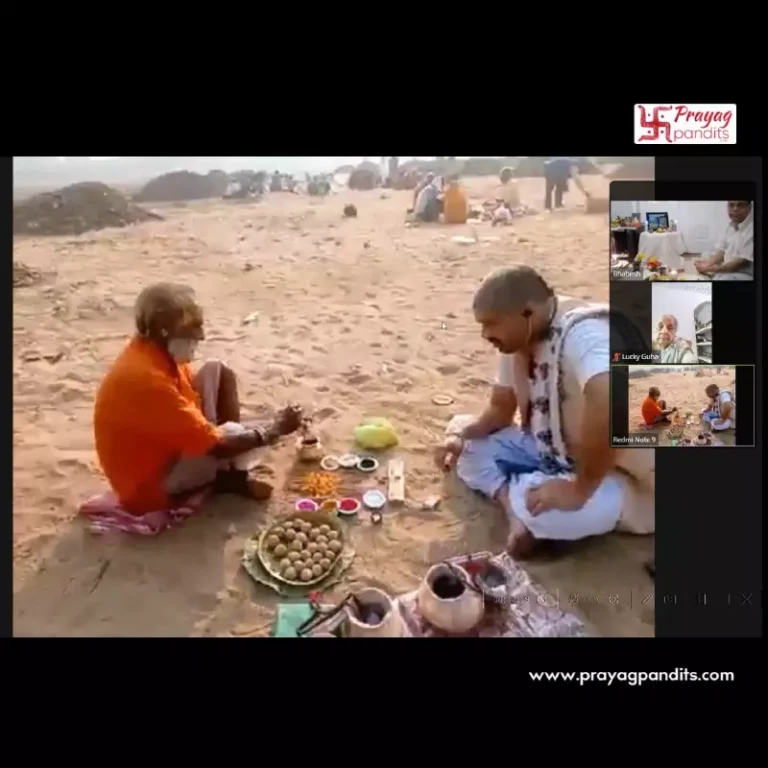
Vishnupad or Phalgu area
For a family choosing the Gaya Kshetra tradition at the Vishnupad or Phalgu area.
Pandit, samagri, family Sankalp and live participation
Please note: Tarpan, Brahmin Bhoj and Gau Daan are separate arrangements unless they are expressly named in the selected package.

Triveni Sangam
For a family seeking the ceremony at the confluence of the Ganga, Yamuna and Saraswati.
Pandit, samagri, family Sankalp and live participation
Please note: Travel, boat arrangements and other separate rites are not included in this online package.
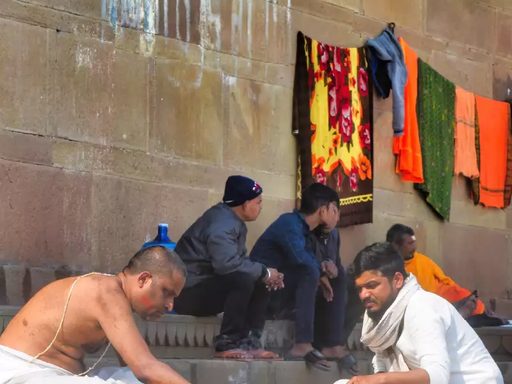
Ganga Ghat, Kashi
For a family wishing to offer Pind Daan in Kashi beside the sacred Ganga.
Pandit, samagri, family Sankalp and live participation
Please note: Tarpan, Asthi Visarjan, Narayan Bali and Tripindi Shradh are separate arrangements. Travel and optional donations are not included.

Har Ki Pauri
For a family wishing to offer Pind Daan where the sacred Ganga enters the plains.
Pandit, samagri, family Sankalp and live participation
Please note: Tarpan, Asthi Visarjan and other separate ceremonies are not included. Travel and optional donations are separate.
Coordinate the day before the connection
State whether this is an annual tithi, Pitru Paksha observance, tirtha Pind Daan or a separate post-death rite.
Read what is included at Gaya, Prayagraj, Varanasi or Haridwar before selecting and paying for a package.
We account for the 27 September daylight-saving change, mainland New Zealand, Chatham Islands and any relatives abroad.
Gather early with a charged device and stable connection, then participate via live video conferencing as the pandit guides you.
Please write the joining city beside each household. A copied Auckland time is not correct for Chatham Islands, and relatives overseas may be on a different daylight-saving schedule.
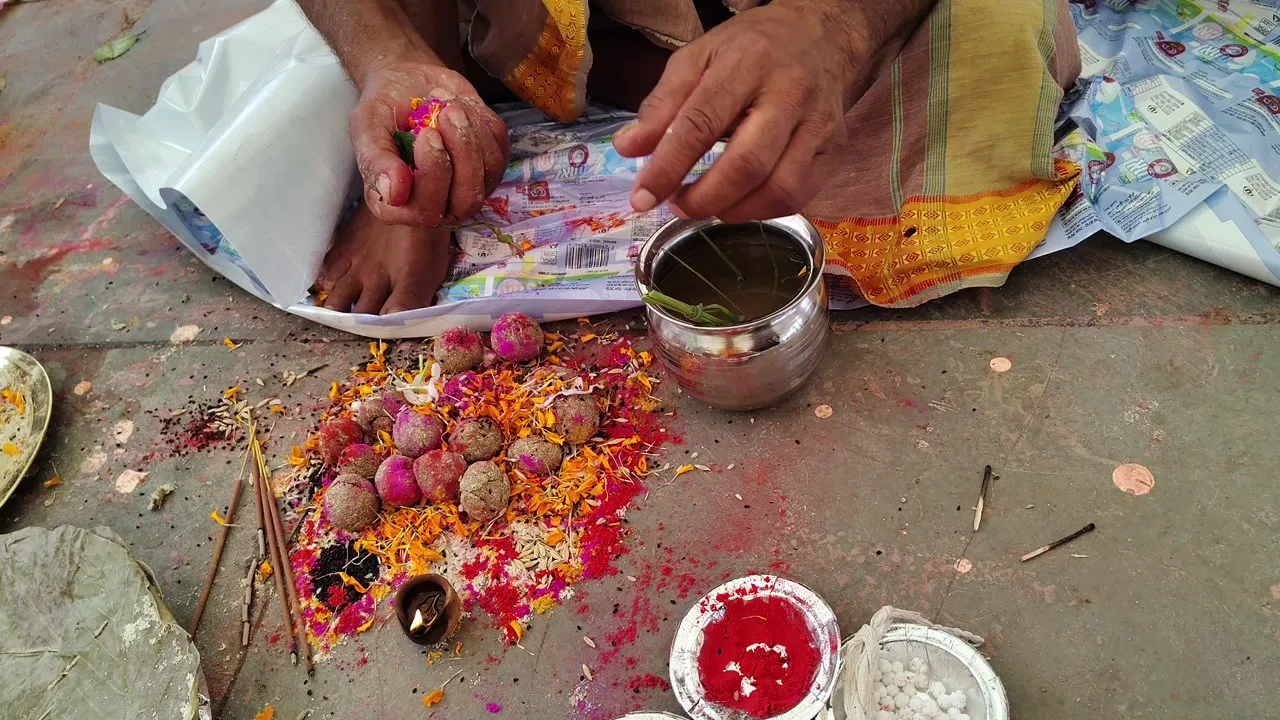
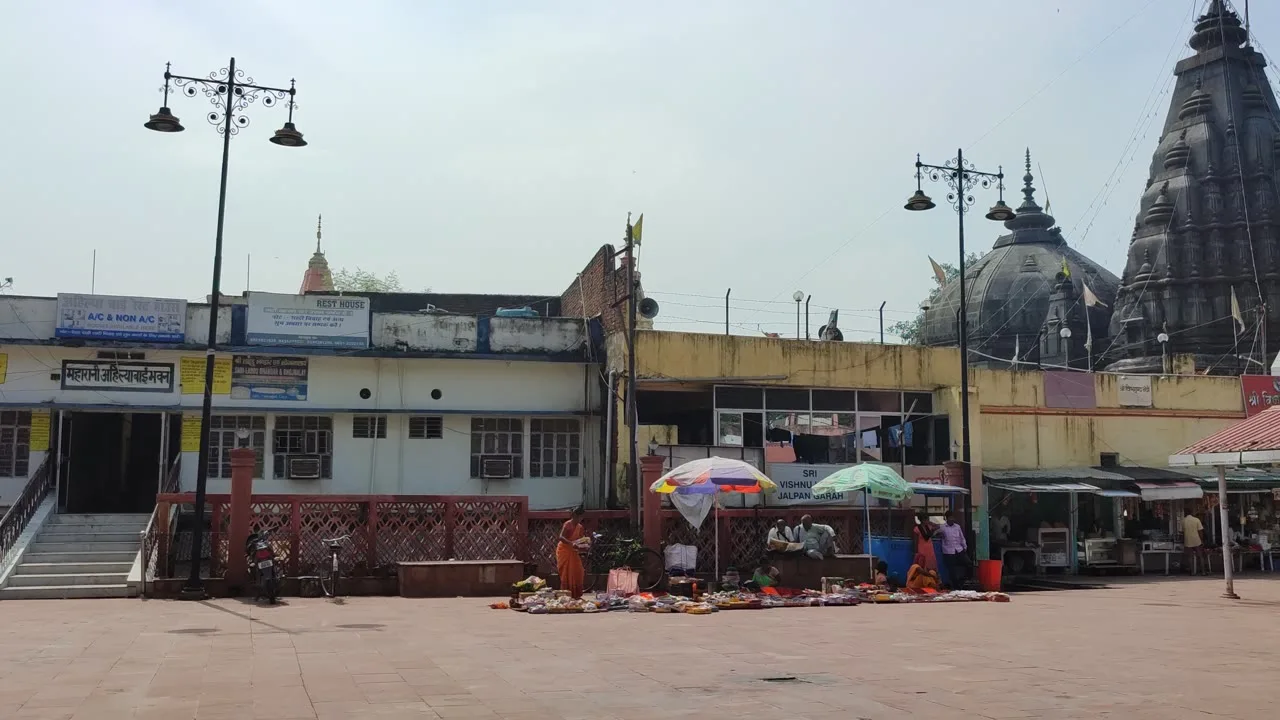
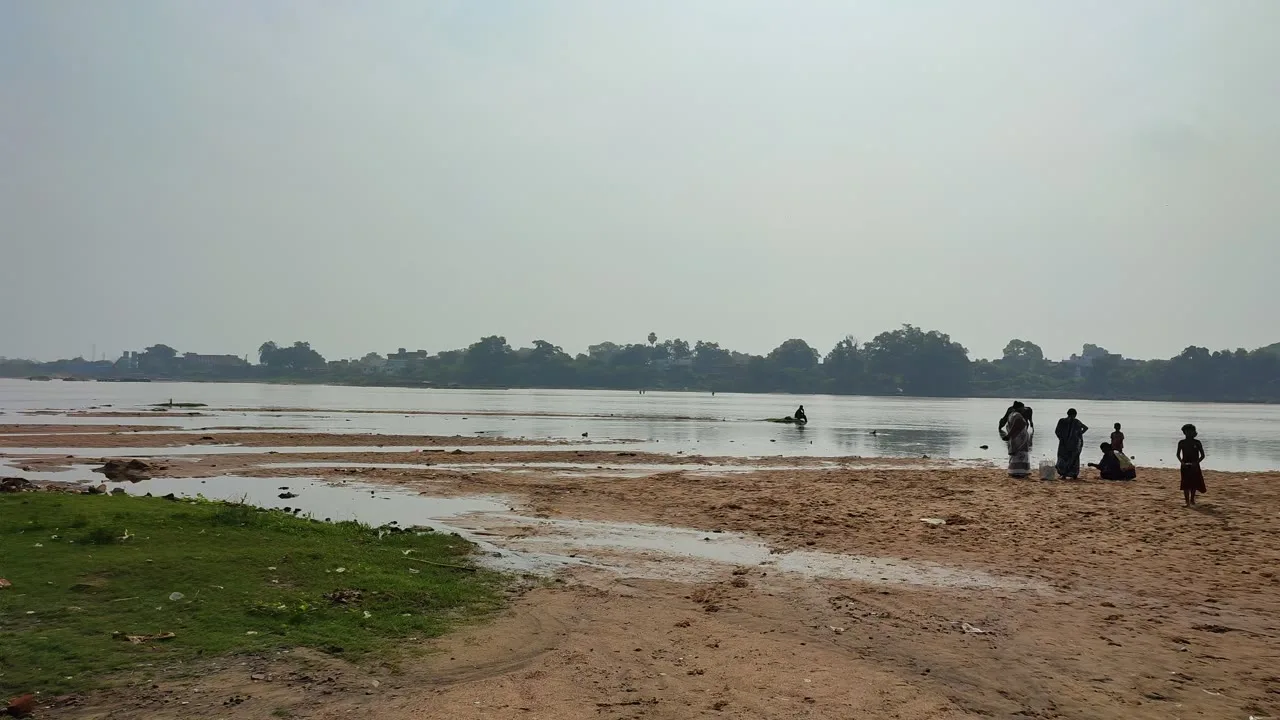
Supported from India
Read the selected product page once more before booking so the location, included rites and participation mode remain clear to the whole family.
Please read before booking
The Auckland calendar lists Purnima Shraddha on Saturday, 26 September. At 2:00am on Sunday, 27 September, clocks move forward one hour; that same civil day carries Pratipada Shraddha and the beginning of Pitru Paksha. Sarva Pitru Amavasya follows on 10 October.
This creates two conversions within the planning window. Mainland New Zealand is six hours and thirty minutes ahead of India on 26 September, then seven hours and thirty minutes ahead from 27 September. Chatham Islands remain forty-five minutes ahead of the mainland. The broader Shradh dates guide can help you understand the sequence.
A civil-date list is a planning aid, not a replacement for a family instruction. When the ancestor’s death tithi is known, many households observe its corresponding Shraddha. If your mandir or purohit has already confirmed the New Zealand day, keep that guidance.
When the tithi is not known, Sarva Pitru Amavasya may be considered according to tradition. Do not guess a date merely to complete a booking. Tell the pandit what is known, including the relationship and approximate history, so the Sankalp can be discussed honestly.
Shradh or Shraddha is the wider ancestral observance undertaken with faith and Sankalp. Tarpan principally offers water. Pind Daan centres on the preparation and offering of pindas, often at a sacred tirtha.
The three names should not be placed together merely as keywords or treated as identical packages. Begin with the purpose: a home water offering, an annual Shraddha, or a physical Pind Daan in India. If ashes need immersion, choose Asthi Visarjan separately.
Families sometimes ask when Pind Daan should be performed after a death, or what happens if it was not done earlier. Please approach this without fear. Dashgatra, the later-day rites, the first annual Shraddha, annual tithi and a later tirtha Pind Daan are not interchangeable occasions.
Write down what was performed and when, then follow the chronology given by the family purohit. A general Pitru Paksha package should not silently replace a specific rite already prescribed. When the intended Karta is uncertain, the family eligibility guide explains common situations.
Questions about haircuts, nail cutting, food, celebrations, travel and ordinary work have different answers across families. Keep the fortnight with sattvic conduct and respect, but do not turn a neighbouring household’s custom into a universal prohibition.
Work and essential travel may be unavoidable in New Zealand. Follow the discipline actually received from your elders or purohit, make room for remembrance within your capacity, and do not allow anxiety about a missed custom to replace the purpose of Shraddha.
Online Pind Daan is available in Gaya, Prayagraj, Varanasi and Haridwar. If the family has no prescribed tirtha, begin with the NRI Pind Daan destination guide, then review the product page for the included rite, samagri and current price.
PayPal checkout accepts international cards. After payment, the coordinator confirms availability, collects the Sankalp details and converts the India time for Auckland, Wellington, Christchurch, Chatham Islands or each relative’s location. The family then joins via live video conferencing.
Questions from New Zealand households
Use these answers to plan the correct local day, understand what the family is arranging and avoid a mistaken time when several households join.
For Auckland, Purnima Shraddha is on 26 September, Pratipada Shraddha begins the fortnight on 27 September, and Sarva Pitru Amavasya is on 10 October 2026. Use a date already confirmed by your own purohit or mandir when one has been given.
New Zealand daylight saving begins at 2:00am on Sunday, 27 September 2026—the opening day of Pitru Paksha in the Auckland calendar. Mainland New Zealand is six hours and thirty minutes ahead of India on 26 September and seven hours and thirty minutes ahead from 27 September.
Yes. The Chatham Islands are forty-five minutes ahead of mainland New Zealand. Share the location of each household so the correct local joining time can be confirmed rather than copied from Auckland.
Sarva Pitru Amavasya on 10 October may be considered when the tithi is unknown, according to family tradition. If a local mandir or family purohit has already guided you, let that instruction come first.
Yes. A household may observe through remembrance, prayer, sattvic conduct and charity according to its tradition. Tarpan or other prescribed actions should follow a method actually taught by a trusted purohit.
Shradh is the wider ancestral observance, Tarpan is principally an offering of water, and Pind Daan centres on offering pindas. They are related but not interchangeable; first identify what your family is seeking to perform.
Please do not approach the question with fear. Explain which post-death and annual rites have already been completed, and receive guidance on what remains appropriate for your tradition and circumstances.
Immediate rites, the first-year sequence, annual Shraddha and a later tirtha Pind Daan are not the same occasion. Follow the chronology given by the family purohit and do not replace an advised rite with a general Pitru Paksha booking.
The current Gaya package price is shown on this page and on its product page. Read the complete inclusions before paying, because a basic Pind Daan and a package that includes Brahmin Bhoj or another rite do not have the same scope.
These disciplines vary across households and sampradayas. Follow the practice given by your elders or purohit while continuing unavoidable work with dignity. Another family’s custom should not become a source of fear.
The answer depends on the ancestor for whom the rite is intended and on family tradition. State clearly which parents and grandparents are living so the Karta and Sankalp can be settled before booking.
Families may choose Gaya, Prayagraj, Varanasi or Haridwar. If an elder or priest has named a tirtha, begin there; otherwise, compare the actual rites and materials included in each package.
Yes. Families may join from Auckland, Wellington, Christchurch, Hamilton, Tauranga, Dunedin, Queenstown or elsewhere. Nominate one coordinator and provide each household’s location so the daylight-saving conversion is handled correctly.
Keep the proposed Karta’s name, ancestor names and relationships, gotra and death tithi if known, the chosen tirtha, and any instruction from an elder or priest. Say plainly when something is not known.
Yes. PayPal checkout is available and international cards are accepted. After you review the package and amount shown at checkout, the coordinator confirms availability and your exact New Zealand joining time.
Pitru Paksha · 27 September–10 October 2026
Confirm the tithi, account for the 27 September clock change, and choose the tirtha that fits the family instruction. Then review the complete package; PayPal checkout accepts international cards and the exact New Zealand time is confirmed before the ceremony.