Key Takeaways
- Pitru Paksha Important Dates for 2026
- How to Choose the Correct Shradh Date
- Book Pitrupaksha 2026 Rituals Early
In This Article
The Pitru Paksha is a Hindu ceremony in which Hindus pay honour to their ‘pitrs,’ or ancestors. It lasts 16 days during Krishna paksha, or the time between Purnima and Amavasya, in the month of Ashvin or Bhadrapada, according to the Hindu calendar. For three generations of ‘Pitrs,’ the Shraddha is performed. Reading sacred Hindu literature such as the ‘Agni Purana,’ ‘Garuda Purana,’ and other accounts of Ganga Avataram and Nachiketa is highly advised during Pitru Paksha. According to Hindu mythology, the departed souls of the ancestors can only rest in peace when the Shraddha ceremonies are completed.Pitru Paksha is also known as “Pitri Pokkho,” “Apara Paksha,” “Peddala Amavasya,” “Jitiya,” or “Sola Shradha”.The Pitru Paksha also known as Mahalaya Paksha, is a Hindu ceremony in which Hindus pay honour to their ‘pitrs,’ or ancestors. It lasts 16 days during Krishna paksha, or the time between Purnima (full moon day) and Amavasya, in the month of Ashvin or Bhadrapada, according to the Hindu calendar. Pitru Paksha begins after the Ganesh Chaturthi festival, and the most important day is known as ‘Mahalaya Amavasya,’ ‘Pitru Amavasya,’ ‘Sarvapitri Amavasya,’ ‘Peddala Amavasya,’ or simply ‘Mahalaya.’
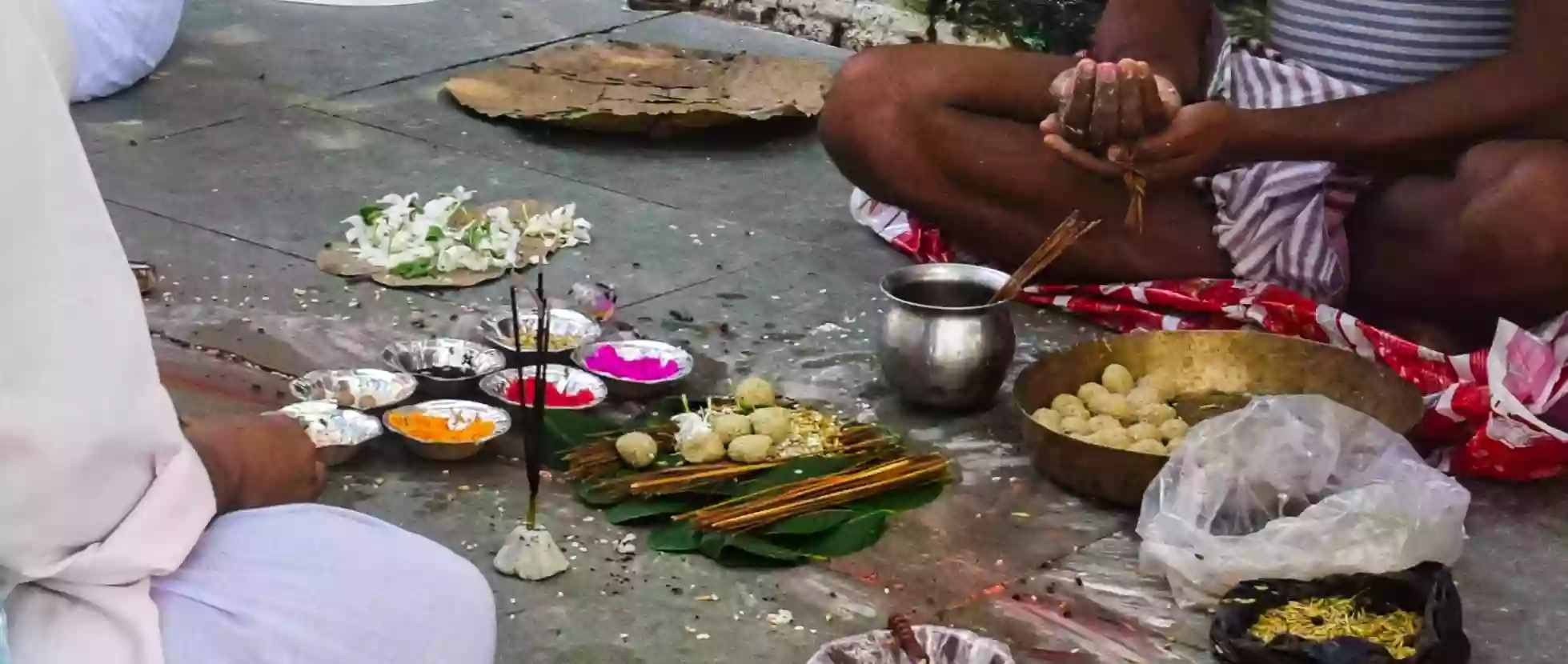 The Hindus consider PitraPaksha to be unlucky because of the death rites done throughout the festivities. The ‘tarpan’ or ‘Shraddha’ ceremonial is the name given to this ritual. For three generations of ‘Pitrs,’ the Shraddha is performed. Hindus send food and prayers to their ancestors during this period. This is done to ensure that the family remains blessed by removing any ‘pitru dosh.’ Only the male members of the family participate in the Pitru Paksha rites. Furthermore, the Pitru Paksha rites differ from one place to the next.
 PitraPaksha guidelines:
- The Shraddha or tarpan rituals are conducted by a male family member, usually the eldest son. On the day of Pitru Paksha, the Pitru Paksha observer bathes and wears a dhoti and ring made of Kush grass. According to Hindu scriptures, the Kush grass represents compassion and is used to invoke the ancestors.
- Following this, pind daan, the ritual of presenting sesame seeds, rice, and barley flour balls, is observed. The Pitru Paksha rituals are carried out under the supervision of a skilled priest. Following that, Lord Vishnu’s blessings are requested using another sacred plant known as ‘darbha grass.’ Because this type of grass is noted for its unhindered growth, it is said that using it will help to remove impediments from one’s life.

- Food is carefully prepared for offering to the ancestors on the appointed day of Pitru Paksha. It is customary to give a portion of this food to a crow, who is thought to be Lord Yama’s messenger. If the crow eats the food, it is considered a lucky sign. A Brahmin priest is then to eat food and is given a ‘Dakshina’ for conducting the ceremony. After completing all of these ceremonies, the family sits down to eat their meal together.
- Reading sacred Hindu literature such as the ‘Agni Purana,’ ‘Garuda Purana,’ and other accounts of Ganga Avataram and Nachiketa is highly advised during Pitru Paksha.
Pitru Paksha’s Importance:
Pitru Paksha, also known as “Pitri Pokkho,” “Apara Paksha,” “Peddala Amavasya,” “Jitiya,” or “Sola Shraddha,” is a Hindu religious rite. It is thought that through performing the Shraddha ceremonies, their ancestors’ souls will ascend to heaven. The son performs all of the rites during Pitru Paksha since it is said in the ‘Garuda Purana’ that a man can only be saved after producing a son. According to Hindu mythology, the departed souls of the ancestors can only rest in peace when the Shraddha ceremonies are completed. According to Hindu writings such as the ‘Markandeya Purana,’ when the ancestors are pleased with the tarpan, they give money, knowledge, and long and healthy life to the ritual performer.Things to avoid during the Pitru Paksha time include:
- Pitru Paksha is regarded as an inopportune time for any new beginnings. As a result, beginning a new activity or venture at this time is prohibited.

- People even refrain from purchasing or wearing new clothing at this time. Washing and shaving are also restricted during Pitru Paksha, particularly on the last day, Mahalaya Amavasya. Consumption of onion, garlic, or non-vegetarian cuisine is also strictly prohibited.
- According to astronomical calculations, auspicious events such as marriage, child naming ceremonies, and moving into a new residence should be planned ahead of time or postponed to avoid falling during Pitru Paksha.
Pitru Paksha Important Dates for 2026
Purnima Shraddha is observed on 26 September 2026. The Krishna Paksha sequence begins with Pratipada on 27 September and concludes with Sarva Pitru Amavasya on 10 October. Because a tithi can span parts of two civil dates, confirm the final ritual timing while booking.
| Date | Shraddha / observance |
|---|---|
| 26 September 2026 | Purnima Shraddha |
| 27 September 2026 | Pratipada Shraddha |
| 28 September 2026 | Dwitiya Shraddha |
| 29 September 2026 | Tritiya Shraddha |
| 29 September 2026 | Maha Bharani |
| 30 September 2026 | Chaturthi Shraddha |
| 30 September 2026 | Panchami Shraddha |
| 1 October 2026 | Shashthi Shraddha |
| 2 October 2026 | Saptami Shraddha |
| 3 October 2026 | Ashtami Shraddha |
| 4 October 2026 | Navami Shraddha |
| 5 October 2026 | Dashami Shraddha |
| 6 October 2026 | Ekadashi Shraddha |
| 7 October 2026 | Dwadashi Shraddha |
| 7 October 2026 | Magha Shraddha |
| 8 October 2026 | Trayodashi Shraddha |
| 9 October 2026 | Chaturdashi Shraddha |
| 10 October 2026 | Sarva Pitru Amavasya |
To perform Pind Daan and Shradh during Pitrupaksha 2026, Prayag Pandits is available at all major tirthas. Book Pind Daan at Prayagraj or Book Pind Daan at Gaya with experienced Vedic pandits for a complete ancestral rite during this sacred fortnight.
🙏 Book Your Pind Daan / Shradh Package
How to Choose the Correct Shradh Date
When the ancestor’s death tithi is known, perform Shraddha on the corresponding tithi in the calendar above. If the tithi is unknown, Sarva Pitru Amavasya on 10 October 2026 is the universal observance. Confirm the final tithi and suitable ritual time for your location before fixing travel or ceremony arrangements.
Book Pitrupaksha 2026 Rituals Early
Pitrupaksha is our busiest season — our pandits serve limited families per day to maintain ritual quality. Early booking ensures your preferred date and tirtha. Available at all major cities:
- Prayagraj packages from Rs 5,100
- Varanasi packages from Rs 7,100
- Gaya packages from Rs 7,100
- Online NRI packages from Rs 3,100
WhatsApp +91 77540 97777 — mention “Pitrupaksha 2026” for priority booking.
Book Your Sacred Ritual
Authentic ceremonies performed by Veda-trained pandits at sacred sites across India.