

Personally Coordinated
Our team guides you through the arrangements described in your selected package.
Pilgrimage journey
Original price was: ₹50,000.00.₹45,000.00Current price is: ₹45,000.00.
Per person
Applicable taxes are shown in your booking. Optional additions are separate.
Exclusions
Thoughtfully arranged, personally guided
Our team guides you through the arrangements described in your selected package.
Stay in touch with our team for your booking details and arrangements.
See what your selected package includes. Optional additions are shown separately.
Share your preferences with our team. Final arrangements are confirmed with you.
Experiences shared by our families
25 family reviews17 for this pooja · 8 from across our services
हमने अपने पिताजी के लिए यह पूजा करवाई। सब कुछ बहुत अच्छे से हुआ। पंडित जी बहुत अनुभवी थे।
दिल्ली से गए थे, सब कुछ पहले से arranged था। कोई परेशानी नहीं हुई।
Five stars for sure. The team was responsive to all our queries before and during the ceremony.
પ્રયાગ પંડિત્સ ખૂબ સારી સેવા આપે છે. અમારા પૂર્વજો માટે આ પૂજા કરાવી. ખૂબ ખુશ છીએ.
प्रयाग पंडित्स की सेवा से पूर्णतया संतुष्ट हूँ। उनकी टीम बहुत पेशेवर है और पंडित जी का ज्ञान गहन है। दूसरों को भी सिफारिश करूँगा।
We have used Prayag Pandits twice now for different ceremonies. Both times the service was excellent. The team remembers returning customers and gives personal attention. Highly recommended.
The online poojan option is great for people living abroad. We could participate from our home in the UK. The video was clear and the pandit made us feel included in every step of the ceremony.
प्रयाग पंडित्स ने बहुत अच्छी सेवा दी। Booking से लेकर पूजा तक सब smooth रहा।
Affordable and authentic poojan services. We compared several providers before choosing Prayag Pandits and we made the right choice. The quality of service matched what was promised.
सेवा उत्तम है। कोई छिपा हुआ खर्च नहीं। जो बताया गया वही किया गया। पंडित जी बहुत विनम्र और ज्ञानी हैं। दोबारा जरूर बुक करेंगे। Jai Shri Ram.
Very satisfied with the service. The pandit arrived on time and had all the materials ready. The ceremony was conducted as per proper Vedic traditions. The team followed up after the poojan as well.
प्रयाग पंडित्स की सेवा से पूर्णतया संतुष्ट हूँ। उनकी टीम बहुत पेशेवर है और पंडित जी का ज्ञान गहन है। दूसरों को भी सिफारिश करूँगा। Om Shanti.
हमने अपने पिताजी के लिए यह पूजा करवाई। सब कुछ बहुत अच्छे से हुआ। पंडित जी बहुत अनुभवी थे।
The ceremony was conducted at the right muhurat time as promised. The pandit’s knowledge of the shastras was evident. We received photos and a certificate after the poojan. Very professional. 🙏
We have used Prayag Pandits twice now for different ceremonies. Both times the service was excellent. The team remembers returning customers and gives personal attention. Highly recommended.
We have used Prayag Pandits twice now for different ceremonies. Both times the service was excellent. The team remembers returning customers and gives personal attention. Highly recommended.
The online poojan option is great for people living abroad. We could participate from our home in the UK. The video was clear and the pandit made us feel included in every step of the ceremony.
Watching the pandit perform the rituals in real-time by the Falgu River, mentioning my father's name... it felt like we were truly there. Immense gratitude to the entire team.
Being in the USA, travelling to India just for Tarpan during Pitru Paksha was becoming very difficult. Prayag Pandits offered a well-coordinated solution.
I was skeptical about performing such a sacred ritual online from Canada. But honouring my parents in Kashi was important. They were very patient and answered all my questions.
Living in Singapore, we felt disconnected from these essential rituals. The live stream option for Tarpan at Prayagraj gave us a profound sense of connection and peace.
It was deeply important for us in Australia that the rituals were performed correctly. The ceremony reflected the authenticity we sought and was performed by a knowledgeable priest.
The Pind Daan at Kashi was handled carefully, with the pandit following every step diligently. Very reassuring.
Arranging Asthi Visarjan from Bhubaneswar seemed complex, but Prayag Pandits made it seamless. The pandit called us before the ceremony to explain every step. Very professional.
During Pitru Paksha, we booked Shradh at Prayagraj. The coordination was flawless - from date selection to the pandit assignment. Our family felt at peace after the ceremony.
YOUR EXPERIENCE MATTERS
Tell us about your ceremony and the support you received. Your email address will stay private.
From your first choice to your booking
Review your package and any available additions, then add it to your booking.
Share your contact details and booking preferences. Our team coordinates the arrangements with you.
Our team contacts you to confirm the arrangements described in your selected package.
Review your itinerary, travel inclusions and exclusions. Our team confirms your departure and travel arrangements.
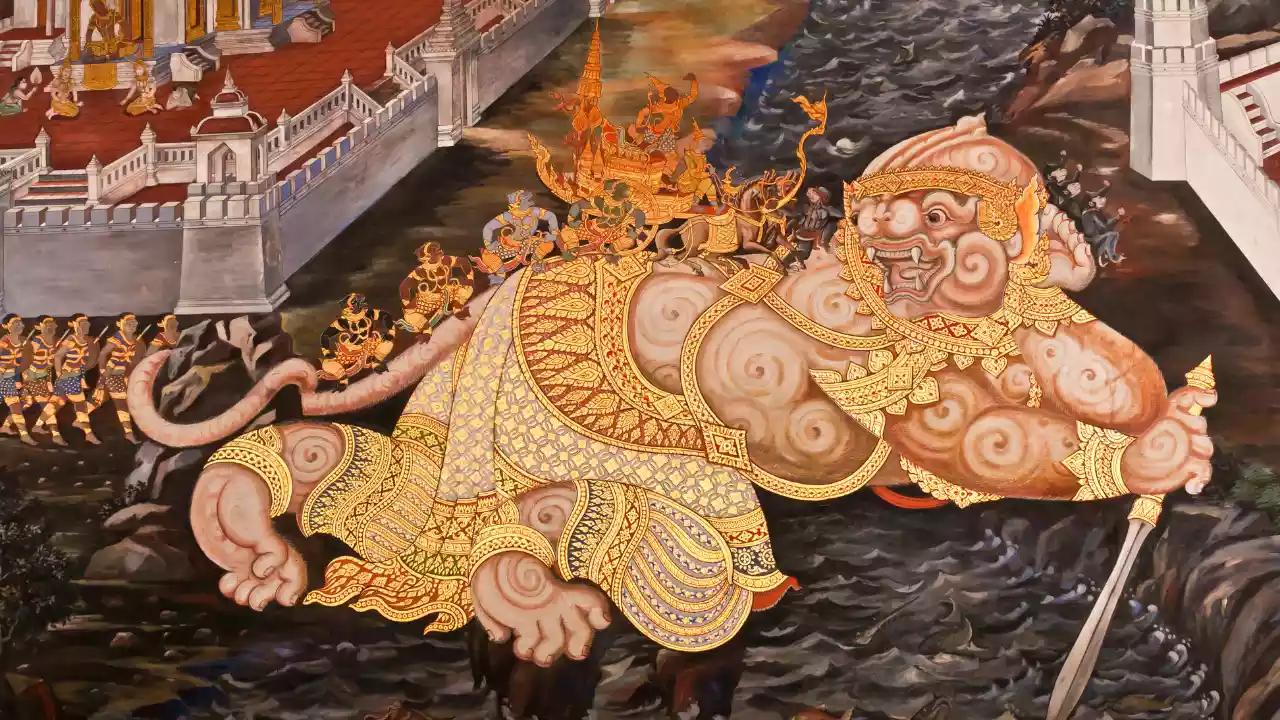
The Ramayana is not merely a scripture — it is a living geography. Every place Lord Ram set foot carries the memory of his presence, the resonance of his devotion to dharma, and the power to transform the pilgrim who arrives with sincerity. The Ramayana Yatra Tour Package traces that sacred geography across 10 nights and 11 days, carrying you from the forest where the Puranas were first narrated at Naimisharanya, through the birthplace of Lord Ram in Ayodhya, along the exile trail of Chitrakoot, across the Ganga at Shringverpur, into the eternal city of Kashi, onward to the Mithila of Mata Sita at Janakpur and Sitamarhi, and finally to Gaya for the sacred rites of the ancestors. This is a pilgrimage journey that is also practically comfortable — with accommodation, intercity transportation, experienced pandits at each site, and organized puja at key temples included throughout.
At ₹50,000 per person, the Ramayana Yatra is one of the most complete spiritual travel experiences available for devotees of Lord Ram. Whether you are fulfilling a lifelong vow, accompanying elderly parents on a journey of a lifetime, or simply seeking the kind of peace that only sacred geography can offer, this package is structured to carry you through the entire arc of Ram’s story — from his birth in Ayodhya, through the forests of exile, to the Mithila where his divine marriage to Mata Sita took place, and finally to Gaya, where pilgrims discharge their most sacred duty to their forefathers.
The Valmiki Ramayana unfolds across the plains, rivers, and forests of North India and the ancient kingdom of Mithila. This Yatra follows that heartland of the epic. It begins at Naimisharanya, the primeval forest where the sages gathered and the Puranas were recited. It moves to Ayodhya, the capital of Kosala and the birthplace of Lord Ram; to Shringverpur, where the boatman Kevat ferried Ram, Sita, and Lakshmana across the Ganga at the start of their exile; and to Chitrakoot, where the family spent the longest and most tender years of their vanvas. From the sage-lands of Buxar — where the young Ram first raised his bow against the demoness Tataka under Rishi Vishwamitra — the journey crosses into Mithila, the kingdom of King Janaka and the homeland of Mata Sita, at Janakpur and Sitamarhi. It concludes at Gaya, the foremost tirtha for the liberation of ancestors, where Lord Ram himself is remembered to have offered pind daan for his father Dasharatha. Visiting these places in sequence allows the pilgrim to experience the story not as history but as living darshan.
Upon arrival in Lucknow, proceed to the holy Naimisharanya Tirth. Explore the sacred forest where the Puranas were written, visiting the Naimisharanya Misrikh Temple, the sacred water body of Chakrateerath, Suta Gaddi, Vyasa Gaddi, and Dadichi Kund. Overnight stay in Lucknow.
Travel to the divine city of Ayodhya. Begin the pilgrimage with a holy bath in the sacred Sarayu River. Visit the Ram Janmabhoomi Temple, Hanuman Garhi, and Dasharatha Mahal. Explore Valmiki Ramayana Bhavan, Kanaka Bhavan, and the historic village of Nandigram, where Bharat lived during Lord Rama’s exile. Overnight stay in Ayodhya.
Depart for Prayagraj, stopping at Shringverpur, the site where Lord Rama crossed the Ganges with Kevat. Upon reaching Prayagraj, experience the spiritual energy of the Triveni Sangam with a holy dip at the confluence of the three sacred rivers. Visit the Veni Madhav Temple, the reclining Bade Hanuman Temple, and the immortal Akshayvat tree. Overnight stay in Prayagraj.
Journey to Chitrakoot, the site of Lord Rama’s long forest exile. Discover the mystical Gupt Godavari caves, the serene Sati Anusuya Ashram, and Sphatik Shila, which bears the footprints of Lord Rama and Mother Sita. Conclude the visit at Hanuman Dhara, where a mountain stream cools the statue of Lord Hanuman. Overnight stay in Chitrakoot.
Begin the day by performing the sacred 6km Parikrama of Kamadgiri Parvat. Visit Ram Ghat on the banks of the Mandakini River, the Bharat Milap Temple, and the holy Bharat Koop. Later, drive to the eternal city of Varanasi for check-in and an overnight stay.
Experience the spiritual heart of Kashi by visiting the Kashi Vishwanath Jyotirlinga, Annapurna Temple, and Kaal Bhairav Temple. Continue to the Bindu Madhav Temple, Sankat Mochan Hanuman Temple, Tulsi Manas Temple, and the local ISKCON Temple. In the evening, witness the grand Ganga Aarti and enjoy a meditative boat ride at Dashashwamedh Ghat. Overnight stay in Varanasi.
Travel toward Patna with a significant stop at Buxar. Visit Siddhashram and the Tadaka Temple, marking the spot where Lord Rama defeated the demoness Tataka under the guidance of Rishi Vishwamitra. Continue to Patna for an overnight stay.
After Darshan at the ISKCON Temple in Patna, cross the border into Nepal to reach Janakpur, the ancient capital of Mithila. Visit the breathtaking Janaki Mandir, the birthplace of Mother Sita, and the Ram-Sita Vivah Mandap, where their divine wedding took place. Overnight stay in Janakpur.
Visit ISKCON Janakpur before traveling back through Sitamarhi. Explore the Janaki Sitamarhi Temple and Panaura Dham, the sacred field where King Janaka found Mother Sita in a golden pot. Return to Patna for a farewell group gathering and overnight stay.
Journey to the land of salvation, Gaya. Explore Bodhgaya, the world-renowned site of Buddha’s Enlightenment. Visit the Vishnupada Temple to offer prayers at the footprint of Lord Vishnu and visit the sacred Sita Kund on the banks of the Falgu River. Overnight stay in Gaya.
Participate in the Pind Daan rituals for ancestors and visit ISKCON Gaya. Join the finale Harinaam Sankirtan before checking out and transferring to the airport or railway station for your onward journey.
Naimisharanya is among the most ancient tirthas in all of Hindu tradition — the forest where Suta Goswami recited the Puranas to an assembly of great rishis. It is here, at the Chakra Tirtha, that the wheel of Lord Vishnu is said to have marked the holiest ground on earth for the performance of yajna and the hearing of sacred lore. Beginning the Ramayana Yatra at Naimisharanya is fitting: before walking through the story of Ram, the pilgrim first stands at the very place where such stories were entrusted to the world.
Ayodhya is listed among the seven Moksha-dayini (liberation-bestowing) cities of Hinduism and is the birthplace of Lord Ram. A holy bath in the Sarayu, darshan at the Ram Janmabhoomi temple, and prayers at Hanuman Garhi and Kanaka Bhavan are believed to wash away accumulated sins and generate enormous punya. The city is saturated with Ram’s presence — every street, every ghat, every temple breathes his name. At nearby Nandigram, Bharat ruled as regent with Ram’s sandals upon the throne, a lasting monument to devotion and duty.
At Shringverpur, on the bank of the Ganga, the boatman Kevat ferried Lord Ram, Mata Sita, and Lakshmana across the river as their exile began — one of the most beloved episodes of the Ramayana, remembered for the boatman’s pure, uncalculating love. A short distance on lies Prayagraj, whose Triveni Sangam — the confluence of the Ganga, Yamuna, and the unseen Saraswati — is described in the Puranas as among the most sacred pilgrimage points in the universe. A holy dip at the Sangam, followed by darshan at the Veni Madhav temple, the reclining Bade Hanuman, and the immortal Akshayvat, connects you to that original crossing. Read our complete guide to Prayagraj for everything you need to know before visiting.
Chitrakoot is where Lord Ram, Mata Sita, and Lakshmana spent the longest and most tender years of their exile, and where the great Bharat Milap took place — Bharat’s journey to beg his brother to return. The Mandakini river that flows through Chitrakoot is considered equal to the Ganga in purifying potency at this location, and the hill of Kamadgiri, circumambulated clockwise on a six-kilometre parikrama, is revered as the very form of Lord Ram. Sphatik Shila bears the footprints of Ram and Sita, and Hanuman Dhara cools the image of Lord Hanuman with a perennial mountain stream.
Varanasi — Kashi — is one of the oldest continuously inhabited cities on earth and the personal abode of Lord Shiva. Its Ramayana connection runs deep: the Tulsi Manas temple stands where Sant Tulsidas composed the Ramcharitmanas, and the Sankat Mochan temple he founded is dedicated to Hanuman, Ram’s greatest devotee. Darshan of the Kashi Vishwanath Jyotirlinga, the evening Ganga Aarti at Dashashwamedh Ghat, and a boat ride on the Ganga make Kashi one of the most spiritually charged stops on the yatra.
Buxar — the ancient Siddhashram — is where the boy-princes Ram and Lakshmana, taken by Rishi Vishwamitra to guard his yajna, faced their first trial. Here Lord Ram vanquished the demoness Tataka, freeing the sages’ penance from her terror and stepping for the first time into his role as the protector of dharma. Darshan at Siddhashram and the Tadaka temple marks the beginning of Ram’s public mission.
Mithila is the land of Mata Sita. At Janakpur — the ancient capital of King Janaka, now in Nepal — the magnificent Janaki Mandir marks the home of Sita, and the Ram-Sita Vivah Mandap enshrines the site of the divine wedding that unites the Ramayana’s two great souls. Across the border at Sitamarhi lies Panaura (Punaura) Dham, the sacred field where King Janaka, ploughing the earth, discovered the infant Sita. To walk through Mithila is to enter the Ramayana from Sita’s side of the story — the daughter of the earth whose grace anchors the entire epic.
Gaya is the foremost tirtha in all of Hindu tradition for the liberation of ancestors. By long tradition, Lord Ram, Mata Sita, and Lakshmana came to Gaya to perform the pind daan rites for King Dasharatha, and the Sita Kund on the bank of the Falgu river preserves the memory of that offering. At the Vishnupada temple, pilgrims bow before the footprint of Lord Vishnu impressed in stone. Concluding the Ramayana Yatra with pind daan at Gaya allows the pilgrim to discharge, in Ram’s own footsteps, the most sacred debt a person owes — the debt to those who came before.
The Ramayana Yatra is suited to devotees of all ages. Families with elderly parents will find the organized format — with transportation, pandits, and accommodation pre-arranged — a relief compared to independent travel across so many cities and the Nepal border. Groups of friends making a shared spiritual journey, couples undertaking the yatra as a form of samskar (purification), and solo travelers who want the safety and depth of an organized pilgrimage all benefit equally.
There is no minimum age for this yatra. Children above five years are welcome and are often the most enthusiastic participants — the stories of the Ramayana come alive in a way no textbook can replicate when a child is standing at the very spot where the events occurred.
To browse all available pilgrimage packages and related services, visit our complete shop here.
Yes — and it is in fact one of the most common contexts for this yatra. The itinerary is designed with mobility in mind. All major temples have ramps or paved access, vehicle transfers are door-to-door, and the pandit’s pace of narration is calibrated for a multi-generational group. For elderly pilgrims who cannot do the full Kamadgiri parikrama, an abbreviated circumambulation at a nearby point is a valid alternative. Please inform us at the time of booking so we can arrange appropriate support.
The ₹50,000 price listed is per person for a minimum group of four. For couples or smaller groups, a revised quotation applies. Please contact us before booking to confirm current pricing for your group size. We do not take solo bookings for this yatra — a minimum of two persons is required.
Indian nationals do not require a passport or visa to visit Nepal, but must carry a valid government photo ID — a passport or voter ID card — for the border crossing on Day 8, along with a few photocopies. Foreign and NRI pilgrims should carry their passport and confirm Nepal visa requirements in advance. Our team handles the group border formalities so the crossing is smooth.
Accommodation is in budget-comfortable hotels, guesthouses, or well-maintained dharamshalas depending on availability at each destination. Rooms are typically twin-sharing or double rooms with attached bathrooms. Hot water is available at all properties. If you require an upgrade to a higher category property at any destination, this can be arranged for an additional charge — please specify at the time of booking.
The standard 10N/11D route follows the sequence above, culminating in the pind daan at Gaya. Because the journey’s spiritual logic is sequential — from Naimisharanya through Ayodhya, Chitrakoot, and Mithila to Gaya — each stop builds on the previous one, and skipping a destination is generally not recommended. If you wish to extend your time at Gaya for a more elaborate pind daan, or add days in Ayodhya or Kashi, we are happy to arrange it. Contact us for a consultation before booking.
Our pandits are well-versed in Hindi and Sanskrit, with varying levels of English. For NRI groups or international pilgrims, we can arrange an English-speaking travel coordinator who accompanies the group alongside the pandit, ensuring that the spiritual narration and ritual explanations reach everyone fully. Please request this at the time of booking.