
Ancestral rites · India

Shradh Puja in India

Shradh Puja in India can be arranged at Gaya, Prayagraj, Varanasi, Haridwar or Garh Ganga.

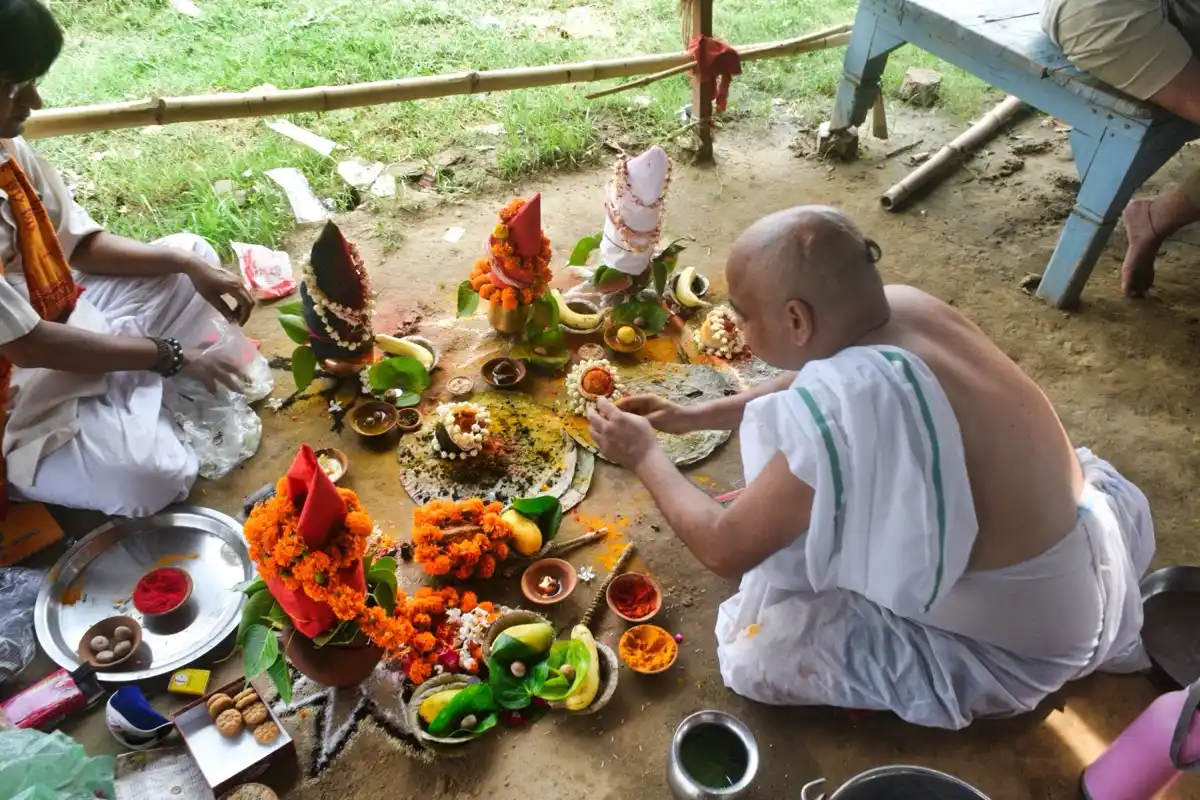
A family performing Shradh with a pandit at a sacred ghat
Five sacred placesThe rite the family owes each year Verified arrangement
Booking pathsIn person, or performed on your behalf Choose the place
3 kindsAnnual, Pitru Paksha, Tripindi
5 placesAcross India
OnlineFor families unable to travel

A clear place to begin

Choose the right Shradh Puja for your family

When an elder or family priest has already advised a particular observance, let that guidance come first. A general concern should not be used to assume that a separate remedial rite is required. Standard Shradh, Tarpan, Pind Daan, Tripindi Shradh and Narayan Bali are related to the wider tradition of ancestral rites, but they are not interchangeable services.

Annual or Tithi Shradh

An annual Shradh is observed on the lunar tithi remembered by the family. If the English date of passing is known but the tithi is not, share the available details and ask the pandit for guidance. The exact vidhi follows the family tradition and the package selected.

How to find the tithi

Pitru Paksha Shradh

Pitru Paksha 2026 is observed from 26 September to 10 October. Families who know the corresponding tithi may choose that day. When the exact tithi is not known, Sarva Pitru Amavasya may be considered with proper guidance. Booking the chosen tirtha early allows the family to prepare calmly.

Pitru Paksha 2026 dates

Tripindi Shradh

Tripindi Shradh is a separate ceremony. It is not included in a standard Shradh Puja package and should be chosen only when the need has been clearly understood through family or pandit guidance. A dedicated Tripindi package should be reviewed instead of assuming it is part of a general booking.

When Tripindi Shradh is needed
Family ancestral ceremony at the river
Shradh, tarpan and pind daan are related, not interchangeable

Telling the rites apart

How Shradh relates to Tarpan and Pind Daan

Tarpan, Pind Daan and Shradh belong to the same field of ancestral rites, but one name should not be used to promise every ceremony. Tarpan is the prescribed offering of water and other named materials. Pind Daan is the offering of pindas. A Shradh Puja package may include one or both when the product inclusions say so.

This distinction matters when comparing prices. Read the included rite, sacred location and separate arrangements together. The selected product page is the final place to confirm the current amount and complete scope before payment.

Choose the sacred place

Shradh Puja packages at sacred places in India

The five principal choices on this page are Gaya, Prayagraj, Varanasi, Haridwar and Garh Ganga. Begin with the place followed in your family. If no tirtha has been prescribed, compare the location, included ceremony and practical travel calmly rather than choosing by price alone.

Shradh in Gaya

The Gaya package is for families choosing the Vishnupad or Phalgu-area tradition. It includes an authorised Gayawal priest, the listed Shradh ceremony, complete samagri and local guidance. The current package treats dedicated Pind Daan, Tarpan and Brahmin Bhoj as separate add-ons, so these should be added only when they are intended.

For families unable to travel

Online Shradh Puja

An online Shradh does not move the physical ceremony away from India. The pandit performs the selected rite at the sacred place named in the package. Your family’s names and gotra, when known, are included in the Sankalp, and relatives may join via live video conferencing at the confirmed time.

Online Shradh in Gaya

The Gaya option is performed in the Phalgu and Vishnupad area by an authorised Gayawal priest. The package lists complete samagri, Tarpan, three-generation ancestral invocation, Sankalp guidance and participation via live video conferencing. Brahmin Bhoj and separate remedial rites are not part of the standard option.

Open this package

Online Shradh in Haridwar

The Haridwar option is performed at Har Ki Pauri with the listed samagri, Tarpan and Pind offering. Family and ancestor names are included in the Sankalp, and relatives join through the confirmed live video conferencing arrangement.

Open this package

Online Shradh at Garh Ganga

The Garh Ganga option is performed at Brij Ghat, Garh Mukteshwar. It includes the local pandit, listed samagri, Tarpan, the named Pind offering and family Sankalp. Brahmin Bhoj, Tripindi Shradh and other separate ceremonies should not be assumed.

Open this package
How the online ceremony is arranged

Current online Shradh Puja choices are available in Gaya, Haridwar and Garh Ganga. Each product clearly names the tirtha, the included rite and any separate arrangements. This is especially important for NRI families comparing services from the United States, Canada, the United Kingdom, Singapore, Malaysia, Australia, the UAE and other countries.

International payment: PayPal checkout is available for overseas families.

Before the day

What to keep ready for the Shradh ceremony

Do not worry if every detail is not known. Share only what the family remembers. The pandit will explain how an unknown gotra is handled and help the family understand a suitable day.

  • The Karta’s full name

  • The gotra, if known

  • The names and relationships of the ancestors being remembered

  • The lunar tithi, when known, or the English date of passing

  • The family’s chosen sacred place

  • Whether the family will travel or join via live video conferencing

Why the rite is kept

The meaning carried in Shradh

The word points toward remembrance offered with shraddha—sincere faith and reverence. The Skanda Purana’s Nagara Khanda explains that sincere faith gives Shraddha its name. A family may therefore approach the rite quietly and with understanding, without fear or hurried promises.

Shradh is also commonly written as Shraddh or Shraadh. The spelling may change, but the family’s intention and the clearly described ceremony remain central. Families wishing to study the tradition in greater depth may read the complete informational guide to Shradh before booking.

Evening aarti on the Ganga
The rite is repeated each year, not performed once

Questions families ask

Shradh FAQs

Read the answers connected with this page, or browse the complete Shradh FAQ collection.

See all Shradh FAQs
What is Shradh Puja?

Shradh is an ancestral rite offered with remembrance and reverence. The exact vidhi follows family tradition, the occasion and the selected package.

Can we book Online Shradh Puja from outside India?

Yes. The selected ceremony is performed physically at the sacred place named in the package. Your family details are included in the Sankalp, and relatives may join from abroad via live video conferencing.

Which sacred place should our family choose?

Begin with the tirtha remembered in your family tradition or advised by your family priest. If no place has been prescribed, compare the five locations and choose the one with which your family has a genuine connection.

Are Narayan Bali and Tripindi Shradh included?

No. They are separate rites and should not be assumed from a general Shradh booking. Review a dedicated package only after the need has been properly understood.

Can women perform the rituals for Pitru Paksha?

Traditionally, the primary duty falls on male descendants. However, customs vary. In some communities or situations (like the absence of a male heir), women may perform or assist in the rituals of Pitru Paksha. It's best to follow family traditions or consult a knowledgeable priest.

For families in Trinidad and Tobago, the Pitri Paksh 2026 guide keeps family eligibility, local observance and India-based seva guidance together without replacing an instruction already given by the family purohit.

Is it considered inauspicious to start new ventures or make purchases during Pitru Paksha?

Yes, generally, Pitru Paksha is considered an inauspicious period for starting new businesses, buying property or vehicles, housewarming ceremonies (Griha Pravesh), weddings, or other celebratory events. The focus during this time is on remembrance, mourning, and spiritual duties towards ancestors, not worldly celebrations or acquisitions.

How does one perform Pitru Paksha puja at home?

A simplified Pitru Paksha puja at home involves:

  • Cleaning the house and maintaining purity.
  • Preparing Saatvik food.
  • Facing south (the direction associated with ancestors and Yama).
  • Performing Tarpan (offering water and sesame seeds).
  • Offering Pind Daan (rice balls) or simply offering the prepared food on a leaf plate.
  • Lighting a diya (lamp).
  • Praying for the peace of ancestors' souls.
  • Offering food to a crow, cow, and dog before the family eats.
  • Optionally, inviting and feeding a Brahmin.

If your family is in Trinidad and Tobago, follow the home practice taught by your local purohit or mandir. The Pitri Paksh 2026 country guide gives the local dates and separately explains how a rite may be arranged at a sacred tirtha in India.

Is it permissible to cut hair or nails during Pitru Paksha?

Traditionally, cutting hair, shaving, and cutting nails are avoided during the Pitru Paksha period. This is observed as a sign of mourning, respect, and focus on spiritual duties rather than personal grooming

Can women perform rituals for Pitra Dosh?

Traditionally, the primary responsibility lies with male descendants. However, in the absence of males or modern interpretations, women (daughters, wives) can perform or participate in Pitra Dosh rituals, especially Tarpan or charity. The emphasis is on sincere devotion.

Speak before you book

Book Shradh Puja

Tell us the ancestor’s name, the gotra and the tithi, and whether the family will attend or join remotely. We confirm the pandit, the place and the full cost before anything is paid.

Your Booking

🙏 Add ₹10,000 more for priority scheduling

No rituals selected yet.

Browse Pooja Packages →
Need help booking? Chat with us on WhatsApp