No rituals selected yet.
Browse Pooja Packages →Key observances
- Bhadrapad Poornima in the SWAHA calendar
- Pitra Paksha begins
- Ashwin Amavasya and conclusion
Trinidad and Tobago: Pitra Paksha starts · 27 September
Ashwin Amavasya · 10 October 2026For Hindu families in Trinidad and Tobago
The SWAHA Calendar 2026 marks Pitra Paksha from 27 September through Ashwin Amavasya on 10 October in Trinidad and Tobago. My dear family, use this guide to understand the local dates, settle whether you need Shradh, Tarpan or Pind Daan, and arrange the chosen rite at a sacred tirtha in India while joining via live video conferencing.
Ceremonies performed physically in IndiaTrinidad and Tobago joining time confirmed beforehand
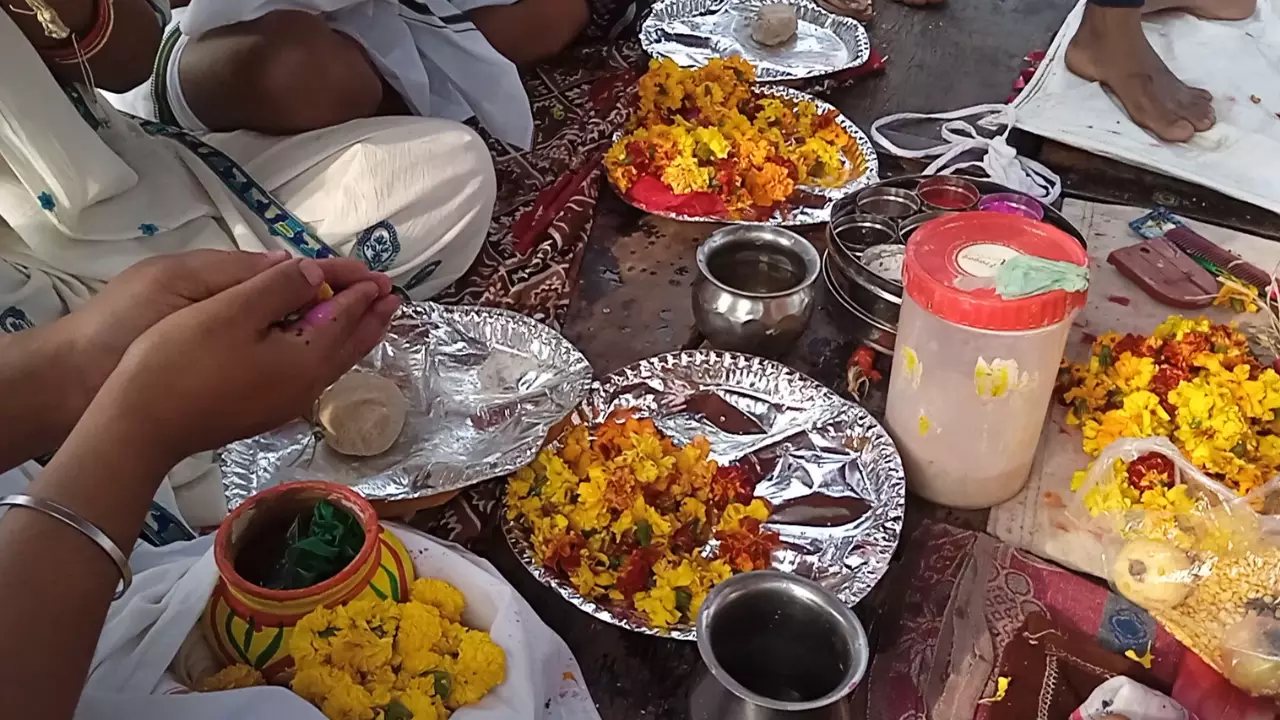
Four sacred tirthasGaya, Prayagraj, Varanasi and Haridwar
Family SankalpNames and gotra prepared respectfully
Live participationVia live video conferencing
Trinidad and Tobago time confirmedShared clearly before the ceremony
Trinidad and Tobago date reference
The local SWAHA calendar shows Bhadrapad Poornima on 26 September, Pitra Paksha beginning on 27 September and Ashwin Amavasya on 10 October 2026. Pitri Paksh, Pitra Paksha and Pitru Paksha are common spellings of the same ancestral period.
Let the local tithi guide the day
A tithi is understood for the place where the family observes it. Different panchang traditions may place an individual Shraddha tithi on a neighbouring civil date. If your family purohit or mandir has already given a day, please follow that guidance before selecting one from a general calendar.
Calendar references: SWAHA Calendar 2026 for Trinidad and Tobago and the location-specific Shraddha calendar for Tobago. The SWAHA dates are used as the primary local community reference here.
First understand where the rite will be performed
Observance in Trinidad and Tobago
For remembrance at home, at a temple, or according to your community tradition, please follow the guidance of a trusted local purohit. A simple water offering or home practice should be undertaken according to the family’s sampradaya and capacity. Prayag Pandits does not arrange ceremonies within Trinidad and Tobago.
Read the Pitru Tarpan at-home guideCeremony in India
When the family wishes to arrange Pind Daan, Shradh, Tarpan or Asthi Visarjan at a sacred place in India, the appointed pandit and samagri remain physically present at the chosen tirtha. Your family joins from Trinidad and Tobago via live video conferencing.
See India seva optionsA traditional remembrance
My dear family, Yajurveda 19.36 remembers parents, grandparents and great-grandparents through an offering made with reverence. The Skanda Purana explains that shraddha—sincere faith—is the inner sentiment of Shraddha. Therefore, first understand the rite, prepare only what is needed, and join with a settled mind.
Traditional references: Yajurveda 19.36; Skanda Purana, Book VI (Nagara Khanda), Chapter 218.Choose the rite before the package
A more elaborate rite is not automatically the more suitable one. Begin with the purpose for which your family has come.
For Shradh, Tarpan and family remembrance during the ancestral fortnight.
View Shradh and TarpanFor a family choosing Gaya, Prayagraj, Varanasi or Haridwar for Pind Daan.
Compare Pind Daan packagesFor Asthi Visarjan at a sacred river location in India. Ashes are not required for ordinary Pind Daan.
View Asthi VisarjanTripindi Shradh, Narayan Bali or Pitru Dosha Puja should be considered only after the need has been properly understood.
See the NRI seva guideOnline seva choices
If your family tradition has named a tirtha, let that remembrance guide the first choice. Otherwise, compare the place, included rites and current package scope before booking.
All four ceremonies take place in India. The online arrangement allows your family to participate from Trinidad and Tobago; it does not turn Pind Daan into a digital act.
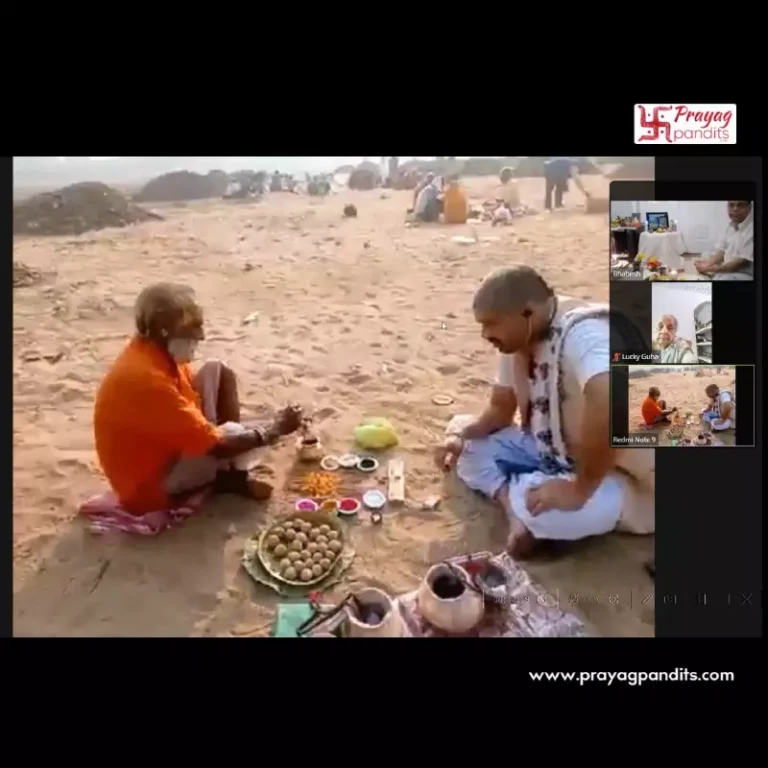
Vishnupad or Phalgu area
For a family choosing the Gaya Kshetra tradition at the Vishnupad or Phalgu area.
Pandit, samagri, family Sankalp and live participation
Please note: Tarpan, Brahmin Bhoj and Gau Daan are separate arrangements unless they are expressly named in the selected package.

Triveni Sangam
For a family seeking the ceremony at the confluence of the Ganga, Yamuna and Saraswati.
Pandit, samagri, family Sankalp and live participation
Please note: Travel, boat arrangements and other separate rites are not included in this online package.
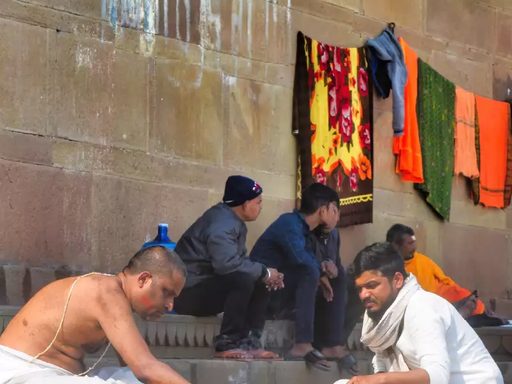
Ganga Ghat, Kashi
For a family wishing to offer Pind Daan in Kashi beside the sacred Ganga.
Pandit, samagri, family Sankalp and live participation
Please note: Tarpan, Asthi Visarjan, Narayan Bali and Tripindi Shradh are separate arrangements. Travel and optional donations are not included.

Har Ki Pauri
For a family wishing to offer Pind Daan where the sacred Ganga enters the plains.
Pandit, samagri, family Sankalp and live participation
Please note: Tarpan, Asthi Visarjan and other separate ceremonies are not included. Travel and optional donations are separate.
How your family joins from Trinidad and Tobago
Read the purpose and inclusions before proceeding. If an elder has given an instruction, share it first.
Provide the Karta’s name, ancestor names and relationships, and gotra if known through private coordination.
India is nine hours and thirty minutes ahead of Trinidad and Tobago. The suitable India ceremony time is settled first and the corresponding local time is then shared.
Sit in a quiet place with a stable connection and participate via live video conferencing according to the pandit’s guidance.
If the gotra or exact tithi is not known, share only what the family knows. The pandit will explain how the Sankalp may be prepared before the ceremony is confirmed.
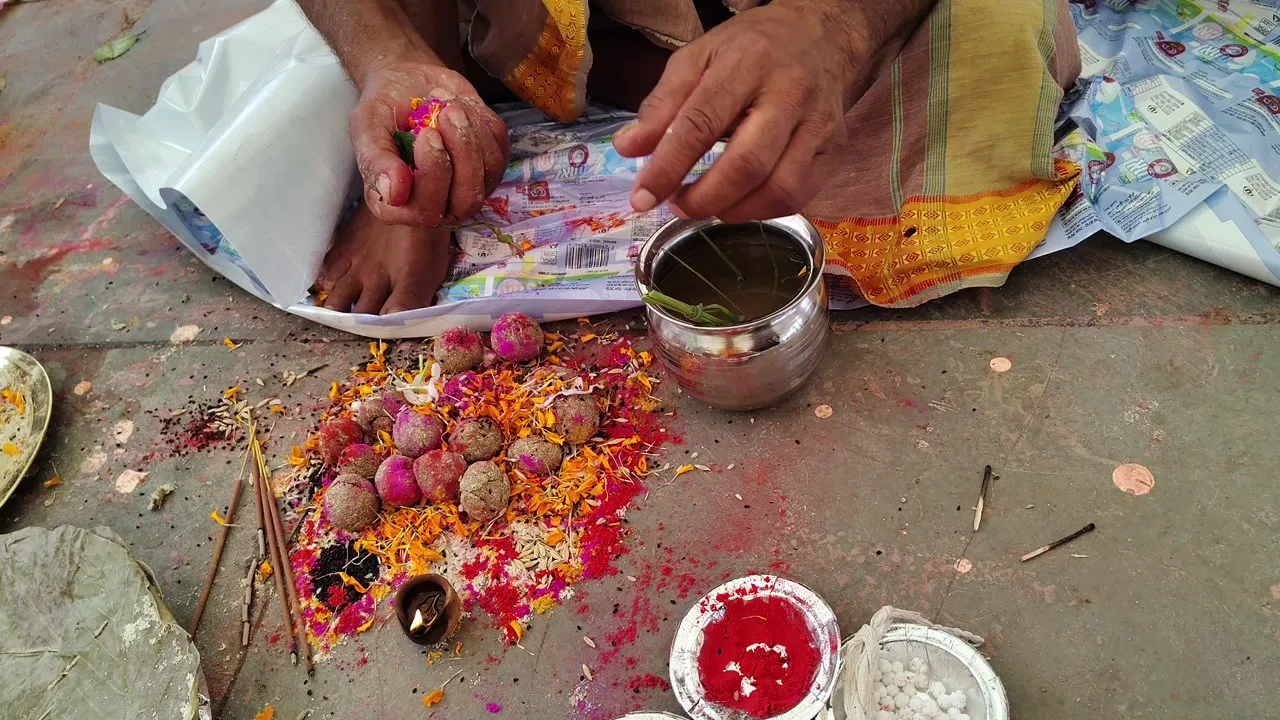
Supported from India
Read the selected product page once more before booking so the location, included rites and participation mode remain clear to the whole family.
Please read before booking
The SWAHA Calendar 2026 for Trinidad and Tobago marks Bhadrapad Poornima on 26 September, Pitra Paksha beginning on 27 September and Ashwin Amavasya on 10 October. Trinidad families may also speak of this period as Pitri Paksh, while many online searches use Pitru Paksha.
A tithi is a lunar day, and its beginning and ending may fall at different clock times in Trinidad and India. A location-specific panchang can therefore place an individual Shraddha tithi on a neighbouring civil date. When the death tithi is known, many families observe the corresponding tithi according to their tradition; when it is not known, the concluding Amavasya may be considered with guidance.
If an elder or family purohit has already named the day, let that instruction guide the family. The Shradh date guide offers a broader calendar reference.
A family in Trinidad and Tobago may keep these days through prayer, remembrance, a clean and quiet space, sattvic conduct, charity and the practice already taught within the household. Simplicity does not lessen sincerity; proceed with steadiness rather than anxiety.
Tarpan has details that vary by sampradaya, including the person performing it, the Sankalp, direction, mantra and materials. If your family has a taught method, follow it. Otherwise, ask a trusted local purohit to explain the practice suitable for your home. Our Pitru Tarpan guide may help the family understand its purpose.
Food customs, temple attendance, ordinary prayer, hair or nail cutting, travel, celebrations and new purchases are handled differently among families. Respect the discipline followed in your household without turning another family’s custom into a cause for fear.
Tarpan is principally an offering of water made with remembrance. Shradh or Shraddha is a wider ancestral observance undertaken with Sankalp and the practices followed by the family. Pind Daan centres on the offering of pindas and is often performed at a sacred tirtha under a pandit’s guidance.
Asthi Visarjan is the respectful immersion of cremation ashes. Ashes are not required for an ordinary Pind Daan arrangement.
Narayan Bali, Tripindi Shradh and Pitru Dosha Puja are distinct rites with their own purpose. They may be considered when the family’s circumstances have been understood and the particular rite has been advised.
Practices concerning who performs Shradh or Tarpan differ among families and sampradayas. Many traditions permit a daughter, wife or another appropriate family member to participate when no son is available. The Karta should be settled after the family’s circumstances are understood.
Before the Sankalp is prepared, keep ready the proposed Karta’s name, the ancestors’ names and relationships as known, gotra and death tithi if known, and any instruction already given by an elder or family priest. Also explain whether the family seeks annual remembrance, Pind Daan, Asthi Visarjan or another specifically advised rite.
If gotra, a full name or the exact tithi is not known, share only what the family genuinely remembers. A relationship or remembered name may still help the pandit prepare the Sankalp. Relatives joining from separate homes should also agree who will be named as Karta and who will join in support. The family eligibility guide explains these circumstances in greater detail.
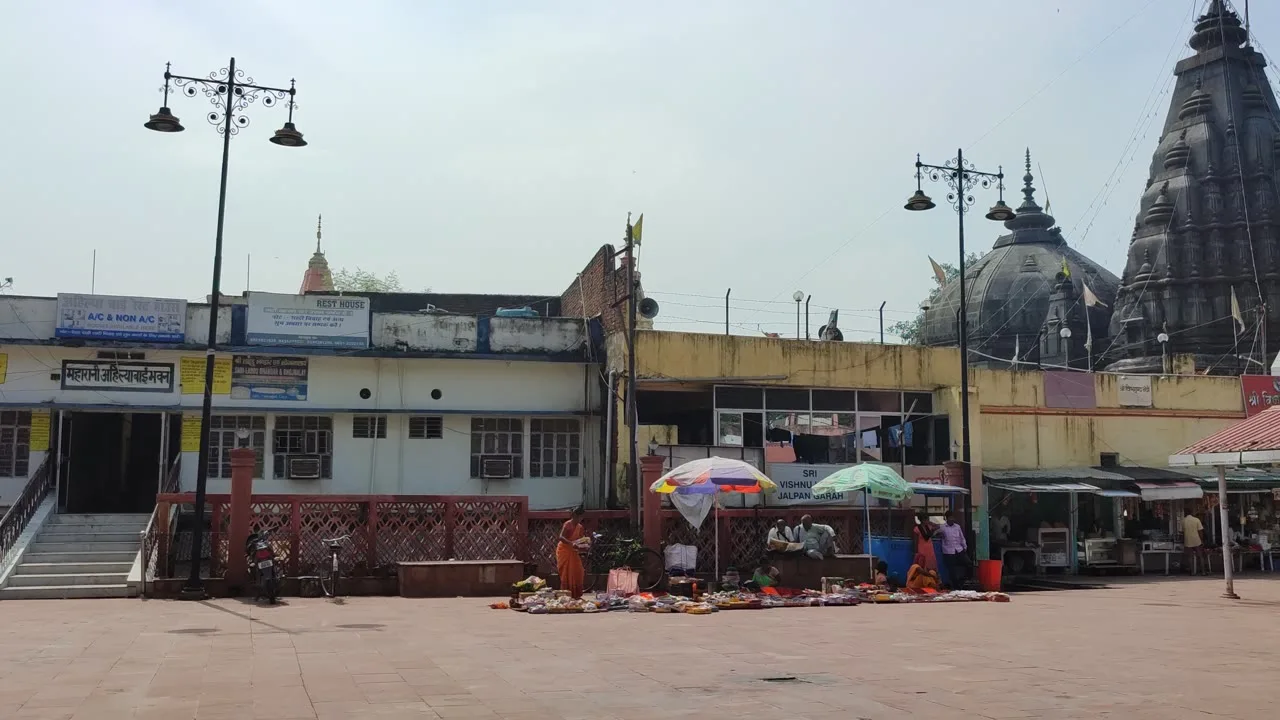
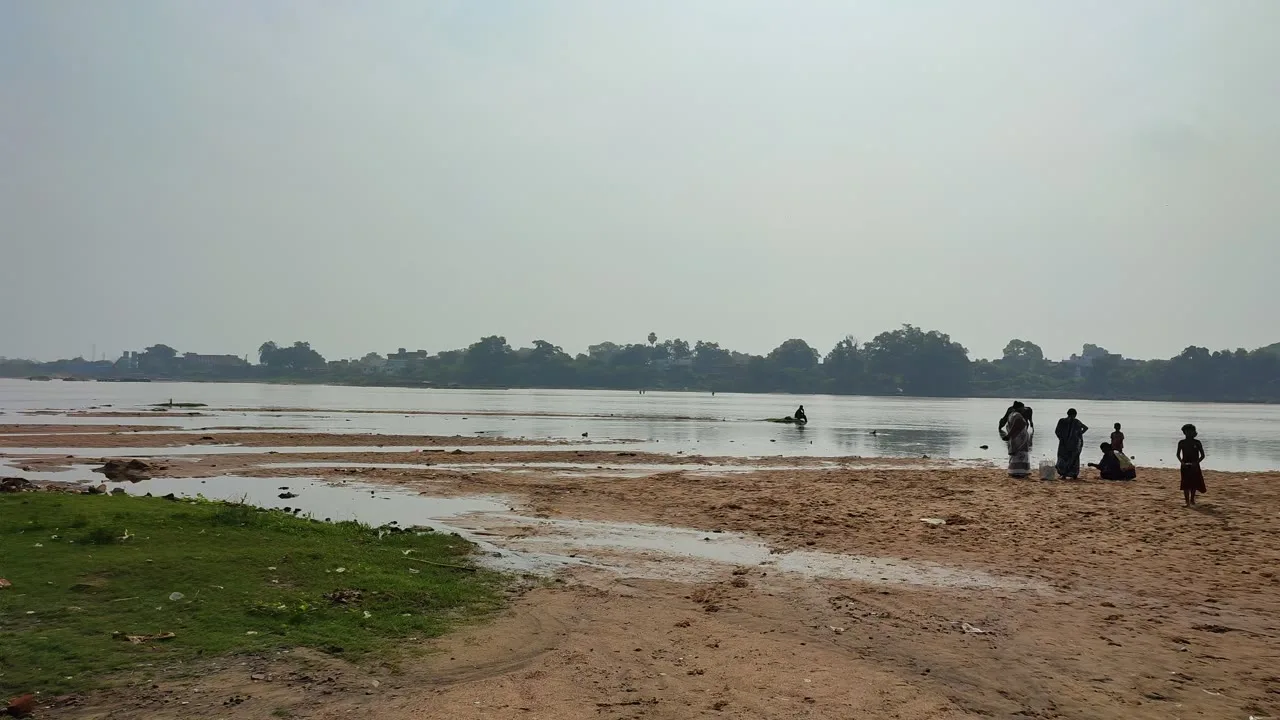
If a parent, elder or family priest has already named a tirtha, begin there. Gaya is remembered through Vishnupad and the Phalgu, Prayagraj through the Triveni Sangam, Kashi through the sacred Ganga, and Haridwar through Gangadvara and Har Ki Pauri.
When there is no fixed family preference, consider each place calmly and read what its seva includes. The four Pind Daan packages show the available arrangements in Gaya, Prayagraj, Varanasi and Haridwar. Additional rites should be understood only from the inclusions stated for the selected seva.
After the family chooses the rite and tirtha, the coordinator confirms the available date and the corresponding Trinidad and Tobago joining time. India is nine hours and thirty minutes ahead of Trinidad and Tobago. Relatives in another country may also join after their local time has been checked.
On the ceremony day, sit in a quiet place with a charged device and a stable connection. Join a little before the confirmed time, listen to the pandit and respond as guided during the Sankalp and ceremony. The appointed pandit, samagri and physical rite remain at the selected tirtha in India.
Before payment, read the complete inclusions of the chosen seva once more. PayPal checkout is available, and international cards are accepted.
Guidance for families in Trinidad and Tobago
These answers cover the questions Trinidad and Tobago families most often need to settle about dates, home observance, participation, sacred places and joining from abroad.
The SWAHA Calendar 2026 for Trinidad and Tobago marks Pitra Paksha from 27 September through Ashwin Amavasya on 10 October. Its calendar shows Bhadrapad Poornima on 26 September. If your family follows a date given by its own purohit or mandir, let that instruction come first.
A tithi is understood for the place and time where it is being observed. Calendar traditions may also label the beginning day or an individual Shraddha tithi differently. For an observance at home, use the calendar and guidance followed by your Trinidad mandir or family purohit; for a ceremony in India, the pandit settles the suitable tithi at the chosen tirtha.
Pitra Paksha follows lunar tithis rather than one universal clock time. The SWAHA calendar notes that the observance ends during Ashwin Amavasya on 10 October, but a family should not choose a ceremony time from a general webpage alone. Let the local purohit guide a home observance, while the India-based pandit confirms the suitable tithi and joining time for a booked seva.
These spellings are commonly used for the ancestral fortnight. Trinidad publications often use Pitri Paksh or Pitra Paksha, while many India-based searches use Pitru Paksha. The family custom and pronunciation may differ, but the shared purpose is remembrance of the Pitrs with shraddha and respect.
When the death tithi is known, many families observe Shraddha on the corresponding tithi during Pitru Paksha or on the annual tithi followed by their tradition. When it is not known, Sarva Pitru Amavasya may be considered. Please have the date confirmed because family customs and the circumstances of the remembrance can differ.
A family may remember the Pitrs through prayer, a clean and quiet observance, sattvic conduct, charity and the home practice taught in its tradition. If Tarpan, a mantra or a food offering is to be made, follow a trusted local purohit or the established family method rather than combining instructions from many sources.
Tarpan has family- and sampradaya-specific details, including who performs it, the Sankalp, direction, mantra and materials. If your household already has a taught method, follow it. Otherwise, ask a trusted local purohit to explain the simple practice suitable for your family before beginning.
Customs concerning hair, nails, shaving, travel, celebrations and new purchases vary among households. Please do not turn a family discipline into fear. Follow the practice your elders or purohit have given, and avoid imposing one household’s rule on every family.
Ordinary worship, temple attendance, food customs and donations should follow the family’s own tradition. Many households choose simple sattvic food, remembrance and charity, but there is no single public checklist that safely replaces a family instruction. Offer within your capacity and without display or pressure.
Tarpan is principally an offering of water made with remembrance. Shradh is a wider ancestral observance undertaken with Sankalp and the practices followed by the family, while Pind Daan centres on the offering of pindas and is often arranged at a sacred tirtha. The correct choice depends on the family's purpose and tradition.
Some family traditions include pinda offerings within a home Shraddha under proper guidance. In the featured Prayag Pandits arrangements, the pandit performs the physical Pind Daan at Gaya, Prayagraj, Varanasi or Haridwar while the family joins from Trinidad and Tobago. For a home vidhi, please follow the method taught within your family tradition.
Practices differ among families and sampradayas, and many families do permit daughters or women to participate when they are the appropriate persons to uphold the remembrance. If your household has an established instruction, follow it; otherwise, understand the circumstances with a knowledgeable purohit before the Sankalp is prepared.
The absence of a son should not lead the family to abandon remembrance or make a hurried decision. A daughter, spouse or another appropriate family member may participate in many traditions. The person named in the Sankalp should be settled according to the family’s sampradaya and circumstances.
Share only what the family genuinely knows, including the relationship and any name or family detail available. The pandit can explain how an unknown detail may be handled in the Sankalp, and Sarva Pitru Amavasya may be considered when the exact death tithi is not known. Please do not guess a gotra or date merely to complete a form.
The pandit will first understand for whom the rite is intended, which relatives are living and what the family tradition follows. Each ancestral circumstance is different, so the Karta and Sankalp should be settled with proper guidance before the seva is chosen.
These observances follow a separate family sequence, and their names and customs differ among regional traditions. If your family is presently observing Dashgatra, a 13th-day or 16th-day ceremony, Barsi or a first-year rite, please follow the guidance already received from your family purohit.
These are separate rites with their own purpose. They may be considered after the family’s circumstances have been understood and the particular rite has been advised. Ordinary annual remembrance and Pind Daan should not be assumed to be the same as these ceremonies.
No. Pind Daan does not require the family to send ashes. When ashes are to be immersed, that is a separate Asthi Visarjan arrangement and should be chosen according to the family's circumstances.
Yes. Families may join from Port of Spain, Chaguanas, San Fernando, Couva, Arima, Tunapuna, Scarborough or elsewhere in Trinidad and Tobago with a stable connection at the confirmed time. The pandit and physical ceremony remain at the selected tirtha in India; this is not presented as a local ceremony in Trinidad and Tobago.
The featured online arrangements are available in Gaya, Prayagraj, Varanasi and Haridwar. If a family elder has named one tirtha, begin there; otherwise, compare each location and the complete package inclusions calmly before choosing.
Begin with any tirtha already named by an elder or family priest. Otherwise, consider the family’s regional tradition, the sacred place it wishes to remember, the rite included in the package and practical timing. There is no need to call one destination universally better than another.
India is nine hours and thirty minutes ahead of Trinidad and Tobago. The suitable ceremony time at the chosen tirtha is settled first, and its corresponding Trinidad and Tobago time is shared before the family joins via live video conferencing. Relatives in another country may also join after their local time has been checked.
Prepare the Karta’s name, the names and relationships of the ancestors being remembered, gotra if known, death tithi if known, any instruction from an elder or family priest, the preferred tirtha and suitable Trinidad and Tobago dates. If something is unknown, state that openly rather than guessing.
Yes. PayPal checkout is available and international cards are accepted. Please review the package and the amount displayed at checkout before submitting the payment.
Pitri Paksh · 27 September–10 October 2026
First settle the rite, the tirtha and the family instruction you wish to follow. Then compare the available arrangements and read the complete package scope before booking from Trinidad and Tobago.