Included
Hereditary Gayawal Panda
Verified Gayawal Panda from a registered Phalgu ghat — the priestly lineage authorised at Gaya for tarpan, shradh, and pind-daan rites across the Pitrupaksha calendar and the annual death-anniversary Tithi.
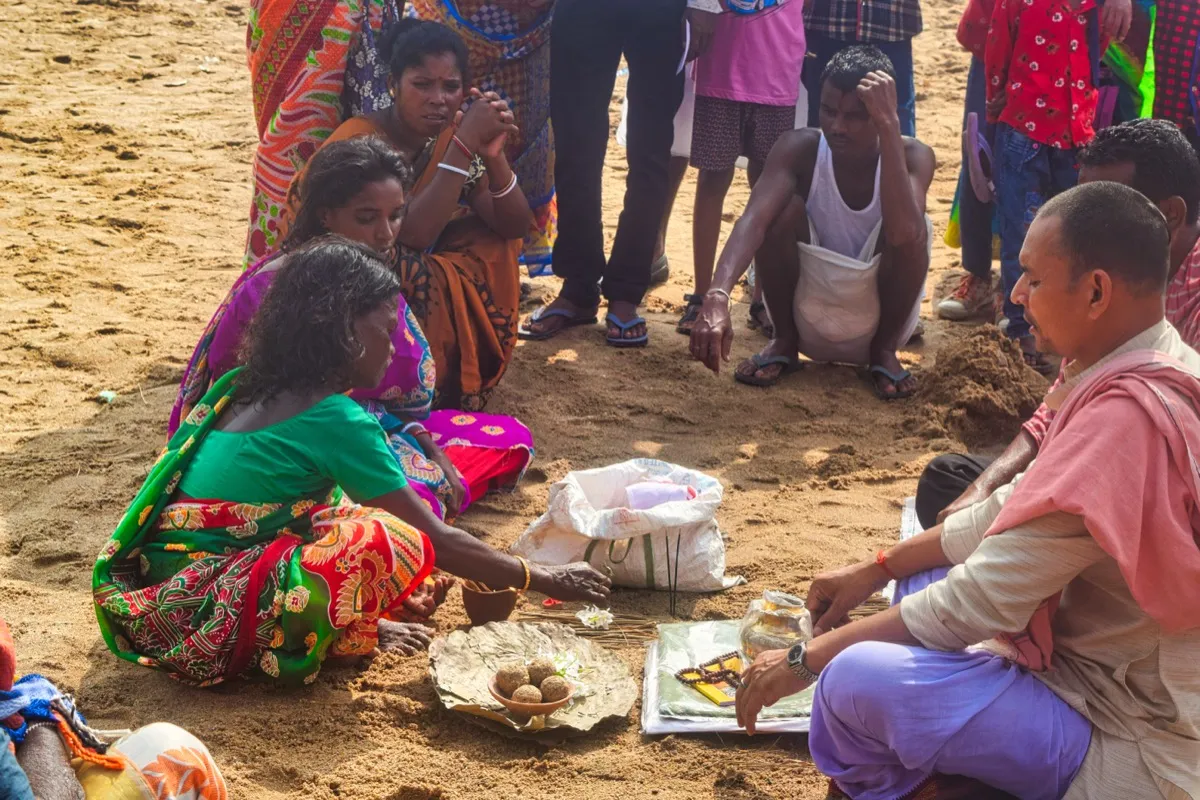
Tarpan at the Phalgu — the river the Vayu Purana names an incarnation of Vishnu. Three handfuls offered with darbha twigs for the deva, rishi, and pitri classes per the Baudhayana procedure. Daily, through Pitrupaksha (Sep 26 — Oct 10, 2026), and on the annual Tithi.

What's included
We've seen too many families face hidden boat fees, samagri costs, and "dakshina" pressure on the day. Here's exactly what's covered, and what isn't.
Included
Verified Gayawal Panda from a registered Phalgu ghat — the priestly lineage authorised at Gaya for tarpan, shradh, and pind-daan rites across the Pitrupaksha calendar and the annual death-anniversary Tithi.
Included
Darbha (kusha) twigs, til, jau (barley), gangajal, kalash, white cloth — prepared in advance, ready before the family arrives at the ghat. Tarpan requires the dried grass twig and the prescribed water vessel per Baudhayana.
Included
Optional upgrades surfaced in this catalogue: Pitrupaksha 2026 timing-specific variants (peak fortnight Sep 26 — Oct 10), online tarpan with live video proof for NRI families, and combinations with full Shradh or Pind Daan rites on request.
Included
One person on WhatsApp through your entire booking — fluent in Hindi, English, and major regional languages — before and after the ceremony.
Included
WhatsApp message from the Gayawal Panda the same evening, with details of all tarpan offerings made on your behalf.
Included*
Tarpan at the Phalgu river ghat — the Vayu Purana Gaya Mahatmya names the Phalgu an incarnation of Vishnu. Directional facing (East for deva-tarpan, South for pitri-tarpan) and the prescribed anjali count are observed per Baudhayana.
Not included
Train, flight, or road travel. Gaya Junction is well-connected; we can recommend trusted operators.
Not included*
Not bundled with the base packages; stay-inclusive options available on request.
Not included
Tarpan packages cover the water-libation rite only. For the full Pind Daan offering at Vishnupad, see /pind-daan-in-gaya/. Combined tarpan + pind-daan packages available on request.
Step 03 · How it works
From your first call to same-day confirmation — we handle every coordination, so the family can focus on what matters.
Choose a package and complete payment online. Our team calls within 2 hours to confirm details.
~ 5 minutes
Provide gotra, names of departed ancestors (up to three generations), preferred date — the annual Tithi or a Pitrupaksha day — and any special vidhi requirements.
~ 10 minutes
Gayawal Panda performs the complete tarpan vidhi at the Phalgu ghat — Sankalp, then water libation with darbha twigs for deva-tarpan (East), rishi-tarpan, and pitri-tarpan (South), with the prescribed anjali count per Baudhayana.
45–90 min
Gayawal Panda sends a same-evening WhatsApp confirmation with offerings detail. Photos and video available as opt-in add-ons (default for the Online tarpan variants).
Same day
When to perform
Tarpan is a nitya-karma — the Manusmriti, in its Pitri-yajna section, names tarpan one of the five mahayajnas every householder performs daily after the morning bath. At Gaya, the rite intensifies: the Vayu Purana Gaya Mahatmya names the Phalgu river an incarnation of Vishnu, so the water-libation offered here carries Mahatmya merit beyond ordinary river-side tarpan. Pitrupaksha (Sep 26 → Oct 10, 2026) is the peak fortnight, with Sarva Pitru Amavasya (Mahalaya) as the universal-ancestors day. The annual death-anniversary Tithi is the lifelong family obligation; monthly Amavasya keeps the rite alive between Pitrupakshas; tarpan is valid year-round at the Phalgu.
Performed by Tirth Purohits at Triveni Sangam since 2019
Two ways to perform
Performed by your own hands at the Phalgu river ghat under a Gayawal Panda. Karta recites Sankalp; tarpan is offered in three directions — deva-tarpan facing East, pitri-tarpan facing South — with the prescribed darbha twigs and anjali count per Baudhayana.
Starts at ₹11,000
For families abroad or unable to travel. Sankalp recited remotely; Gayawal Panda performs tarpan at the Phalgu with live video proof; gangajal couriered to the family after the rite.
Starts at ₹11,000
Complete guide
An editorial reference covering the ritual, the place, eligibility, timing, and what to keep ready — written for families weighing the decision.
கயாவில் நேரில் மற்றும் இணையவழித் தர்ப்பணச் சேவைகளை முன்பதிவு செய்யலாம். அனுபவமிக்க பண்டிதர்கள், பூஜைப் பொருட்கள் மற்றும் இணையவழிப் பங்கேற்பு குறித்து தேர்ந்தெடுத்த சேவையில் உறுதிப்படுத்துங்கள். மூலப் பக்கம் 50,000-க்கும் மேற்பட்ட பூஜைகளையும் சராசரி 4.5 நட்சத்திர மதிப்பீட்டையும் குறிப்பிடுகிறது; இவை புதிதாகச் சரிபார்க்கப்பட்ட நேரடி எண்ணிக்கைகள் அல்ல.
‘திருப்’ என்ற வேர்ச்சொல் திருப்திப்படுத்துதல் என்பதைக் குறிக்கிறது; அதிலிருந்து தர்ப்பணம் என்ற சொல் உருவானதாக விளக்கப்படுகிறது. தெய்வங்கள், ரிஷிகள், முன்னோரின் ஆன்மாக்கள் மற்றும் பிறருக்கு நீரை அர்ப்பணித்து அவர்களைத் திருப்திப்படுத்தும் செயல் தர்ப்பணம். சடங்கில் பெயர் கூறி நினைவுகூரப்படும் தெய்வங்கள் மற்றும் முன்னோர்களின் ஆசிகளை வேண்டுவதே நோக்கம்.
கயாவிற்கான 2026 சிராத்த அட்டவணை, செப்டம்பர் 26 பௌர்ணமி சிராத்தத்திலிருந்து அக்டோபர் 10 சர்வ பித்ரு அமாவாசை வரை உள்ளது. பித்ரு பக்ஷத்தின் பிரதமை சிராத்தம் செப்டம்பர் 27 அன்று தொடங்குகிறது. முன்பதிவை இறுதி செய்வதற்கு முன் மறைந்த குடும்ப உறுப்பினரின் திதியையும் உள்ளூர் முகூர்த்தத்தையும் உறுதிப்படுத்துங்கள்.
| தேதி | சிராத்தம் / அனுஷ்டானம் |
|---|---|
| 26 செப்டம்பர் 2026 | பௌர்ணமி சிராத்தம் |
| 27 செப்டம்பர் 2026 | பிரதமை சிராத்தம் |
| 28 செப்டம்பர் 2026 | துவிதியை சிராத்தம் |
| 29 செப்டம்பர் 2026 | திருதியை சிராத்தம் |
| 29 செப்டம்பர் 2026 | மகா பரணி |
| 30 செப்டம்பர் 2026 | சதுர்த்தி சிராத்தம் |
| 30 செப்டம்பர் 2026 | பஞ்சமி சிராத்தம் |
| 1 அக்டோபர் 2026 | சஷ்டி சிராத்தம் |
| 2 அக்டோபர் 2026 | சப்தமி சிராத்தம் |
| 3 அக்டோபர் 2026 | அஷ்டமி சிராத்தம் |
| 4 அக்டோபர் 2026 | நவமி சிராத்தம் |
| 5 அக்டோபர் 2026 | தசமி சிராத்தம் |
| 6 அக்டோபர் 2026 | ஏகாதசி சிராத்தம் |
| 7 அக்டோபர் 2026 | துவாதசி சிராத்தம் |
| 7 அக்டோபர் 2026 | மக சிராத்தம் |
| 8 அக்டோபர் 2026 | திரயோதசி சிராத்தம் |
| 9 அக்டோபர் 2026 | சதுர்த்தசி சிராத்தம் |
| 10 அக்டோபர் 2026 | சர்வ பித்ரு அமாவாசை (மகாளயம்) |
போதாயன மரபைக் குறிப்பிட்டு, நதிக்கரையில் தர்ப்பணம் செய்வதை மூலப் பக்கம் விளக்குகிறது. நீரில் நின்றோ கரையில் அமர்ந்தோ செய்யும் வழக்கங்கள் இருந்தாலும், பாதுகாப்பான கரையில் பண்டிதரின் வழிகாட்டுதலுடன் செய்வது பொருத்தமானது; ஆழமான அல்லது வேகமான நீரில் இறங்க வேண்டிய அவசியமில்லை.
தெய்வங்களுக்கும் ரிஷிகளுக்கும் கிழக்கு நோக்கியும், முன்னோர்களுக்குத் தெற்கு நோக்கியும் தர்ப்பணம் செய்யும் முறை இங்கு விவரிக்கப்படுகிறது. தெய்வங்களுக்கு ‘சவ்ய’, ரிஷிகளுக்கு ‘நிவீத’, முன்னோர்களுக்கு ‘அபசவ்ய’ முறையில் பூணூல் அணியும் சடங்கு மரபைக் குறிக்கிறது; இது அறிவியல் விதி அல்ல.
தர்ப்பை பயன்படுத்தப்படுகிறது. தெய்வத் தர்ப்பணத்தில் அதன் நுனியையும், ரிஷி தர்ப்பணத்தில் பாதியாக மடித்த தர்ப்பையையும், முன்னோர் தர்ப்பணத்தில் இரண்டு தர்ப்பைகளின் நுனி மற்றும் வேர் பகுதிகளையும் பயன்படுத்தும் முறை மூலப் பக்கத்தில் கூறப்பட்டுள்ளது.
தெய்வங்களுக்கு விரல் நுனிகள் வழியாகவும், ரிஷிகளுக்குச் சுண்டுவிரல் மற்றும் மோதிர விரலின் அடிப்பகுதி வழியாகவும், முன்னோர்களுக்குக் கட்டைவிரல் மற்றும் ஆள்காட்டி விரலுக்கு இடையிலுள்ள பகுதி வழியாகவும் நீர் அர்ப்பணிக்கும் முறையைப் பண்டிதர் காட்டுவார்.
தெய்வங்களுக்கு ஓர் அஞ்சலி, ரிஷிகளுக்கு இரண்டு அஞ்சலி, முன்னோர்களுக்கு மூன்று அஞ்சலி நீர் அர்ப்பணிக்கும் முறை விவரிக்கப்படுகிறது. தாய், பாட்டி, கொள்ளுப்பாட்டி ஆகிய மாத்ரு த்ரயத்திற்கு மூன்று அஞ்சலியும் பிற பெண் முன்னோர்களுக்கு ஓர் அஞ்சலியும் மூலத்தில் குறிப்பிடப்பட்டுள்ளது.
‘அஞ்சலி’ என்பது கைகளால் ஏந்தும் நீரளவையும் அர்ப்பணிப்பையும் குறிக்கிறது. இங்கு ‘ஓர் அஞ்சலி’ என்பது ஒருமுறை நீர் அர்ப்பணித்தல் என்ற தொகுப்பாளர் விளக்கத்தையும் உள்ளடக்குகிறது. துல்லியமான கைமுறையையும் எண்ணிக்கையையும் உங்கள் மரபிற்கேற்ப பண்டிதரிடம் உறுதிப்படுத்துங்கள்.
புராண மரபுகளில் சிராத்தமும் தர்ப்பணமும் முக்கியமாகப் போற்றப்படுகின்றன. குறிப்பாகப் பித்ரு பக்ஷத்தில் கயாவில் முன்னோர் வழிபாடு செய்வதற்குத் தனிச் சிறப்பு உண்டு என நம்பப்படுகிறது.
காய்கறிகள் உள்ளிட்டவற்றை அர்ப்பணித்து முன்னோர்களுக்காகச் சிராத்தமும் தர்ப்பணமும் செய்வது குடும்ப நலனையும் துன்பங்களிலிருந்து பாதுகாப்பையும் அளிப்பதாக பிரம்ம புராணத்தை மேற்கோள் காட்டி மூலப் பக்கம் விளக்குகிறது. இது சமய நம்பிக்கையாகப் புரிந்துகொள்ளப்பட வேண்டும்; எந்தக் குடும்பத்திற்கும் துயரம் ஏற்படாது என்ற உத்தரவாதம் அல்ல.
மூலத்தில் விவரிக்கப்பட்ட மரபின்படி மூத்த மகன் முன்னோருக்குச் சிராத்தமும் தர்ப்பணமும் செய்வார். திருமணமானவராக இருந்தால் மனைவியுடன் பங்கேற்கலாம். மூத்த மகன் மறைந்திருந்தால் இளைய மகன் பிண்டதானம், தர்ப்பணம் மற்றும் சிராத்தம் செய்யலாம். குடும்பச் சூழல் வேறுபட்டால், பொருத்தமான கர்த்தா மற்றும் பங்கேற்பு குறித்து உங்கள் புரோகிதரிடம் ஆலோசிக்கவும்.
தெய்வங்கள், ரிஷிகள் மற்றும் முன்னோர்களுக்கான தர்ப்பணத்தைத் தினசரி அனுஷ்டானமாக, அதிகாலையில் குளித்த பிறகு செய்வதை மூலப் பக்கம் விவரிக்கிறது. தொடர்ந்து முழுச் சிராத்தம் செய்வது இயலாதபோது தர்ப்பணத்தை அனுஷ்டிக்கும் மரபும் கூறப்படுகிறது. பார்வண சிராத்தத்திற்கு மறுநாள் பித்ரு தர்ப்பணம் செய்யும் வழக்கத்தையும் அது குறிப்பிடுகிறது. நாள் மற்றும் முறையை உங்கள் குடும்ப மரபிற்கேற்ப உறுதிப்படுத்துங்கள்.
அனுபவமிக்க தீர்த்தப் புரோகிதர்களுடன் பிண்டதானம், அஸ்தி விசர்ஜனம், தர்ப்பணம், சிராத்தம் மற்றும் நாராயண பலி உள்ளிட்டவற்றிற்கு கயா பண்டிதர் சேவை வழிகாட்டியைப் பார்க்கவும்.
Select your package and complete booking. Our team calls within 2 hours to confirm details.
Provide your gotra, departed soul's name, and any special requirements.
Experienced pandit performs the complete ceremony at the sacred site.
The family receives ceremony updates on WhatsApp after completion.
The Baudhayana Dharmasutra prescribes the procedure: stand in the river until the water level reaches the navel, or sit on the riverbank. Face East for the deva-tarpan (offerings to the deities); face South for the pitri-tarpan (offerings to the departed ancestors). Tarpan to the deities is offered with the tips of the fingers, to the sages with the base of the little finger and the third finger, and to the pitris with the middle of the thumb and the first finger. The darbha (dried kusha grass twig) is used in three different forms: the tip alone for deva-tarpan, folded in half for rishi-tarpan, and tip-and-root for pitri-tarpan. Anjali count — one handful for each deity, two for each sage, three for each ancestor; three handfuls each for matrutrayi (mother, grandmother, great-grandmother), one for the other female ancestors.
Tarpan is valid at any river ghat per Baudhayana — every Brahmin householder offers daily tarpan after the morning bath as one of the five mahayajnas. But at Gaya, the rite intensifies: the Vayu Purana, in its Gaya Mahatmya, names the Phalgu river an incarnation of Vishnu himself. The Brahma Purana likewise extols the practice of tarpan with shaak (the darbha-grass + til + water offering) and promises that no person of the karta's lineage shall remain unhappy. Pitrupaksha tarpan at the Phalgu is the most powerful annual window; daily tarpan during the 16-day fortnight is the karta's most direct path to pitri-tushti (the pleasing of the ancestors).
The eldest son holds the first authority to conduct tarpan to the ancestors as part of his shradh-karma obligation. After marriage, the son performs tarpan with his wife. If the eldest son is deceased, the younger son carries out tarpan, pind-daan, and shradh karma. In the absence of a son, the grandson (son's son); in the absence of male issue from the deceased, the brother; if the departed had only daughters, the daughter's son holds the right. We coordinate the family-relation verification before the ceremony.
Tarpan is fundamentally a daily nitya-karma — Manusmriti chapter 3 lists it among the five mahayajnas every Brahmin householder performs after the morning bath. Beyond the daily obligation: (1) Pitrupaksha — the 16-day fortnight in Ashwina Krishna Paksha, with Sarva Pitru Amavasya as the universal-ancestors closing day; (2) the annual death-anniversary Tithi — the karta's lifelong family obligation; (3) monthly Amavasya — the recurring touchpoint between Pitrupakshas; (4) Parvan Shraddha (the day after which pitri-tarpan should be conducted). Pitrupaksha 2026 runs September 26 — October 10. Booking 2-3 weeks in advance during this fortnight is recommended as Phalgu ghat coordination is dense.
Three related but doctrinally distinct rites. Tarpan is the water-libation offered with darbha twigs and the prescribed anjali count — performed daily by every householder, with peak intensity at Gaya during Pitrupaksha. Pind Daan is the specific pinda-offering at sacred vedis — rice-flour balls offered with mantras, canonical at Gaya per the Vayu Purana Gaya Mahatmya. Shradh is the broader institution combining tarpan + dakshina + Brahmin bhojan + (in Pitrupaksha) pinda offering. Tarpan can be performed standalone as the daily rite; shradh requires Brahmin bhojan as its sustaining component; pind-daan is the Gaya-specific moksha-direction rite. Many families combine all three during Pitrupaksha; we offer combined packages on request.
Yes. Online tarpan is performed by a Gayawal Panda at the Phalgu ghat with live video proof — the karta recites Sankalp remotely (over Zoom or WhatsApp), the panda performs the three-direction tarpan with the prescribed darbha and anjali per Baudhayana, and gangajal is couriered to the family after the rite. Names and gotra are confirmed remotely before the sankalp. The Vayu Purana Gaya Mahatmya does not condition the merit of tarpan on physical presence at the ghat — the Sankalp and the offering define the rite, both of which can be authentically performed with the karta participating remotely. Online tarpan carries the same scriptural validity as in-person attendance.
The darbha (dried kusha grass twig) is the prescribed medium for water-libation per the Baudhayana Dharmasutra. The three forms — tip alone for the deities (deva-tarpan), folded in half for the sages (rishi-tarpan), and tip-and-root for the ancestors (pitri-tarpan) — physically distinguish the three offerings even when performed in sequence. The grass acts as a conductor between the karta's hand and the recipient lokas; per shastra tradition, water poured without the darbha is incomplete tarpan. Our packages include all the required darbha twigs prepared in advance.
The Manusmriti, in its Pitri-yajna section (chapter 3), lists the five mahayajnas every grihastha performs after the morning bath: Brahma-yajna (Vedic study), Pitri-yajna (tarpan to ancestors), Deva-yajna (offering to deities), Bhuta-yajna (offering to elemental spirits), and Manushya-yajna (hospitality to guests). Pitri-yajna is fundamentally jala-tarpana — daily water libation to the three classes (deva / rishi / pitri). The rite is brief (5-10 minutes) and forms the karta's lifelong obligation. If the daily Shraddha is not practicable, the Manusmriti explicitly notes that one should at minimum perform tarpan. Parvan Shraddha (the day after which pitri-tarpan is performed) is the additional periodic intensification.
Drawn from puranic references and pandit consultations — for families who want to understand the ritual's meaning before booking.
Free consultation
We’ll listen, understand your family’s situation, and recommend the right package — never push. Reply within 10 minutes on WhatsApp, every day.