Key Takeaways
- Local Beliefs and Oral Histories Around Asthi Visarjan: A Brief Overview
- Why Sacred Waters? The Spiritual Geography of Asthi Visarjan
- A Tapestry of Traditions: Regional Variations in Asthi Visarjan
- Echoes from the Past: Oral Histories and Local Legends Surrounding Asthi Visarjan
In This Article
Local Beliefs and Oral Histories Around Asthi Visarjan: A Brief Overview
Before we immerse ourselves in the local narratives, it’s essential to understand the scriptural underpinnings that give Asthi Visarjan its profound significance. Hindu scriptures, including the Vedas, Puranas, and Dharmashastras, emphasize the sanctity of the human body as a temporary vessel for the eternal soul (Atman). Cremation (Antyeshti) is considered an Agni sanskara, a sacred offering to the fire god Agni, which purifies the body and releases the soul from its earthly ties.
The Garuda Purana, in particular, elaborates on post-cremation rituals and stresses the importance of immersing the ashes in sacred rivers like the Ganga, Yamuna, Saraswati, Narmada, Godavari, or Kaveri. These rivers are not merely bodies of water but are revered as goddesses, imbued with purifying and salvific powers. The act of Asthi Visarjan in these waters is believed to wash away residual sins, grant peace to the departed spirit, and facilitate its smooth transition to the ancestral realm (Pitr Loka) or towards ultimate liberation.
Why Sacred Waters? The Spiritual Geography of Asthi Visarjan

The choice of location for Asthi Visarjan is rarely arbitrary. It is deeply intertwined with a spiritual geography that designates certain rivers and confluences (sangams) as particularly potent sites for this ritual.
The Ganga: A River of Salvation and Countless Stories
The River Ganga, personified as the goddess Ganga, holds an unparalleled position in Hindu cosmology. Originating from the Gangotri glacier in the Himalayas and flowing across the plains of North India, she is revered as “Patitapavani” – the purifier of the fallen. Immersing ashes in the Ganga, especially at sacred tirthas like Haridwar, Rishikesh, Prayagraj (Triveni Sangam), and Kashi (Varanasi), is considered the most auspicious way to ensure the departed soul’s peace.
Oral histories surrounding Asthi Visarjan in the Ganga are abundant. Families recount tales of their ancestors whose final wish was to have their ashes merge with the sacred river. There are stories of inexplicable peace felt by the living upon performing the ritual, a sense of a burden lifted, and even dreams where the departed express their contentment. Priests (pandits) at these holy sites are often a repository of such narratives, having witnessed generations perform these rites. They share anecdotes of families traveling vast distances, overcoming immense hardships, all to fulfil this sacred duty. Local legends might speak of specific ghats along the Ganga where the immersion is believed to be even more powerful due to mythological events that transpired there. For instance, in Kashi, the Manikarnika and Harishchandra ghats are prime sites, each with its own set of Puranic stories and local tales that amplify their sanctity for funeral rites.
Prayagraj: The Confluence of Three Sacred Rivers and its Unique Narratives
Prayagraj, formerly Allahabad, where the Ganga, Yamuna, and the mythical Saraswati rivers converge at the Triveni Sangam, is another paramount site for Asthi Visarjan. The confluence symbolizes the meeting of three divine energies, making it an exceptionally potent place for spiritual purification. Oral traditions here often speak of the unique spiritual power of the Sangam, believed to amplify the benefits of the ritual manifold. Families share stories passed down through generations about the imperative of bringing the ashes to Prayagraj, regardless of the logistical challenges. Local boatmen and pandits often narrate tales of divine signs or auspicious omens witnessed during the immersion ceremony at the Sangam, reinforcing the site’s sacred power. There are also accounts of how the ritual performed here has brought not just peace to the departed but also solace and resolution to long-standing issues within the bereaved family.
Other Revered Water Bodies: A Mosaic of Beliefs
While the Ganga holds pre-eminence, numerous other rivers and water bodies across India are considered sacred for Asthi Visarjan, each with its own unique set of local beliefs and stories:
- Yamuna River: Closely associated with Lord Krishna, the Yamuna is another highly revered river, particularly in places like Mathura and Vrindavan. Local beliefs might tie the efficacy of Asthi Visarjan in the Yamuna to the playful and compassionate nature of Krishna, ensuring a gentle passage for the soul.
- Godavari River: Known as the “Ganga of the South” (Dakshina Ganga), the Godavari, especially at places like Nashik (Trimbakeshwar) and Bhadrachalam, is a significant site. Oral histories here might connect the ritual to the epic Ramayana, as these regions are closely linked to Rama’s exile. Immersing ashes here is often seen as invoking the blessings and protection of Lord Rama for the departed.
- Kaveri River: Flowing through Karnataka and Tamil Nadu, the Kaveri is sacred, with sites like Srirangapatna and Talakaveri being important for last rites. Local tales might emphasize the river goddess Kaveriamma’s maternal grace in accepting the ashes and guiding the soul.
- Narmada River: Considered by some to be even older and holier than the Ganga, the Narmada’s parikrama (circumambulation) is a highly meritorious act. Asthi Visarjan in the Narmada, at places like Omkareshwar and Maheshwar, is imbued with deep spiritual significance. Local folklore often speaks of the Narmada’s fierce purity and its power to dissolve all negativities.
- Coastal Regions and the Sea (Samudra): In many coastal communities, especially where sacred rivers are not easily accessible, the sea itself becomes the site for Asthi Visarjan. Local beliefs often personify the ocean as a vast, encompassing entity capable of receiving the soul. Fishermen communities might have specific rituals and oral traditions related to appeasing the sea gods during such immersions. Stories might recount how the sea, in its immensity, offers a boundless space for the soul’s journey.
A Tapestry of Traditions: Regional Variations in Asthi Visarjan

The beauty of Hinduism lies in its ability to accommodate regional diversity. While the core purpose of Asthi Visarjan remains consistent, the specific customs, rituals, and the accompanying oral narratives can vary significantly from one region to another, and even from one community to another.
North Indian Practices: Echoes from the Himalayan Foothills to the Gangetic Plains
In North India, the proximity to the Ganga and Yamuna heavily influences Asthi Visarjan practices. The journey to Haridwar, Kashi, or Prayagraj is often a pilgrimage in itself.
- Collection of Ashes (Asthi Sanchayan): Typically, on the third, seventh, ninth, or eleventh day after cremation, the ashes and bone fragments are collected. Local customs dictate who performs this (usually the eldest son or a close male relative) and the specific manner of collection. Oral traditions might include stories of ancestors guiding the family in dreams about the timing or specific items to look for amongst the remains, believed to be signs from the departed.
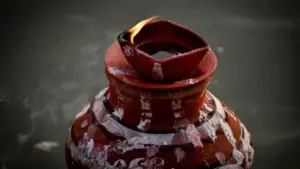
- The Journey with the Ashes: The urn containing the ashes (asthi kalash) is treated with utmost reverence. Families might share stories of the precautions taken during the journey, the prayers recited, and the collective sense of responsibility felt by those accompanying the ashes.
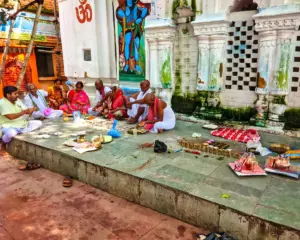
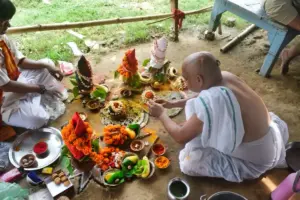
- Rituals at the Ghat: Upon reaching the sacred river, a pandit is engaged to perform the specific rites. These often involve prayers (mantras), offerings (pinda daan – offerings of rice balls, which may have already been done or are done alongside), and the final immersion. Local priests often have unique incantations or practices specific to their lineage or the particular ghat. Stories abound of how the water behaves differently at certain spots or how specific flowers offered float in a particular direction, interpreted as auspicious signs.
South Indian Customs: Traditions from the Deccan and Beyond
In South India, while rivers like the Godavari and Kaveri are significant, proximity to the coast also leads to Asthi Visarjan in the sea, particularly at powerful tirthas like Rameshwaram.
- Timing and Rituals: The timing for Asthi Sanchayan and Visarjan might differ. In some communities, the ashes are collected on the day after cremation itself or on the third day. The rituals accompanying the immersion might incorporate local deities and regional customs.
- Rameshwaram: A Confluence of Shaivite Power and Oceanic Grace: Rameshwaram, a major pilgrimage site, is considered extremely sacred for Asthi Visarjan. The confluence of the Bay of Bengal and the Indian Ocean (Agni Tirtham) is where the immersion often takes place. Oral histories here are rich with connections to the Ramayana, as it is believed Lord Rama himself worshipped Shiva here. Performing Asthi Visarjan at Rameshwaram is often narrated in family histories as a journey to seek Lord Shiva’s blessings for the departed soul’s liberation, with the powerful ocean currents symbolizing the merging of the individual soul with the cosmic consciousness.
- Local Priestly Traditions: South Indian priestly traditions have their unique Vedic recitations and ritualistic procedures. Stories are often shared about the specific efficacy of mantras chanted by learned priests in these regions, believed to have a direct impact on the soul’s journey.
Eastern and Western Ghats Traditions: Nature, Ancestors, and Community
In regions along the Eastern and Western Ghats, and among various tribal communities, Asthi Visarjan practices can be deeply intertwined with nature worship and ancestral veneration.
- Choosing the Waters: While major rivers are preferred if accessible, smaller local rivers, streams, or even specific sacred groves with water bodies might be chosen. The belief is often that the ancestral spirits reside in the local landscape, and immersing the ashes in these familiar waters keeps the departed connected to the community and the land.
- Oral Narratives of Ancestral Presence: Stories in these communities often emphasize the continued presence and guidance of ancestors. Asthi Visarjan is not just about release but also about integrating the departed into the collective ancestral spirit that watches over the community. Rituals might involve invoking local deities and nature spirits alongside the primary Hindu gods. There might be unique songs, chants, or dances associated with these rites, passed down orally, that narrate the community’s history and its relationship with the departed.
Echoes from the Past: Oral Histories and Local Legends Surrounding Asthi Visarjan
Beyond the regional variations in rituals, it is the oral histories and local legends that truly breathe life into the practice of Asthi Visarjan. These narratives are the unwritten scriptures of the common folk, shaping their understanding, faith, and emotional connection to the rite.
Stories of Miraculous Occurrences and Divine Signs
Across India, families and priests share accounts of seemingly miraculous events or divine signs experienced during or after Asthi Visarjan.
- Transformations in the Ashes: Some oral traditions speak of the ashes or bone fragments changing color or texture upon contact with sacred waters, interpreted as a sign of the soul’s purification and acceptance by the divine. For example, it is sometimes said that bones that haven’t fully burned will dissolve instantly in the Ganga at Kashi, a testament to the river’s power.
- Auspicious Omens: The appearance of certain birds (like a Garuda, the eagle mount of Vishnu), a sudden calm in turbulent waters, or the blooming of a flower offered into the river against the current are often narrated as auspicious omens. These stories, whether apocryphal or experienced, strengthen faith in the ritual’s efficacy.
- Dreams and Visions: Bereaved family members often report vivid dreams or visions of the departed after the Asthi Visarjan, where the deceased appears peaceful, content, and moving towards light. These personal experiences become part of the family’s oral history, providing comfort and validating the ritual’s importance for future generations. One often hears stories of a specific message or wish of the deceased being conveyed through such a dream, reinforcing the spiritual connection.
The Role of Local Deities and Guardians of Sacred Sites
Many sacred immersion sites have specific local deities or guardian spirits who are believed to oversee the rituals and protect the sanctity of the place.
- Kshetrapalas: These are guardian deities of a specific region or temple. Oral traditions often recount how appeasing the Kshetrapala of a tirtha before Asthi Visarjan ensures a smooth and unobstructed ritual. Stories might tell of mishaps that occurred when these local guardians were ignored.
- River Goddesses as Living Entities: The personification of rivers as goddesses is central. Local legends often depict these goddesses in very human-like terms, with specific moods, preferences, and interactions with devotees. Stories told by priests or elderly community members might describe how the River Ganga or Yamuna “responded” to a particularly devout family or a specific offering, perhaps with a gentle swell or a specific current pattern.
Ancestral Narratives and the Continuity of Family Lineage
Asthi Visarjan is a powerful act of remembrance and honoring ancestors (Pitaras). Oral histories within families play a crucial role in maintaining this connection.
- “Our Grandfather’s Ashes Rest Here”: Families often develop a deep connection to the specific spot where their ancestors’ ashes were immersed. This spot becomes a part of their sacred geography, a place of pilgrimage for future generations. Stories are retold of who performed the ritual for which ancestor, reinforcing the lineage and the continuity of familial duty.
- Fulfilling the Last Wish: Many oral histories revolve around the profound importance of fulfilling the deceased’s last wish regarding the site of their Asthi Visarjan. These stories often involve overcoming significant obstacles – financial, physical, or logistical – to honor that wish, highlighting the depth of love and commitment. The successful completion of such a task becomes a celebrated chapter in the family’s narrative.
The Keepers of Stories: Priests, Boatmen, and Community Elders
The vibrant tapestry of oral histories surrounding Asthi Visarjan is actively preserved and propagated by key figures within the community.
- Pandits and Purohits: Priests officiating at sacred tirthas are often repositories of countless stories. They have witnessed generations perform these rites and have heard innumerable personal accounts. Their narrations often blend scriptural knowledge with local legends and anecdotes, providing a rich and layered understanding of the ritual. They may recount stories specific to certain families or unusual occurrences they have witnessed over decades of service.
- Boatmen at Ghats: Boatmen who ferry families to the immersion spot, especially at places like Prayagraj or Kashi, are also storytellers. They share observations, local beliefs about specific currents or sacred points in the river, and tales passed down through their own families who have served at the ghats for generations.
- Community Elders: Within families and local communities, elders are the primary custodians of oral traditions. They narrate stories of how rituals were performed in the past, the significance of certain customs, and the experiences of their ancestors, ensuring that this intangible heritage is passed on.

The Emotional Landscape: Personal Accounts and Living Histories
Asthi Visarjan is not merely a ritual; it is a deeply emotional journey for the bereaved. The oral histories are often imbued with personal accounts of grief, remembrance, and the quest for closure.
Grief, Remembrance, and the Path to Closure
Performing Asthi Visarjan provides a structured way to channel grief and a tangible act of saying goodbye. Personal narratives often highlight the sense of peace and acceptance that follows the ritual.
- “A Weight Lifted”: Many share the feeling of a heavy burden being lifted from their shoulders after immersing the ashes. This common refrain in personal stories underscores the psychological and spiritual relief the ritual provides.
- Shared Experience and Community Support: The journey to perform Asthi Visarjan, often undertaken with family members, becomes a shared experience of mourning and mutual support. Stories of these journeys often focus on the bonding and collective remembrance that takes place.
The Journey of the Soul: Local Interpretations of Afterlife
While scriptures provide a framework, local beliefs often offer nuanced interpretations of the soul’s journey after Asthi Visarjan.
- Merging with Ancestors: In many communities, a strong belief exists that through proper Asthi Visarjan, the soul peacefully merges with the collective spirit of the ancestors, who then watch over and guide the living. Oral traditions might include tales of ancestors appearing in dreams to offer guidance or reassurance after their rites are completed.
- Rebirth and Liberation: The ultimate goal is moksha, but local beliefs might also emphasize a favorable rebirth if liberation is not immediately attained. Stories might recount how performing Asthi Visarjan at a particularly potent tirtha is believed to ensure the soul avoids lower realms and takes a good birth.
Modernity and Tradition: The Evolving Narrative of Asthi Visarjan
In an increasingly globalized and fast-paced world, the traditions surrounding Asthi Visarjan face both challenges and adaptations.
Challenges and Adaptations in Contemporary Times
- Logistical Constraints: For families living far from sacred rivers, especially those in the diaspora, performing Asthi Visarjan can be challenging. This has led to adaptations, such as designated sections in local water bodies abroad or services that help transport ashes to India. Oral histories are now evolving to include these new-age challenges and solutions.
- Environmental Concerns: There is growing awareness about river pollution. While Asthi Visarjan itself is not a major pollutant compared to industrial waste, there are discussions and initiatives promoting eco-friendly practices, such as using biodegradable urns and minimizing accompanying materials. These concerns are slowly becoming part of the contemporary narrative.
- Erosion of Oral Traditions?: With changing family structures and lifestyles, there is a potential risk of oral traditions diminishing. Younger generations may not always have the same exposure to these narratives.
Preserving Oral Histories in the Digital Age
However, technology also offers new avenues for preserving and sharing these stories.
- Digital Archives: Families and communities can use digital tools to record and archive oral histories, ensuring they are not lost. Online platforms can share these stories with a wider audience, fostering a greater appreciation for this intangible heritage.
- Connecting the Diaspora: For the Hindu diaspora, online resources and virtual communities provide ways to connect with their traditions and learn about practices like Asthi Visarjan, sometimes even sharing their adapted rituals and new oral histories born out of their unique contexts.
The Enduring Significance: Why These Beliefs and Stories Matter
The local beliefs and oral histories surrounding Asthi Visarjan are more than just quaint customs or folkloric tales. They are a vital part of India’s living spiritual heritage.
- Personal Connection: These narratives provide a personal and emotional connection to a ritual that can otherwise feel distant or purely scriptural. They make the sacred tangible and relatable.
- Community Identity: Regional variations and local stories strengthen community identity and foster a sense of shared heritage and belonging.
- Spiritual Comfort: In times of grief, these beliefs and stories offer profound spiritual comfort, reassurance, and a framework for understanding death and the afterlife. They reinforce the idea that death is not an absolute end but a transition, and that the living have a sacred role to play in facilitating that journey.
- Continuity of Tradition: The act of passing down these stories ensures the continuity of tradition, adapting it to changing times while preserving its core essence. They demonstrate the dynamic and evolving nature of Hindu practices.
A Final Immersion in Shared Narratives
Asthi Visarjan, at its heart, is an act of love, duty, and faith. It is a final service to the departed, a ritual imbued with the hope of peace for the soul and solace for the living. The myriad local beliefs and oral histories that envelop this sacred practice enrich it immeasurably, transforming it from a standardized rite into a deeply personal and culturally resonant experience. From the mighty Ganga to the smallest local stream deemed sacred, the waters of India carry not just ashes, but countless stories – stories of devotion, of remembrance, of inexplicable signs, and of the unbreakable bond between the living, the departed, and the divine.
These narratives are a testament to the enduring human need to find meaning in mortality, to honor ancestral legacies, and to seek connection with something larger than oneself. As generations continue to perform Asthi Visarjan, new stories will undoubtedly be woven into this ancient tapestry, ensuring that the echoes of the past continue to resonate in the practices of the future.
What are your family’s stories? The tradition of Asthi Visarjan is a shared heritage, kept alive not just by scriptures but by the personal experiences and narratives passed down through families like yours. We invite you to reflect on and share the beliefs and oral histories that surround this sacred ritual within your own community. By doing so, we collectively contribute to the preservation and understanding of this profound aspect of our cultural and spiritual identity. Consider learning more about the specific traditions of your ancestral region or discussing these important practices with the elders in your family. The stories they hold are precious threads in the vast, intricate fabric of our shared human experience with life, death, and remembrance.
🙏 Book Asthi Visarjan Package

Book Your Sacred Ritual
Authentic ceremonies performed by Veda-trained pandits at sacred sites across India.