Key Takeaways
- The shape of the process
- What usually goes wrong
- Planning the trip around the rites
In This Article
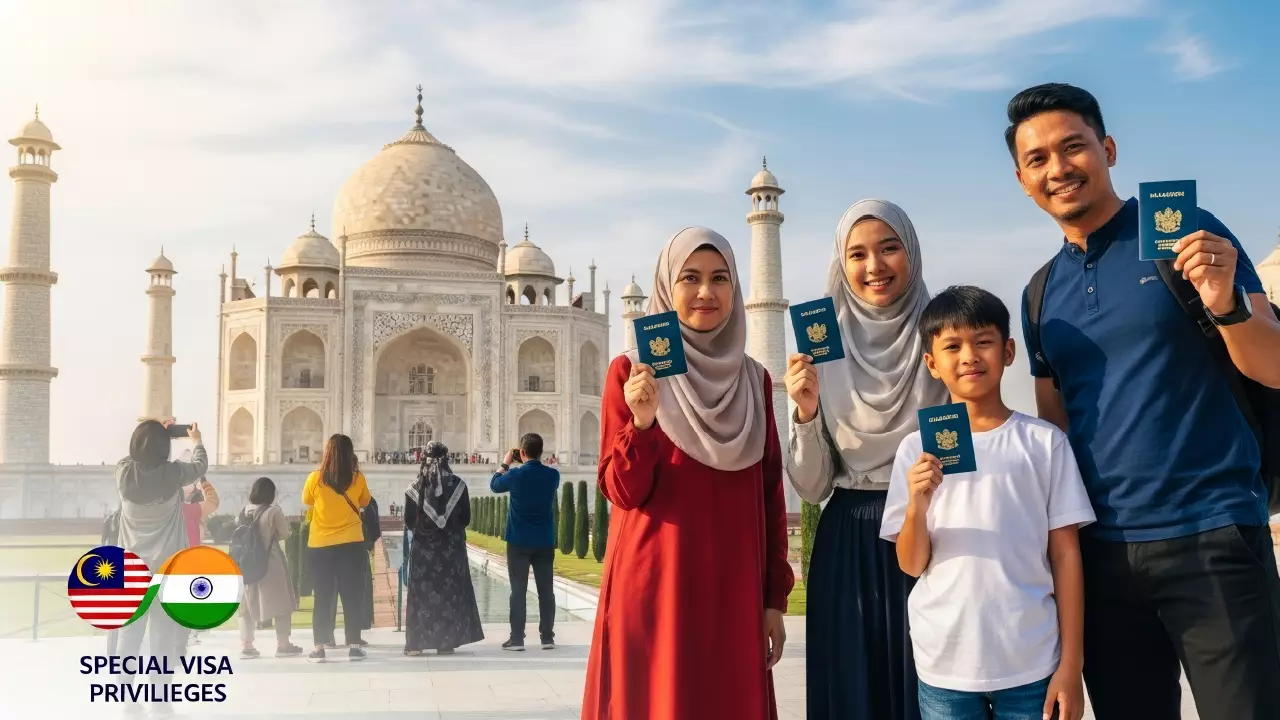
Malaysian passport holders travelling to India for a pilgrimage apply for a tourist visa, and in most cases the e-Visa is the route — applied for online, approved by email, presented on arrival. This page explains the shape of the process and points at the official sources. It deliberately avoids quoting fees, processing times and document lists, because those change and a stale list on a puja website is worse than none.
The shape of the process
- Check which visa you need. A pilgrimage is tourism for visa purposes. There are separate categories for business, medical treatment and conference attendance, and choosing the wrong one is the most common reason an application is refused.
- Apply online at indianvisaonline.gov.in, well ahead of travel. The e-Visa must be applied for a set number of days before arrival and the window is published on the site.
- Upload what is asked for — a passport scan and a photograph meeting the stated specification. The specification is strict and is the usual cause of rejection.
- Pay on the official site, by card.
- Wait for the approval by email, print it, and carry the printout as well as having it on your phone.
- Enter through a designated port. The e-Visa is only valid at listed airports and seaports, which is the detail most relevant to a pilgrimage — see below.
What usually goes wrong
- The photograph. The specification is strict — plain background, full face, no spectacle glare — and it is the single commonest cause of a rejected e-Visa application. Take it against a white wall rather than reusing a passport scan.
- Applying too late, or too early. The e-Visa has a window before travel, published on the official site. Outside it in either direction, the application fails.
- The wrong category. A pilgrimage is tourism. Choosing business or medical because it sounds closer to the purpose is how applications get refused.
- Name mismatches. The application must match the passport exactly, including the order of names and any initials. A difference that looks trivial is not treated as trivial.
- Booking flights first. Confirm the arrival airport is a designated e-Visa entry point, then book.
Planning the trip around the rites
Two things worth knowing before you fix dates. Pitru Paksha — late September into October, and in 2026 ending on 10 October — is when ancestral rites carry the most and also when the tirthas are at their most crowded. And a full rite takes longer than families expect: pind daan at Gaya runs a day, Narayan Bali runs three, and combining several at different cities needs a week.
If the visa or the travel is the obstacle, the rites can be performed in your name without anyone coming — see pind daan from Malaysia. And if you are coming, the budget breakdown sets out flights, stay and ceremony together.
🙏 Pind Daan at Gaya or the Triveni Sangam
- We will tell you how many days the rites need before you book flights
- All samagri, ghat booking and dakshina included — nothing added on the day
- Several rites sequenced on one trip rather than separate journeys
- Or performed in your name from Malaysia, with a live video link
Nothing on this page is immigration advice and none of it should be relied on over the official sites. If your case is unusual — a previous refusal, dual nationality, an OCI question — that is for the High Commission, not for us.
Book Your Sacred Ritual
Authentic ceremonies performed by Veda-trained pandits at sacred sites across India.