No rituals selected yet.
Browse Pooja Packages →Key Takeaways
In This Article
Badrinath – A Jewel in the Himalayas
Nestled in the heart of the Himalayas, Badrinath is more than just a pilgrimage site; it’s a spiritual journey that transcends time and space.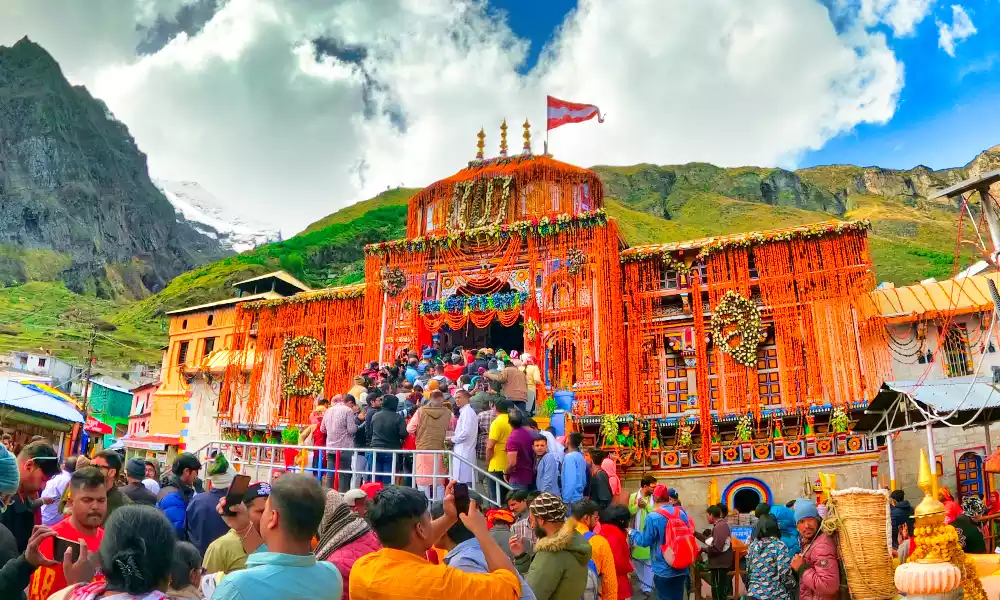 While its significance in the Char Dham Yatra is widely recognized, the unique celebration of Pitrupaksha remains a lesser-known treasure.
The Spiritual Significance of Pitrupaksha
Pitrupaksha, or the ‘Fortnight of Ancestors,’ is a time of deep reflection and reverence in the Hindu calendar. It’s a period dedicated to paying respects to departed souls, ensuring they find peace in the afterlife. This fortnight is marked by rituals, prayers, and offerings to ancestors.Badrinath: Beyond the Known
The Mythical Origins
According to legends, Lord Vishnu, in his quest for peace and solitude, chose Badrinath as his meditation spot. Protected by the Badri tree, he meditated here, giving the place its iconic name. Today, the temple stands as a symbol of this divine legend, drawing believers from all corners of the world.
The Temple’s Architectural Marvel
The Badrinath Temple is not just a place of worship; it’s an architectural masterpiece. Its intricate carvings narrate tales from ancient scriptures. However, during Pitrupaksha, the temple transforms. The energy is palpable, with devotees engrossed in age-old rituals that resonate with devotion.Pitrupaksha in Badrinath
Rituals Amidst the Snow-Capped Peaks
The majestic Himalayas provide a surreal backdrop for the Pitrupaksha rituals in Badrinath. The chilling winds, combined with the rhythmic temple bells and chants, create a celestial atmosphere, making the rituals even more profound.
The Local Flavor: Traditions and Delicacies
Badrinath is rich in traditions. From the mesmerizing morning aarti to the soulful evening prayers, each ritual is a chapter from the vast book of Hindu traditions. And as you immerse yourself in these traditions, don’t miss out on the local delicacies. These mountain-infused dishes offer a taste that’s as divine as the surroundings.The Mystical Tapt Kund
The Tapt Kund, a natural hot spring, is a significant spot for pilgrims. It’s believed that taking a dip in this spring purifies the soul, washing away sins. During Pitrupaksha, this ritual becomes even more significant as devotees cleanse themselves before connecting with their ancestors.
Personal Tales: Devotees and Their Experiences
Every pilgrim has a story. Some speak of visions, while others recount dreams or signs they believe were sent by their ancestors. Pitrupaksha in Badrinath is a deeply personal journey for many, bridging the gap between the past and the present.Conclusion: A Spiritual Odyssey in the Himalayas
Badrinath, with its myriad of secrets, promises an unparalleled Pitrupaksha experience. It’s not just about rituals; it’s about faith, memories, and an unbreakable bond with the divine. For those who embark on this journey, it’s a spiritual odyssey that remains etched in their souls forever.
Pitrupaksha
🙏 Book Pitrupaksha Pind Daan at Badrinath
Starting from
₹5,100
per person
- Complete Pitrupaksha ritual at Brahmakapal, one of the holiest sites for ancestral rites
- Experienced Vedic Purohits for Pind Daan, Tarpan and Brahman Bhoj
- Online poojan with live video call for families who cannot travel
- For online poojan, a full video recording is provided
Related Services by Prayag Pandits
- 🙏 Pind Daan at Badrinath / Brahmakapal — Starting from ₹11,000
- 🙏 Pind Daan in Brahmakapal Badrinath — Starting from ₹10,999
- 🙏 Online Pind Daan at Brahmakapal Badrinath — Starting from ₹10,999
Why Brahmakapal at Badrinath Is Unique for Pitrupaksha
While Gaya, Prayagraj, and Varanasi are the traditional “big three” for ancestral rites, Brahmakapal at Badrinath holds a distinction that none of them can claim: according to the Skanda Purana Kedar Khand, Pind Daan performed at Brahmakapal grants liberation to ancestors up to seven generations in both past and future. The Alaknanda River flowing past Brahmakapal is believed to carry offerings directly to Pitrulok without any intermediate stop.
The name Brahma Kapal (skull of Brahma) derives from the Puranic legend where Lord Vishnu, in his Narasimha avatar, severed the fifth head of Brahma here. The skull fell at this exact spot, making the ground eternally sacred for performing rites that address the deepest karmic debts between generations.
Pitrupaksha at Badrinath: What Makes It Different
The Himalayan Energy
Unlike the plains tirthas, Badrinath sits at 3,133 meters in the Garhwal Himalayas — one of the Char Dham sites. The Kedar Khand describes the entire Badrinath valley as a Tapobhumi (land of austerities) where the spiritual potency of rituals is multiplied by the Himalayan energy field. During Pitrupaksha, the combination of altitude, the Alaknanda glacier waters, and the ancient Vishnu temple creates a ritual environment unlike any other tirtha in India.
Rituals for Untimely Deaths
Brahmakapal is especially prescribed for performing Narayan Bali alongside Pind Daan for ancestors who died by Akal Mrityu (untimely death) — accident, violence, suicide, drowning, or snakebite. The Garuda Purana teaches that such souls are trapped in Antariksha (atmospheric space) and cannot receive normal Shradh offerings. Narayan Bali at Brahmakapal is one of the most effective rituals for liberating these trapped souls.
The 45 Sacred Spots (Gaya Vedi)
While often associated with Bihar’s Gaya, the concept of “Gaya Vedi” (sacred ritual platforms) extends to Brahmakapal. The area around the temple has multiple designated spots for different types of ancestral offerings. Experienced Dimri Brahmins (the hereditary priests of Badrinath) guide families through the specific sequence of rituals at each spot.
Planning Your Pitrupaksha Visit to Badrinath
When to Visit
Badrinath temple is open from May to November. Pitrupaksha 2026 falls on September 27 to October 11 — temple will be open. This is one of the last windows before the temple closes for winter. Weather is cold but clear, ideal for the pilgrimage.
How to Reach
Nearest airport: Jolly Grant, Dehradun (314 km). Nearest railway: Rishikesh or Haridwar. Road route: Haridwar → Rishikesh → Devprayag → Rudraprayag → Joshimath → Badrinath (330 km, 10-12 hours). Helicopter services available from Dehradun to Badrinath.
Accommodation
Options range from GMVN guest houses (Rs 500-2,000/night) to private hotels in Badrinath town (Rs 1,500-5,000/night). Book at least 2 weeks ahead during Pitrupaksha as demand spikes.
Book Brahmakapal Pind Daan with Prayag Pandits
- Basic Pind Daan at Brahmakapal (Rs 5,100) — Sankalpa + Pind Daan at the Brahma Kapal platform + Tarpan at Alaknanda River
- Standard Package (Rs 11,000) — Pind Daan + Narayan Bali + Tarpan + Navagraha Puja
- Premium Char Dham + Pind Daan (Rs 19,999) — Complete Badrinath package with 2 nights accommodation, pandit, all samagri, and guided darshan
- Online for NRIs (Rs 7,100) — Full Brahmakapal ceremony via live video call
Our Dimri Brahmins at Badrinath are experienced in the complete Kedar Khand ritual sequence. WhatsApp +91 77540 97777 to book.
Book Your Sacred Ritual
Authentic ceremonies performed by Veda-trained pandits at sacred sites across India.
2,263+ families served
Clear package details
Since 2019
