Key Takeaways
In This Article
Challenges Faced During Asthi Visarjan Varanasi, the ritualistic immersion of cremated remains (asthi) into holy waters, holds immense significance in Hinduism. Varanasi, also known as Kashi, is considered one of the most auspicious locations for this rite. The belief is that performing Asthi Visarjan in the Ganga at Varanasi ensures the departed soul attains moksha, or liberation from the endless cycle of birth and death. The city’s ancient ghats, steeped in spirituality, draw countless families each year who come to bid a final adieu to their loved ones in accordance with sacred traditions.
While the spiritual allure of Varanasi is undeniable, the practical execution of Asthi Visarjan here can present a complex web of challenges. From the moment a family decides to undertake this journey until the final rituals are completed, they may encounter hurdles that can add to their emotional burden.
Logistical Labyrinths: The Primary Hurdle

One of the most significant sets of challenges revolves around logistics, especially for families traveling from distant parts of India or abroad.
Transportation and Accommodation Woes
Varanasi is a bustling city, and reaching it with the sacred ashes (asthi kalash) requires careful planning.
- Travel Arrangements: Booking train or flight tickets, especially during peak religious seasons or festival times, can be difficult and expensive if not done well in advance. For those traveling by road, navigating the traffic and road conditions leading into the older parts of the city can be taxing.
- Local Conveyance: Upon arrival, getting around Varanasi, particularly to the ghats which are often located in congested areas with narrow lanes inaccessible to larger vehicles, is a challenge. Families might need to rely on auto-rickshaws or cycle-rickshaws, and negotiating fares can be an added stressor.
- Accommodation: Finding suitable and clean accommodation near the ghats or in easily accessible locations can be tough, especially for larger families or those on a tight budget. While options range from dharamshalas to hotels, pre-booking is highly advisable. The sheer volume of pilgrims and tourists means last-minute availability is often scarce or overpriced.
(Suggested Image: A crowded street scene in Varanasi leading to the ghats, with people and rickshaws. Alt Text: Navigating crowded lanes of Varanasi for Asthi Visarjan.)
Overcrowding at the Ghats: A Sea of Humanity
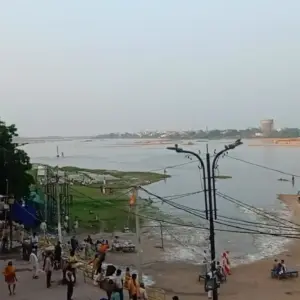
Varanasi’s ghats, particularly prominent ones like Manikarnika Ghat (the primary cremation ghat) and Dashashwamedh Ghat, are perpetually crowded. During auspicious periods, this crowding intensifies manifold.
- Finding Space and Peace: For a family in mourning, performing a solemn ritual amidst a throng of people, the noise of vendors, and the general hustle and bustle can be overwhelming and detract from the sanctity of the moment. Finding a quiet, clean spot to conduct the rituals requires patience and often the assistance of a knowledgeable local.
- Wait Times: Overcrowding can also lead to delays in performing the rituals, including hiring a boat for mid-river immersion or securing the services of a priest.
- Safety Concerns: In crowded conditions, especially with elderly members or children, concerns about safety, pickpocketing, and managing belongings become pertinent.
The Ritualistic Maze: Priests, Procedures, and Costs

Understanding and navigating the intricacies of the Asthi Visarjan rituals themselves can be a significant challenge, particularly for those unfamiliar with the specific customs of Varanasi.
Finding a Reliable and Knowledgeable Priest (Pandit)
The role of a priest or pandit is central to the Asthi Visarjan ceremony. However, identifying a genuine, knowledgeable, and ethical priest can be difficult.
- Authenticity and Expertise: Varanasi has numerous individuals claiming to be priests. Distinguishing those with true Vedic knowledge and experience from those merely looking to exploit grieving families is a major concern. Families often rely on word-of-mouth recommendations or references from their hometown priests.
- Language Barrier: For families from non-Hindi speaking regions or from overseas, communication with the priest regarding the rituals, their significance, and the dakshina (priest’s fee) can be challenging.
- Standardization of Rituals: There can be variations in the way rituals are performed by different priests. Understanding what is essential versus what is optional can be confusing for the uninitiated.
Understanding the Rituals and Their Sequence
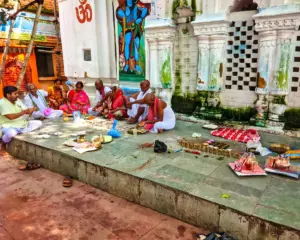
The Asthi Visarjan process involves several steps, including prayers (puja), sankalpa (ritual vow), tarpan (offerings to ancestors), and the actual immersion.
- Lack of Information: Many families arrive with limited knowledge of the precise procedures, making them entirely dependent on the priest. This can sometimes lead to the inclusion of unnecessary or costly additions to the ceremony.
- Duration of Rituals: The time taken for the rituals can vary, and families often have limited time, especially if they are on a short trip.
The Variable Cost of Rituals and Associated Services
The financial aspect of Asthi Visarjan in Varanasi is a significant concern for many families. Costs can be unpredictable and vary widely.
- Priest’s Dakshina: There is often no fixed rate for a priest’s services. The dakshina can depend on the priest’s reputation, the complexity of the rituals performed, and the family’s perceived ability to pay. Negotiation, especially during a time of grief, can be uncomfortable.
- Cost of Puja Materials (Samagri): While some priests include the cost of materials in their fee, others may ask the family to purchase them separately. The prices of these items can fluctuate.
- Boat Charges: Hiring a boat to go to the middle of the Ganges for the immersion is a standard practice. Boatmen may quote inflated prices, especially seeing distressed families.
- Unforeseen Expenses: There can be other miscellaneous expenses, such as charges for using specific spots on the ghats or for additional small rituals that families might not have budgeted for.
Scams and Exploitation: A Painful Reality
Unfortunately, the vulnerability of grieving families makes them targets for scams and exploitation in a high-traffic religious hub like Varanasi.
- Touts and Middlemen: Families are often approached by touts at railway stations, bus stands, or near ghats, promising to arrange everything at a low cost, but may lead them to inexperienced priests or inflate prices later.
- Inflated Charges: Being overcharged for services, puja items, or boat rides is a common complaint.
- Misleading Information: Some individuals might provide misleading information about the necessity of certain expensive rituals to extract more money.
- Pressure Tactics: Families might feel pressured into agreeing to services or costs they are uncomfortable with, given the emotional circumstances and the desire to perform the rites correctly.
Emotional and Psychological Toll on Grieving Families
Performing Asthi Visarjan is an emotionally charged experience. The existing grief, coupled with the challenges encountered in Varanasi, can significantly amplify the psychological stress.
Coping with Grief in an Unfamiliar and Chaotic Environment
Varanasi, with its intense atmosphere centered around life and death, can be overwhelming for those already coping with loss.
- Lack of Privacy: The public nature of the ghats and rituals means families often have to grieve openly, which can be difficult for many.
- Sensory Overload: The sights, sounds (including constant chanting, bells, and crowds), and smells associated with the ghats, including cremation fires at Manikarnika or Harishchandra Ghat, can be jarring and emotionally taxing.
- Physical Discomfort: The heat, humidity (especially in summer), long walks, and sometimes unhygienic conditions can add to physical discomfort, further impacting emotional well-being.
Distance and Detachment for NRIs and Distant Families
For Non-Resident Indians (NRIs) or families living far away, the challenges are compounded.
- Inability to Travel: Sometimes, due to visa issues, health reasons, professional commitments, or financial constraints, key family members may not be able to travel to Varanasi. This can lead to feelings of guilt and helplessness.
- Coordinating from Afar: Trying to make arrangements remotely is extremely difficult and often necessitates relying on third-party services, which come with their own set of risks and trust issues.
Environmental Concerns: The Sacred and The Strained
While the Ganges is revered as a holy mother, the environmental impact of rituals, including Asthi Visarjan, is a growing concern.
- River Pollution: The immersion of ashes, along with other ritualistic materials like flowers, plastic bags, and cloth, contributes to the pollution of the Ganges. While ashes themselves are natural, the accompanying non-biodegradable materials are problematic.
- Impact on Aquatic Life: Pollution affects the river’s ecosystem and the aquatic life it supports.
- Call for Sustainable Practices: There is an increasing awareness and call for more environmentally conscious ways to perform rituals, such as using biodegradable urns and minimizing the immersion of non-degradable items. However, the adoption of such practices is still slow.
Accessibility and Inclusivity Challenges
The ancient infrastructure of Varanasi, particularly its ghats, poses accessibility challenges.
- Difficult Terrain for Elderly and Disabled: The ghats consist of steep steps, uneven surfaces, and narrow passages, making them extremely difficult to navigate for elderly individuals, those with mobility issues, or people with disabilities.
- Lack of Amenities: The availability of clean public restrooms, seating areas, or first-aid facilities at many ghats is limited, which can be a significant inconvenience.
Government and Institutional Support: Gaps and Opportunities
While Varanasi is a major religious tourism and pilgrimage destination, the infrastructure and support systems for rituals like Asthi Visarjan can sometimes be inadequate or poorly managed.
- Regulation of Services: There is a need for better regulation of services provided by priests, boatmen, and other vendors to ensure fair pricing and prevent exploitation.
- Information Dissemination: Official, easily accessible information centers providing guidance on rituals, authentic priests, and standard costs could greatly help families.
- Infrastructure Development: While efforts have been made to clean the ghats and improve facilities under various government schemes, continuous improvement and maintenance are essential, especially considering the high footfall.
- Support for Greener Rituals: More proactive initiatives to promote and facilitate eco-friendly Asthi Visarjan practices are needed. Some organizations have started offering services like online Asthi Visarjan or facilitating rituals with an emphasis on sustainability, which is a positive step. For instance, the postal department, in collaboration with socio-religious platforms, has even offered services for ‘asthi visarjan’ via speed post for those unable to travel, with provisions for live webcasting.
Addressing the Challenges: Tips for a Smoother Asthi Visarjan in Varanasi

Despite the potential difficulties, families can take steps to mitigate challenges and ensure a more focused and spiritually fulfilling Asthi Visarjan experience:
Plan Meticulously and in Advance:
- Research: Gather as much information as possible about the rituals, trusted priests (perhaps through your local temple or community networks), and typical costs.
- Travel and Accommodation: Book travel and lodging well in advance, especially if traveling during peak season. Consider staying slightly away from the most congested ghat areas if peace and quiet are a priority, ensuring local transport is manageable.
- Documentation: If traveling from abroad with ashes, ensure all necessary documentation is in order.
Seek Reliable Local Assistance:
- Trusted Contacts: If you have trustworthy contacts in Varanasi, seek their guidance for finding reputable priests and navigating local logistics.
- Reputable Organizations: Several organizations and online platforms now offer Asthi Visarjan services. Vet them carefully by checking reviews, seeking testimonials, and understanding the scope of their services and all included costs. Ensure they are transparent.
Be Clear About Rituals and Costs:
- Discuss with the Priest: Before commencing any ritual, have a clear discussion with the priest about the procedures involved, the estimated duration, and the total dakshina and other charges. Don’t hesitate to ask questions.
- Written Agreement (If Possible): For comprehensive packages from service providers, a written breakdown of services and costs is advisable.
Managing Emotional Well-being:
- Travel with Support: If possible, travel with family members or friends who can provide emotional and practical support.
- Pace Yourself: Don’t try to rush through things. Allow time for rest and reflection.
- Focus on the Purpose: Amidst any chaos, try to remain focused on the spiritual significance of the ritual and the peace it is meant to bring to the departed soul and the family.
Be Aware and Cautious:
- Avoid Touts: Be wary of unsolicited offers of help, especially at transport hubs or ghat entrances.
- Secure Belongings: Keep your valuables secure, especially in crowded areas.
- Negotiate Respectfully: While negotiation might be necessary for services like boat rides, do so respectfully.
Consider Accessibility Needs:
- Assess Ghats: If traveling with elderly or disabled individuals, inquire about the accessibility of specific ghats. Some ghats might be relatively easier to access than others. Some services might offer assistance with palkis (palanquins) or wheelchairs, but this needs to be arranged in advance.
- Prioritize Comfort: Ensure their comfort and safety are paramount, even if it means adapting some aspects of the ritual.
Embrace Eco-Friendly Practices:
- Minimize Waste: Use biodegradable urns and puja materials where possible. Avoid immersing plastic or other non-degradable items in the river.
- Inquire about Green Options: Ask priests or service providers about options for more environmentally sensitive rituals.
The Enduring Sanctity of Kashi
Performing Asthi Visarjan in Varanasi is a sacred duty that carries profound spiritual weight. While the path may present challenges – logistical hurdles, the intensity of the environment, financial considerations, and emotional strains – the deep-rooted faith in the purifying power of the Ganges and the sanctity of Kashi continues to draw millions.
By being well-informed, planning diligently, seeking trustworthy assistance, and maintaining a mindful approach, families can navigate these difficulties with greater resilience. The ultimate aim is to honor the departed with love and reverence, find solace in the completion of sacred rites, and affirm the timeless spiritual connection that Varanasi embodies. The challenges, though real, can be overcome, allowing the core spiritual purpose of the journey to remain paramount, bringing peace to both the departed soul and the grieving family.
🙏 Book Asthi Visarjan Package

Frequently Asked Questions
How should the ashes be transported legally and respectfully while travelling to Varanasi?
Transporting ashes requires sensitivity and adherence to regulations:
- Respectful Handling: Always treat the urn containing ashes with utmost respect. Keep it securely wrapped and avoid placing it on the floor or in impure places.
- Air Travel: Airlines generally permit carrying cremated remains (ashes). You usually need to carry them in a security-friendly container (like wood, biodegradable material, or sometimes plastic, not metal, usually, as it needs to pass X-ray). Check specifically with your airline beforehand regarding their policy, documentation needed (usually a Death Certificate, Cremation Certificate), and packaging requirements. Often, they must be carried as cabin baggage.
- Train/Road Travel: Keep the urn securely packed and carry necessary documents (Death Certificate, Cremation Certificate) in case of any checks. Maintain its sanctity during the journey.
Can foreigners or people of faiths other than Hinduism perform or witness Asthi Visarjan in Varanasi?
Performing: Asthi Visarjan is fundamentally a Hindu ritual tied to beliefs about the soul, reincarnation, and Moksha through the Ganga. While the core act might be performed by anyone with faith, the accompanying Vedic rituals and mantras are specific to Hindu tradition, usually performed by family members or designated priests. If a deceased person of another faith wished for their ashes to be immersed in Ganga out of personal reverence, it can be done respectfully, perhaps with simpler prayers according to their belief or universal prayers for peace, possibly without the full Vedic rites.
Witnessing: Foreigners and people of other faiths can generally witness the ritual from a respectful distance at most public ghats. However, sensitivity is crucial. Avoid intrusive photography, maintain silence, and respect the family's privacy during their solemn moment. At cremation ghats like Manikarnika, while observation is often permitted, extreme sensitivity and unobtrusiveness are expected.
What should be done if the urn or ashes are accidentally dropped or mishandled during travel or before the ritual?
Accidents can happen, my child. If such an unfortunate incident occurs:
- Remain Calm: Do not panic.
- Collect Respectfully: Gather the ashes as completely and respectfully as possible. If spilled on clean ground, collect the ashes along with a small amount of the soil.
- Purification: Inform the Pandit upon arrival in Varanasi. They can perform specific purification mantras (Prayashchit) before proceeding with the Visarjan to remedy any inadvertent disrespect or contamination.
- The intention (Bhavana) remains most important. The deities understand human fallibility.
Are there specific things one should not wear or bring to the Asthi Visarjan ritual?
Simplicity and purity are key:
- Clothing: Avoid black clothing, as it's often considered inauspicious for such rites. Also avoid overly bright, flashy, or revealing attire. Stick to simple, clean clothes, preferably white, off-white, or light, sober colors. Leather items (belts, wallets, shoes) are often discouraged during the core ritual; remove them if possible.
- Items: Avoid bringing unnecessary distractions like excessive electronics, food items (unless for offering/Daan), or valuables that might cause anxiety. Focus should be on the ritual. Maintain physical and mental purity – avoid alcohol or non-vegetarian food before the ritual.
Is photography or videography appropriate during the Asthi Visarjan ritual?
This is a sensitive matter. While families may wish to document this final rite, it should be done with utmost discretion and respect:
- Focus on Ritual, Not Spectacle: The primary focus must remain on the prayers and the departed soul, not on getting perfect shots.
- Ask Permission: If involving others (like the Pandit or boatman) in photos, seek their permission.
- Avoid Intrusion: Do not obstruct the ritual process or disturb the solemn atmosphere with excessive photography/videography. Be mindful of other grieving families nearby.
- Live Streaming: If considering live streaming for relatives unable to attend, ensure it's done unobtrusively and focuses respectfully on the rites.
- Generally, minimal and discreet recording for personal memory is acceptable, but turning it into a photo session is inappropriate.
What safety precautions should be taken while performing the ritual at the ghats or in the river?
Safety is important amidst devotion:
- Ghat Steps: Be very careful on the ghat steps, which can be steep, uneven, and slippery, especially during or after rains or near the water's edge. Hold onto railings if available, or take assistance.
- River Currents: Maa Ganga's currents can be strong, even near the banks. Do not venture deep into the water unless you are a strong swimmer and familiar with the conditions. For the ritual bath (Snan), stay in shallow areas or use the safety chains often installed at major ghats.
- Boat Safety: If taking a boat for mid-stream immersion, ensure it is not overloaded and follow the boatman's instructions. Life jackets might be available or advisable, especially for children/non-swimmers.
- Crowds: Be mindful of your surroundings and belongings, especially at crowded ghats like Dashashwamedh or Manikarnika.
- Health: Stay hydrated, especially in summer. Be cautious about hygiene.
Can Asthi Visarjan be performed in Varanasi if the cremation was done elsewhere?
Yes. If cremation took place in your home city, the ashes can be collected in a clean urn and brought to Varanasi for immersion in the Ganga at Manikarnika, Harishchandra, or another accepted ghat. Per the Garuda Purana, if the urn is kept pure during transport (hung on a tree, not placed on the ground, protected from impurities), the immersion at Kashi carries the full spiritual merit. Our pandits assist families arriving by train or flight with: ghat selection, boat arrangements, the complete Asthi Visarjan vidhi, and the Sanskrit mantras "Namo Astu Dharmaya" (at entry) and "Sa me Prito Bhavatu" (during immersion). The ceremony typically takes 2-3 hours and can be scheduled on the same day as arrival.
What is the estimated cost involved for Asthi Visarjan in Varanasi?
- The cost is not fixed and depends mainly on:
- Pandit's Dakshina: This is the main component and varies based on the Pandit.
- Samagri Cost: Usually quite minimal.
- Boat Charges: Applicable only if you hire a boat for immersion in the mid-stream (can range from ₹500 to ₹1500 or more depending on duration and boat type).
- A very approximate range for a simple Asthi Visarjan at the Ghat including Pandit Dakshina and basic Samagri could be ₹1500 to ₹4000. For rituals involving a boat ride, the cost would be higher.
- It is essential to have a clear conversation about all expected costs (Pandit fee, Samagri, boat if applicable)
Book Your Sacred Ritual
Authentic ceremonies performed by Veda-trained pandits with video proof at sacred sites across India.