Key Takeaways
In This Article
nfwplus domain was triggered too early. This is usually an indicator for some code in the plugin or theme running too early. Translations should be loaded at the init action or later. Please see Debugging in WordPress for more information. (This message was added in version 6.7.0.) in /home/admin/domains/prayagpandits.com/public_html/wp-includes/functions.php on line 6131
Notice: Function _load_textdomain_just_in_time was called incorrectly. Translation loading for the health-check domain was triggered too early. This is usually an indicator for some code in the plugin or theme running too early. Translations should be loaded at the init action or later. Please see Debugging in WordPress for more information. (This message was added in version 6.7.0.) in /home/admin/domains/prayagpandits.com/public_html/wp-includes/functions.php on line 6131Introduction – Key Locations for Pitrupaksha 2026
Pitrupaksha, also known as Shraddha Paksha, is a deeply revered period in the Hindu calendar dedicated to paying homage to one’s ancestors. Spanning 16 days in the lunar month of Bhadrapada, this time is marked by various rituals and ceremonies aimed at honouring and appeasing the souls of departed forebears. The belief is that performing these rites helps to ensure peace for the souls of the deceased and brings blessings to their descendants.
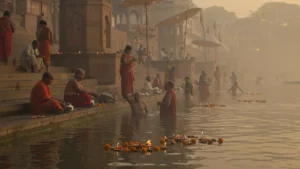
Pind Daan in Gaya – Key Locations for Pitrupaksha 2026″ width=”600″ height=”400″ />The significance of Pitrupaksha lies in the concept of filial duty and respect for ancestors. According to Hindu tradition, it is believed that the souls of three preceding generations of one’s ancestors reside in Pitru-loka, a realm between heaven and earth, governed by Yama, the god of death. During Pitrupaksha, these souls are granted permission to return to the earth and receive oblations from their descendants. By performing these rituals, families express their gratitude and seek forgiveness for any unfulfilled duties towards their ancestors.Conducting Pitrupaksha rituals at sacred locations enhances their spiritual efficacy. Various places across India are renowned for their association with ancestor worship and are considered highly auspicious for performing these rites. These locations are often linked with ancient legends and are believed to possess powerful spiritual energy that can help in the proper conveyance of offerings to the ancestors. Visiting these sacred sites and performing rituals like Pind Daan, Shradh, and Tarpan can provide a sense of spiritual fulfilment and peace.In this article, we will explore some of the key locations where you can perform Pitrupaksha rituals in 2026. From the ancient city of Gaya in Bihar to the holy confluence at Prayagraj, each site holds unique religious significance and offers a profound experience for those seeking to honour their ancestors.Gaya, Bihar
Gaya, located in the state of Bihar, is one of the most important sites for performing Pitrupaksha rituals. This ancient city holds immense religious significance and is mentioned in various Hindu scriptures as a sacred place for ancestor worship.- Historical and Religious Significance: Gaya is believed to be the site where Lord Vishnu’s footprint is imprinted, at the Vishnupad Temple. According to Hindu mythology, Lord Rama and his wife Sita performed the Pind Daan ceremony for his father, King Dasharatha, at Gaya. This act set a precedent for Hindus to perform similar rites for their ancestors at this sacred location.
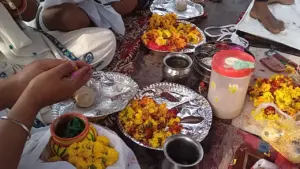
- Main Rituals and Ceremonies Performed: The primary rituals performed in Gaya during Pitrupaksha include Pind Daan, Tarpan, and Shradh. Pind Daan involves offering rice balls (pindas) to the ancestors, symbolizing the nourishment of their souls. Tarpan is the offering of water mixed with sesame seeds, barley, and kusa grass, which is believed to satiate the thirst of the departed souls. Shradh is a comprehensive ritual that includes various offerings and prayers to honour and appease the ancestors.

Key Sites:
- Vishnupad Temple: This temple is the focal point of Pitrupaksha rituals in Gaya. The temple enshrines a footprint of Lord Vishnu, and devotees believe that performing Pind Daan here ensures the liberation of their ancestors’ souls.
- Falgu River: The Falgu River, also known as the Niranjana River, flows through Gaya and is considered sacred. Pilgrims perform various rites along the banks of this river. It is believed that the offerings made here reach the ancestors directly.
- Akshaya Vat: A sacred fig tree located near the Vishnupad Temple, where devotees perform rituals seeking the eternal blessings of their ancestors. The tree is considered indestructible and holds significant spiritual value.
Varanasi, Uttar Pradesh
Varanasi, also known as Kashi or Benares, is one of the oldest living cities in the world and holds a paramount place in Hindu spirituality. Situated on the banks of the sacred Ganges River, Varanasi is often referred to as the spiritual capital of India. It is believed that performing rituals in Varanasi can liberate souls from the cycle of rebirth and grant them moksha (salvation).- Spiritual Importance in Hinduism: Varanasi is considered the abode of Lord Shiva and Parvati. The city is mentioned in numerous Hindu scriptures and epics. It is believed that dying in Varanasi and having one’s ashes immersed in the Ganges River can lead to liberation from the cycle of life and death.
- Rituals along the Ganges River: The ghats of Varanasi are the epicentres of religious activities, especially during Pitrupaksha. Performing Pind Daan, Tarpan, and other Shradh rituals along the Ganges is considered highly auspicious. The river, revered as the goddess Ganga, is believed to purify and carry the offerings directly to the ancestors.

Key Sites:
- Kashi Vishwanath Temple: One of the twelve Jyotirlingas, this temple is dedicated to Lord Shiva and is a major pilgrimage site. Devotees believe that offering prayers here during Pitrupaksha can help ancestors attain peace.
- Manikarnika Ghat: This is one of the holiest cremation grounds in Varanasi. Rituals performed here, including the immersion of ashes and Pind Daan, are believed to provide moksha to the departed souls.
- Dashashwamedh Ghat: Known for its evening Ganga Aarti, this ghat is a spiritual hub where many perform Shradh rituals during Pitrupaksha. The aarti itself is a mesmerizing sight, attracting devotees and tourists alike.
Haridwar, Uttarakhand
Haridwar, one of the seven holiest places (Sapta Puri) in Hinduism, is a prime destination for performing Pitrupaksha rituals. Located on the banks of the sacred Ganges River, Haridwar is a gateway to the four pilgrimages of Uttarakhand (Char Dham) and is a significant site for various Hindu rites and ceremonies.- Role in Hindu Rituals and Festivals: Haridwar, meaning “Gateway to God,” is steeped in religious significance. It is mentioned in ancient texts and is known for its role in Hindu rituals, particularly those involving the worship of ancestors. The city hosts the Kumbh Mela, a massive religious gathering that occurs every twelve years, attracting millions of pilgrims.
- Ceremonies at Har Ki Pauri: Har Ki Pauri, meaning “Steps of Lord Shiva,” is the most famous ghat in Haridwar and is believed to be the place where the Ganges exits the mountains and enters the plains. This ghat is particularly significant for Pitrupaksha rituals. Pilgrims perform Pind Daan, Tarpan, and Shradh ceremonies here, believing that the sacred waters of the Ganges will carry their offerings to their ancestors and help liberate their souls. The evening Ganga Aarti at Har Ki Pauri is a spectacular ritual where priests perform synchronized worship of the river, attracting devotees and tourists alike.

Key Sites:
- Chandi Devi Temple: Situated atop the Neel Parvat on the eastern bank of the Ganges River, this temple is dedicated to Goddess Chandi Devi. It is believed that a visit to this temple helps in seeking the blessings of the goddess for the peace of one’s ancestors.
- Mansa Devi Temple: Located on the Bilwa Parvat, this temple is dedicated to Goddess Mansa Devi. Devotees believe that their wishes are granted by the goddess, and visiting the temple during Pitrupaksha can bring blessings for both the living and the departed souls.
- Kankhal: A small town near Haridwar, Kankhal is home to Daksha Mahadev Temple and is another important site for performing ancestor-related rituals. According to mythology, King Daksha Prajapati, the father of Goddess Sati, performed a yajna (sacrifice) here, making it a significant site for Pind Daan and Shradh.
Prayagraj (Allahabad), Uttar Pradesh
Prayagraj, historically known as Allahabad, is a city of immense religious significance located in the state of Uttar Pradesh. It is renowned for the Triveni Sangam, the sacred confluence of three rivers: the Ganges, the Yamuna, and the mythical Saraswati. This confluence is considered one of the holiest places in Hinduism and is a prime location for performing Pitrupaksha rituals.- Confluence of Ganges, Yamuna, and Saraswati Rivers: The Triveni Sangam is a place where the earthly realms of three sacred rivers converge, creating a potent spiritual atmosphere. It is believed that the Saraswati, although invisible, flows beneath the surface and joins the Ganges and Yamuna at this point. This convergence represents the merging of physical and spiritual elements, making it an ideal site for ancestor worship.
- Significance of the Sangam for Pitrupaksha Rituals: The Sangam is particularly significant during Pitrupaksha, as it is believed that offerings made here are directly received by the ancestors. Performing Pind Daan, Tarpan, and Shradh at the Sangam is thought to absolve the sins of ancestors and grant them peace. The waters of the Ganges and Yamuna are revered for their purifying properties, which are said to enhance the efficacy of the rituals performed here.

Key Sites:
- Triveni Sangam: The main site for performing rituals, the Sangam is a bustling place during Pitrupaksha. Pilgrims from all over the country gather here to offer pindas (rice balls) and perform Tarpan (offering of water) for their ancestors. The serene and spiritually charged atmosphere of the Sangam provides a perfect setting for these rites.
- Allahabad Fort: Built by Emperor Akbar, the fort stands near the confluence and houses the ancient Patalpuri Temple and the immortal banyan tree known as Akshaya Vat. The fort’s historical and religious significance adds to the spiritual ambience of Prayagraj.
- Anand Bhavan: Although not directly related to Pitrupaksha rituals, Anand Bhavan is a significant historical landmark in Prayagraj. It was the ancestral home of the Nehru-Gandhi family and is now a museum showcasing the legacy of India’s struggle for independence. Visiting this site can provide a deeper understanding of the city’s rich cultural heritage.
Rameswaram, Tamil Nadu
Rameswaram, a small island town in Tamil Nadu, is one of the holiest pilgrimage sites in India. It is situated in the Gulf of Mannar, at the tip of the Indian peninsula. This town is part of the Char Dham (four abodes) pilgrimage and holds immense significance for performing Pitrupaksha rituals due to its strong association with the epic Ramayana and its spiritual legacy.- Southern Pilgrimage Destination: Rameswaram is renowned for its connection to Lord Rama. According to Hindu mythology, Lord Rama built a bridge (Rama Setu) from Rameswaram to Lanka to rescue his wife Sita from the demon king Ravana. This historical and mythological significance makes Rameswaram a sacred place for Hindus, attracting pilgrims from all over the world.
- Rituals at Agni Theertham and Ramanathaswamy Temple:
- Agni Theertham: This is one of the 64 sacred baths (Theerthams) in Rameswaram and is located in front of the Ramanathaswamy Temple. Devotees take a holy dip in the waters of Agni Theertham before performing any rituals, believing that it purifies them of their sins. During Pitrupaksha, performing Tarpan (offering of water) and Pind Daan at Agni Theertham is considered highly auspicious as it is believed that the holy waters carry the offerings directly to the ancestors.
- Ramanathaswamy Temple: This temple is dedicated to Lord Shiva and is one of the twelve Jyotirlingas. It is said that Lord Rama worshipped Lord Shiva here to absolve himself of the sin of killing Ravana, who was a Brahmin. The temple’s intricate architecture and spiritual ambience make it a significant place for performing Shradh rituals. Devotees believe that conducting Pind Daan and other rites within the temple premises can bring peace and liberation to the souls of their ancestors.
- Significance in Ramayana: Rameswaram’s prominence in the Ramayana adds to its spiritual importance. It is believed that after Lord Rama defeated Ravana, he performed rituals to atone for the sins committed during the war, including the killing of Ravana. This act of penance is seen as an essential aspect of Hindu dharma, highlighting the importance of ancestor worship and seeking forgiveness for one’s actions.
Rameswaram’s rich mythological history, sacred temples, and the serene Agni Theertham make it a pivotal location for Pitrupaksha rituals. The town’s tranquil environment and religious significance provide a profound spiritual experience for those wishing to honour their ancestors.Ujjain, Madhya Pradesh
Ujjain, located in the central Indian state of Madhya Pradesh, is one of the seven sacred cities (Sapta Puri) in Hinduism and holds a significant place in Hindu mythology and spirituality. This ancient city is known for its historical temples and its connection to various religious rituals and festivals.- One of the Seven Sacred Cities (Sapta Puri): Ujjain is considered one of the holiest cities in India and is part of the Sapta Puri pilgrimage. The city’s spiritual significance dates back to ancient times, and it is mentioned in numerous Hindu texts and scriptures. Ujjain is believed to be the city where Lord Krishna studied under the guidance of Guru Sandipani.
- Rituals at the Shipra River: The Shipra River, which flows through Ujjain, is considered sacred and is a prime location for performing Pitrupaksha rituals. During Pitrupaksha, pilgrims gather along the banks of the Shipra River to perform Pind Daan, Tarpan, and Shradh ceremonies. It is believed that the sacred waters of the Shipra River help convey the offerings to the ancestors and grant them peace and liberation.

Key Sites:
- Mahakaleshwar Temple: This temple is one of the twelve Jyotirlingas and is dedicated to Lord Shiva. The temple is renowned for its Bhasma Aarti, a unique ritual where Lord Shiva is worshipped with sacred ash. Performing Pitrupaksha rituals at the Mahakaleshwar Temple is considered highly auspicious, as it is believed that Lord Shiva himself blesses the departed souls.
- Harsiddhi Temple: This temple is dedicated to Goddess Harsiddhi, an incarnation of Goddess Parvati. The temple’s significance lies in its powerful spiritual aura, and it is believed that performing rituals here can help in seeking the blessings of the goddess for the peace of one’s ancestors.
- Kal Bhairav Temple: This temple is dedicated to Kal Bhairav, a fierce form of Lord Shiva. Devotees offer liquor to the deity as part of the rituals, and it is believed that Kal Bhairav protects the city and its inhabitants. Performing Shradh rituals at this temple is considered beneficial for seeking forgiveness for past sins and ensuring the well-being of ancestors’ souls.
Conclusion – Key Locations for Pitrupaksha 2026
The journey through these sacred locations for Pitrupaksha rituals in 2026 highlights the profound connection between geography, spirituality, and ancestral reverence in Hindu culture. Each of these cities—Gaya, Varanasi, Haridwar, Prayagraj, Rameswaram, and Ujjain—offers a unique spiritual ambience enriched by centuries of religious practice and tradition. By performing Pitrupaksha rituals at these sites, devotees not only honour their ancestors but also partake in a deeply transformative spiritual experience.- Gaya stands out with its ancient Vishnupad Temple and the sacred Falgu River, making it an unparalleled destination for Pind Daan.
- Varanasi, with its sacred Ganges River and the iconic Kashi Vishwanath Temple, provides a powerful setting for rituals aimed at attaining moksha for departed souls.
- Haridwar offers the purifying waters of the Ganges at Har Ki Pauri, where rituals are conducted amidst a vibrant religious atmosphere.
- Prayagraj is home to the Triveni Sangam, a confluence that carries immense spiritual significance and is ideal for ancestral rites.
- Rameswaram provides the serene waters of Agni Theertham and the divine presence of the Ramanathaswamy Temple, deeply connected to the Ramayana.
- Ujjain boasts the sacred Shipra River and the revered Mahakaleshwar Temple, making it a vital location for honouring ancestors.
As you plan your journey for Pitrupaksha 2026, remember that the spiritual significance of these rituals is greatly enhanced by the sanctity of the location. The act of travelling to these holy places and performing the rituals with devotion and sincerity can lead to a deeply fulfilling and transformative experience.If you are looking to perform Pitrupaksha rituals such as Pind Daan, Shradh, and Tarpan at these key locations, consider using the services of Prayag Pandits. They offer comprehensive poojan services to ensure that your rituals are conducted with the utmost reverence and authenticity. With their expertise and commitment to tradition, Prayag Pandits can help you navigate the complexities of these ancient rites and make your spiritual journey fulfilling and hassle-free. Visit their website to book your services and embark on a meaningful journey to honour your ancestors during Pitrupaksha 2026.🙏 Book Your Pind Daan / Shradh Package
Frequently Asked Questions
When is Pitrupaksha 2026 and which day should I perform Shradh?
Pitrupaksha 2026 runs from September 26 to October 10, 2026. Ideally perform Shradh on the tithi matching your ancestor departure date. Sarva Pitru Amavasya on October 10 is the universal day when all ancestors can be honoured regardless of their departure tithi — the busiest and most auspicious single day of the fortnight.
Why is Prayagraj particularly important for Sarva Pitru Amavasya Shraddha?
Prayagraj is uniquely suited for Sarva Pitru Amavasya because of the Triveni Sangam — the confluence of Ganga, Yamuna, and the mystical Saraswati. Scriptures state that offerings made at a Sangam (river confluence) carry seven times the merit of offerings made at a single river. Additionally, Prayagraj is one of the few tirthas where the Pitri Sukta mantra resonates through all three rivers simultaneously, reaching ancestors in all three loka realms. Maha Kumbh Mela has been held at Prayagraj precisely because of this cosmic confluence. Performing Sarva Pitru Amavasya Shraddha at Arail Ghat or Sangam Bhata during the Aparahna Kaal is considered one of the most spiritually powerful acts a descendant can perform.
Why is Varanasi considered the most auspicious place for performing Shradh?
Kashi is no ordinary city. It is the city of Lord Shiva, the Moksha-Dayini Nagari (city that grants liberation). Performing Shradh here, especially Pind Daan on the banks of Maa Ganga, is believed to grant ultimate peace (Sadgati) and liberation (Moksha) to the departed souls. It is said that ancestors receive immense satisfaction when their descendants perform these rites in Kashi, helping them ascend peacefully to higher realms or even break the cycle of rebirth.The energy of this place, combined with the purity of the Ganga, amplifies the merit of the ritual manifold.
Why is Prayagraj considered a significant place for Shradh?
Prayagraj is revered as the Tirtharaj, the king among all pilgrimage sites. The confluence of the three sacred rivers – Ganga, Yamuna, and the subterranean Saraswati – creates an unparalleled spiritual energy here at the Triveni Sangam. Performing Shradh, especially Pind Daan and Tarpan, at this Sangam is believed to multiply the merit manifold. The Puranas state that offerings made here reach the ancestors directly and grant them immense satisfaction, helping them attain higher realms or liberation (Moksha). Lord Brahma himself performed the first Yagna here, consecrating this land
Why is Gaya considered the most important place for Tarpan?
Gaya's paramount importance stems from Hindu mythology, particularly the story of Gayasur, a pious demon. Lord Vishnu subdued him by placing his foot on his chest, transforming him into the sacred landscape of Gaya. Gayasur was granted a boon that anyone performing ancestral rites like Pind Daan and Tarpan here would ensure the liberation of their ancestors. Lord Vishnu's presence (as Pitrudev) and the historical performance of rites by figures like Lord Rama make Gaya uniquely potent for Tarpan
Is it necessary to come to Prayagraj for Sarva Pitru Amavasya, or can it be done at home?
Home-based Sarva Pitru Amavasya rites are valid and honoured in the tradition. However, the scriptures promise that the same ceremony performed at Prayagraj's Triveni Sangam generates immeasurably greater merit. The Padma Purana states that Pind Daan at the Triveni Sangam on this day liberates ancestors across seven generations simultaneously. For families who cannot travel, our remote ceremony service replicates the full benefit of Prayagraj Pind Daan through a Sankalpa made in your name.
Can Pind Daan be done at Badrinath only during Pitrupaksha?
No — Pind Daan at Brahmakapal in Badrinath can be performed any time during the pilgrimage season (May to November, when Badrinath is accessible). Pitrupaksha is the most auspicious window, but families who cannot visit during Pitrupaksha can still access the full spiritual benefit of Brahmakapal Pind Daan on any day during the open season.
How do NRIs perform Pind Daan if they cannot travel to India?
Prayag Pandits offers a remote Pind Daan service where our experienced pandits perform the complete ceremony at Prayagraj's Triveni Sangam on behalf of NRI families. The Sankalpa includes the family name, gotra, and specific ancestors' names — establishing the full spiritual connection. A video of the ceremony is sent. This service has been used by hundreds of NRI families in the USA, UK, Canada, Australia, Singapore, and Malaysia.
Book Your Sacred Ritual
Authentic ceremonies performed by Veda-trained pandits with video proof at sacred sites across India.